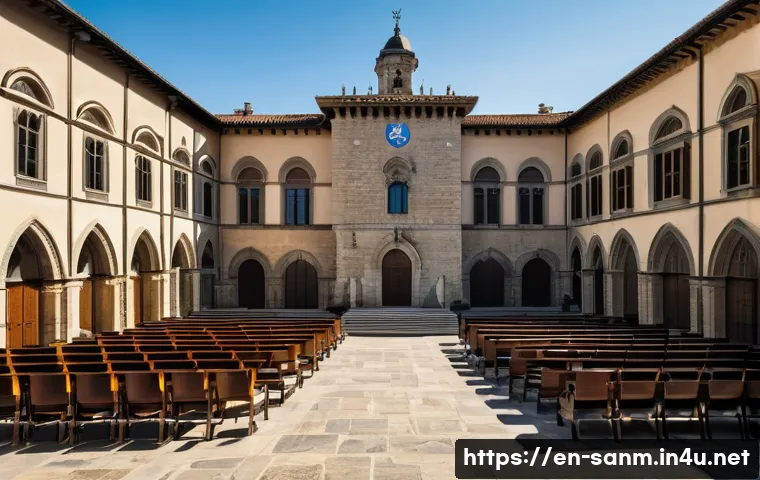
You know, when I first planned my trip to San Marino, I totally fell into the common trap of thinking it would just be “mini-Italy.” After all, it’s completely surrounded by the country, right?
I pictured endless pasta, passionate hand gestures, and a lot of familiar charm. But let me tell you, what I discovered was a truly unique microstate with a distinct heartbeat and a cultural tapestry all its own!
While you’ll certainly find echoes of Italian influence, San Marino has beautifully preserved its ancient traditions, fiercely independent spirit, and a quiet dignity that sets it apart.
It’s like stepping into a living fairytale, where history whispers from every stone and the locals, the Sammarinese, hold onto their identity with immense pride.
If you’re a curious traveler eager to uncover the subtle yet profound differences that make this tiny republic such a fascinating destination, you’re in for an absolute treat.
Let’s explore the captivating distinctions that separate this historic gem from its vibrant Italian neighbor!
Echoes of an Enduring Republic: A Journey Through Time
Unraveling San Marino’s Ancient Governance
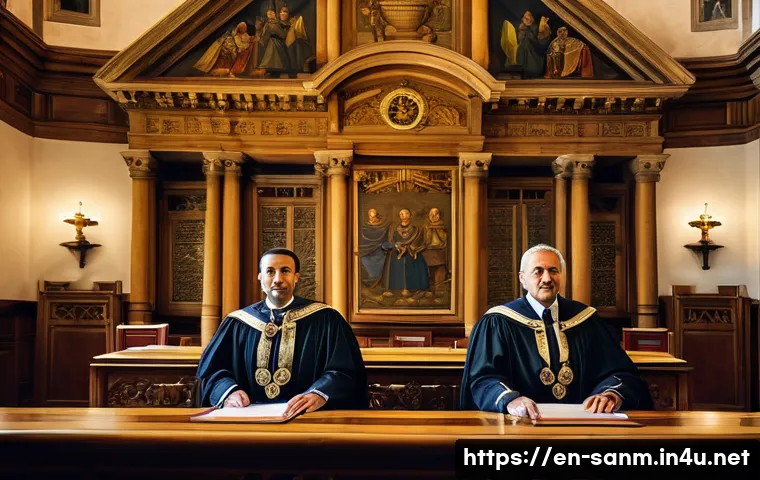
My very first brush with San Marino’s true distinctiveness hit me when I started looking into its governmental structure. Forget presidential or parliamentary systems as we typically know them; San Marino operates under a unique system led by two Captains Regent, who serve just six-month terms.
It’s a tradition that dates back to the 4th century and truly embodies their commitment to democratic principles and preventing any single person from holding too much power.
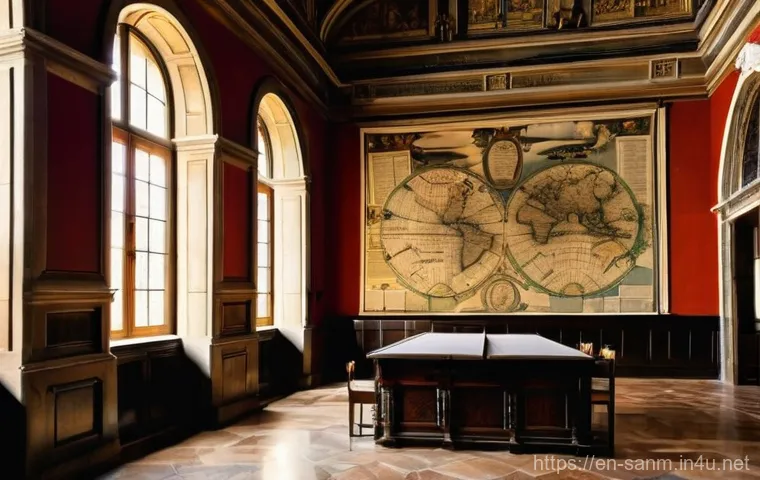
I remember visiting the Palazzo Pubblico, the government building, and feeling a profound sense of history in the air. The idea of two heads of state, elected twice a year, just blew my mind – it’s such a tangible link to their ancient past and a clear departure from Italy’s unified republic.
This system isn’t just a historical curiosity; it’s a living, breathing part of their national identity that defines their independent spirit. It makes you realize that while they share a border, their foundational principles have diverged significantly over centuries, shaping a governance unlike any other.
The Fierce Pride of Sammarinese Independence
Spending time talking to the locals, I quickly learned that while they speak Italian, they are Sammarinese first and foremost. This isn’t just a geographical distinction; it’s a deeply ingrained sense of national pride and a testament to their continuous independence, making San Marino the oldest sovereign state in the world.
I distinctly recall a conversation with a shop owner near the Basilica di San Marino who proudly explained how his family had lived there for generations, never truly feeling “Italian.” It’s this quiet, unwavering pride in their history and autonomy that truly differentiates them.
They haven’t just endured; they’ve thrived by fiercely guarding their unique status, even amidst the powerful forces of their larger neighbor. This fierce independence isn’t just about political freedom; it trickles down into their everyday lives, manifesting as a subtle but undeniable cultural identity that you can feel in every interaction and every stone of the ancient city.
Beyond the Plate: Savouring Local Flavors and Daily Rhythms
Culinary Nuances: A Taste of Sammarinese Identity
When I first thought about food in San Marino, I admittedly braced myself for a rerun of Italian classics. And yes, you’ll find plenty of delicious pasta and pizza, but what surprised me were the unique local specialties that truly set their culinary scene apart.
I stumbled upon a small trattoria and was urged to try the *Torta Tre Monti*, a layered cake resembling the Three Towers, and it was absolutely divine – a delicate wafer cake filled with coffee and hazelnut cream.
Then there’s *pasta e ceci*, a hearty chickpea and noodle soup, or their distinct white truffle dishes. It wasn’t just about what I ate; it was about the stories behind the food, how these dishes have been passed down through generations, embodying their connection to the land and their history.
It reminded me that even within shared culinary traditions, local ingredients and a distinct history can create entirely new gastronomic experiences. Trust me, these aren’t just Italian dishes with a different name; they are a celebration of Sammarinese heritage.
A Pace of Life All Its Own: Serenity on Mount Titano
Stepping into San Marino feels like the world collectively takes a deep breath. Compared to the bustling energy of many Italian cities, the pace of life here is noticeably calmer, more serene.
I spent an afternoon simply wandering the ancient streets, and I was struck by the tranquil atmosphere, the quiet conversations, and the general sense of unhurried existence.
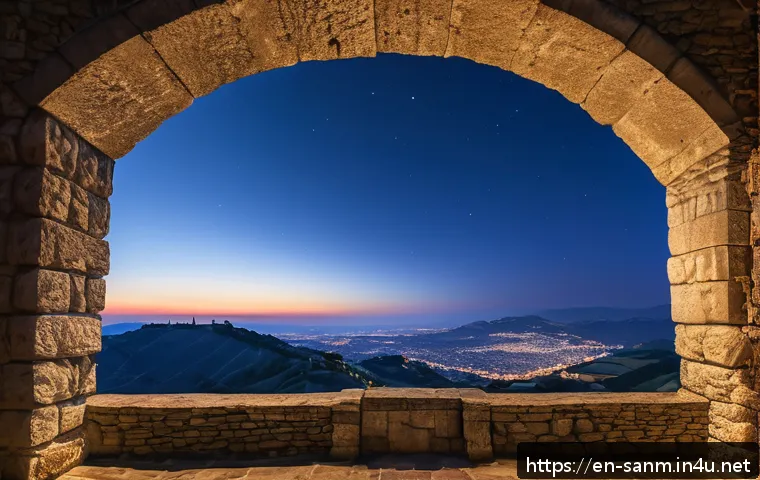
It felt like time itself slowed down, inviting me to truly absorb the stunning panoramic views from the Three Towers without the usual rush of crowds.
This isn’t just about a smaller population; it’s a deeply ingrained cultural trait, a preference for peace and community over the hustle and bustle. The Sammarinese seem to cherish their quiet moments, and as a visitor, it’s an incredibly refreshing change.
It made me realize that part of their enduring independence isn’t just political, but also a chosen lifestyle, one that prioritizes a measured, harmonious way of living.
Panoramic Views and Distinctive Architecture: A Visual Feast
The Majestic Towers: Symbols of Enduring Freedom
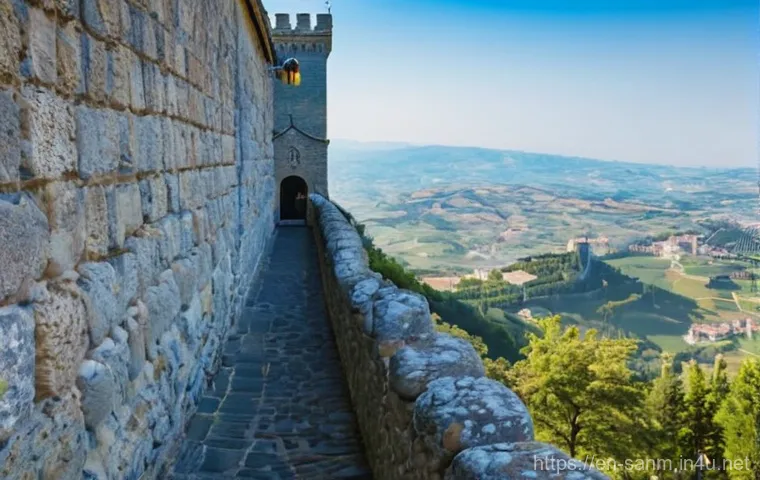
You really can’t miss the Three Towers of San Marino – Guaita, Cesta, and Montale – perched dramatically atop Monte Titano. I climbed up to each of them, and it wasn’t just about the breathtaking views (though those are spectacular, reaching out to the Adriatic Sea).
It was about the palpable sense of history and fortification. These aren’t just old castles; they are powerful symbols of the republic’s enduring freedom and resilience against invaders.
Unlike many historical sites in Italy which often blend into a larger regional narrative, these towers stand alone as singular testaments to Sammarinese independence.
Walking through their ancient stone walls, I could almost hear the echoes of past sentinels guarding their tiny nation. They truly are the heart and soul of San Marino’s visual identity, instantly recognizable and deeply meaningful to the Sammarinese people.
Architectural Homage and Historical Preservation
While San Marino shares some architectural styles with its Italian neighbors, particularly from the medieval and Renaissance periods, there’s a distinct emphasis on preservation that truly sets it apart.
The historic center, a UNESCO World Heritage site, feels less altered by modern interventions than many comparable Italian towns. The buildings have a uniform, dignified appearance that speaks to a conscious effort to maintain its ancient character.
I noticed how diligently they’ve worked to restore and protect structures, ensuring that the historical fabric remains intact. It’s not just about aesthetics; it’s about honoring their past and maintaining a consistent visual narrative of their long history.
This deliberate preservation effort creates an atmosphere where every street and every building tells a story, making the entire republic feel like a living museum, meticulously cared for and deeply respected.
Navigating the Everyday: Economy, Currency, and Community Spirit
The Sammarinese Economy: A World Apart
Exploring San Marino also means understanding its unique economic landscape, which differs quite a bit from Italy’s. While both are part of the broader European economic sphere, San Marino has its own set of distinct policies and, perhaps most notably, its own coin currency, the Sammarinese euro, though the common Euro is accepted.
It felt like a subtle but powerful statement of sovereignty. I also noticed a strong focus on tourism, banking, and stamp collecting, the latter being a unique niche that brings in a surprising amount of revenue and international interest.
This specialization, along with its own VAT system, contributes to a different cost structure and business environment. It’s not just a small state; it’s a distinct economic entity carefully managing its own fiscal path, often with a level of agility that larger nations can’t match.
A Tight-Knit Community and Local Customs
One of the most heartwarming aspects of my visit was experiencing the strong sense of community. In many larger Italian cities, it’s easy to feel like just another face in the crowd.
But in San Marino, even as a visitor, I felt a connection to the local populace. People seemed to know each other, greeting one another by name in the streets, and there was a palpable sense of shared identity and mutual support.
This close-knit community often manifests in unique local customs and traditions that are fiercely maintained, from historical reenactments to specific religious celebrations that are deeply rooted in Sammarinese history rather than being merely regional Italian events.
It truly felt like stepping into a place where community still holds immense value, fostering a warm and welcoming atmosphere that is distinctively Sammarinese.
Beyond the Guidebook: Unique Finds and Souvenirs
Treasures from San Marino: More Than Just Mementos
When it comes to souvenirs, San Marino truly offers something different. While you can find generic Italian gifts, the real gems are the items unique to the Republic itself.
I spent a good hour browsing through shops specializing in collectible Sammarinese stamps and coins, which are eagerly sought after by philatelists and numismatists worldwide.
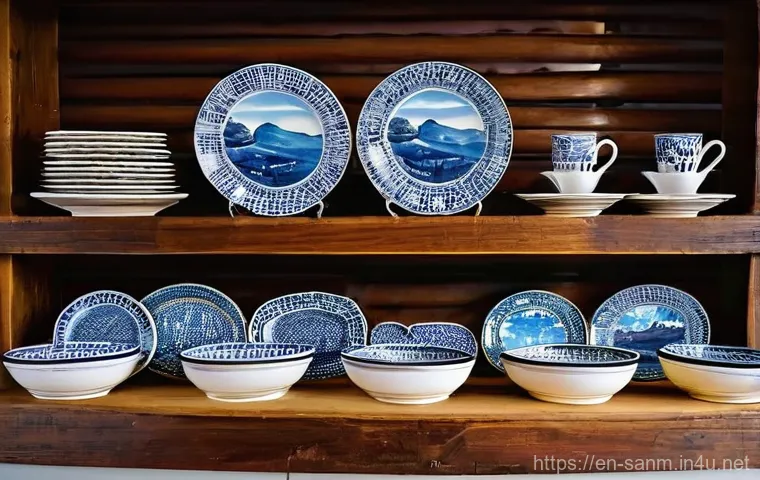
It’s a fascinating niche that highlights their sovereign status. Then there are the local artisan crafts – beautiful ceramics and leather goods that often feature the iconic Three Towers or the Sammarinese coat of arms.
I ended up buying a small hand-painted plate that beautifully depicted the skyline, knowing it was a piece of art created right there. It felt much more authentic than a mass-produced item you might find anywhere else.
These aren’t just trinkets; they’re tangible pieces of their unique identity that you can take home.
Duty-Free Delights and Local Discoveries
Another pleasant surprise was the unique shopping experience, particularly with its duty-free status. While it’s not a huge difference, I noticed that certain items, especially spirits and some luxury goods, could be found at slightly more favorable prices than across the border in Italy.
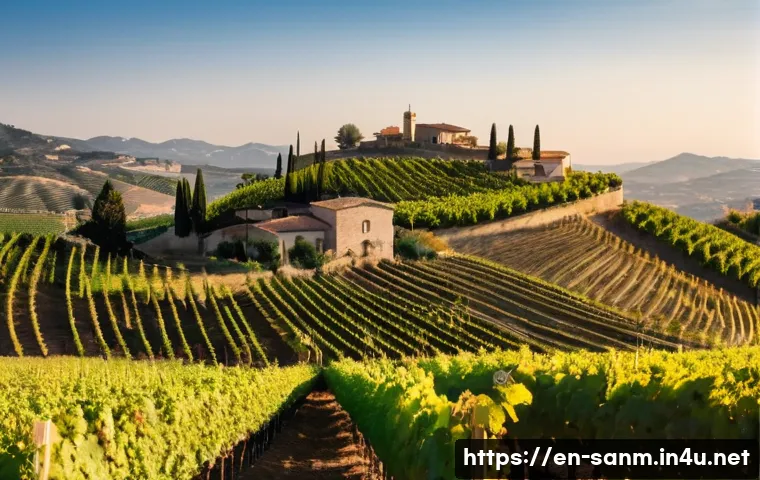
This adds a practical dimension to the shopping experience, making it not just about unique local finds but also a bit of a bargain hunt. Beyond the more obvious items, I discovered incredible local honey and olive oil, produced right in the surrounding hills.
Engaging with the vendors, who were often the producers themselves, added a personal touch that made these simple purchases feel incredibly special. It’s these small, often overlooked details that contribute to San Marino’s charm and differentiate the shopping experience from a typical Italian excursion.
| Feature | San Marino’s Unique Aspect | General Italian Characteristic |
|---|---|---|
| Government Structure | Ancient Republic with two Captains Regent (6-month terms) | Parliamentary Republic with a President and Prime Minister |
| Sovereignty | World’s oldest continuous republic; fiercely independent | United Republic since 1861 |
| Local Cuisine | Unique dishes like Torta Tre Monti, local wines, specific truffle dishes | Regionally diverse, iconic dishes like pizza, pasta, gelato |
| Pace of Life | Generally calmer, more tranquil and unhurried | Varies from bustling cities to relaxed rural areas |
| Currency & Economy | Uses Euro, but also mints its own Sammarinese Euro coins; duty-free shopping | Uses Euro, part of the larger Eurozone economy |
| National Identity | Strong Sammarinese identity, distinct from Italian | Regional identities (e.g., Roman, Tuscan, Sicilian) within Italian nationality |
Wrapping Things Up
Well, what an incredible journey we’ve taken through the heart of San Marino! It truly blew my expectations out of the water, revealing itself to be so much more than just a picturesque Italian backdrop. I mean, who knew such a tiny place could hold such a massive, unwavering spirit of independence and history? My time there was filled with moments of genuine surprise and delight, from delving into its ancient governmental quirks to savoring unique local flavors that truly speak of its own identity. If you’re anything like me – a traveler who craves those authentic, off-the-beaten-path experiences – then San Marino absolutely needs to be on your radar. It’s a place that not only captures your gaze with its stunning views but also tugs at your heart with its quiet dignity and rich, resilient story. Trust me, you’ll leave with memories as towering as Monte Titano itself and a deep appreciation for this little republic that stands so proudly on its own.
Useful Information to Know
Here are some handy tips I picked up along the way that I wish I knew before my trip, to make your visit to San Marino as smooth and enjoyable as possible:
-
The sweet spot for visiting San Marino is generally during the spring (think April to May) or autumn (September to October). The weather is wonderfully mild then, perfect for all the uphill walking, and you’ll find fewer crowds compared to the bustling summer months. If you do go in summer, try to arrive early or stay late to beat the day-tripper rush. And hey, if you’re a fan of festive atmospheres and don’t mind the chill, their Christmas market in winter is pretty magical and much quieter!
-
Don’t expect an airport or train station right in San Marino; it’s a car or bus affair. Your best bet is to fly into Bologna (BLQ) or, even closer, Rimini (RMI) in Italy. From Rimini, there’s a super convenient public bus service (like Bonelli Bus or Benedettini) that takes you directly to the City of San Marino in about an hour for around €6. Once you’re in the city, leave the car; exploring on foot is the only way to truly soak it all in. And definitely take the Funivia (cable car) from Borgo Maggiore up to the historic center – the views are absolutely breathtaking!
-
While San Marino has the right to mint its own Euro coins, the official and widely used currency is the standard Euro (EUR), just like in Italy. Credit and debit cards are accepted in most places, but it’s always a good idea to have some cash on hand for smaller purchases, market stalls, or if you stumble upon a charming little café off the main drag. Oh, and keep an eye out for duty-free shopping deals, especially on certain luxury goods and spirits!
-
Here’s a fun fact: there’s no formal passport control when you enter San Marino from Italy, but you absolutely still need your valid passport. As a sovereign state, San Marino has its own entry requirements, which typically align with Italy’s. For a cool souvenir, you can get an unofficial passport stamp for about €5 at the Tourist Information Office. However, a quick tip from my personal experience: some folks advise against this if you’re worried about any potential (though unlikely) issues with official passport validity, especially for frequent international travelers.
-
You’re going to be doing a lot of walking, climbing, and exploring ancient fortresses, so comfort is key! Seriously, bring your most comfortable, supportive shoes with good grip. Those cobblestone streets are charming but can be steep and uneven. Also, a little heads-up: if you’re planning on climbing into some of the towers, like Guaita, a dress might be a bit impractical for navigating ladders and tight spaces. I personally found myself wishing I’d opted for trousers on one of those tower climbs!
Key Takeaways
Looking back at my adventure, the biggest takeaway from San Marino is this: it’s a tiny republic with a colossal personality, steadfastly holding onto its unique identity amidst its powerful Italian neighbor. Its ancient system of two Captains Regent, serving short, six-month terms, isn’t just a historical footnote; it’s a living testament to their deep-rooted democratic values and a profound commitment to preventing concentrated power. This fierce independence permeates every aspect of Sammarinese life, from their distinct local cuisine, which lovingly incorporates unique flavors and traditions, to the noticeably calmer, more deliberate pace of daily life that feels like a refreshing embrace. The iconic Three Towers standing proudly atop Monte Titano are more than just breathtaking landmarks; they are enduring symbols of their resilience and freedom, offering panoramic vistas that etch themselves into your memory. This isn’t just a quick stop; it’s an immersive dive into a sovereign microstate that proudly preserves its rich history, distinct culture, and an unwavering community spirit. San Marino truly offers an experience that’s unlike any other, making it a must-visit for anyone seeking a blend of historical depth, cultural uniqueness, and serene beauty.
Frequently Asked Questions (FAQ) 📖
Q: “Okay, so I’m intrigued! If San Marino is completely surrounded by Italy, what actually makes it feel so different once you’re walking its streets?”
A: Oh, this is such a fantastic question, and it’s exactly what I pondered before my first visit! You know, it’s not like stepping into a completely foreign land where everything is upside down, but the difference is palpable, a subtle hum beneath the surface that truly sets it apart.
For me, it was the immediate sense of stepping into a living, breathing medieval fairytale. While Italy has its share of ancient towns, San Marino feels like a meticulously preserved gem, almost frozen in time.
The very air carries a quiet dignity, a proud independence that the Sammarinese people hold dear. You’ll notice it in their flag, proudly waving everywhere, distinct from the Italian tricolore.
Then there’s the unique governmental system – it’s the world’s oldest republic, and you can sense that deep-rooted history in their institutions and even in casual conversations with locals.
They are incredibly proud of their heritage and their autonomy. Plus, I personally found the pace of life just a little different, perhaps a touch more serene, especially in the evenings after the day-trippers have departed.
It’s less boisterous than some of its Italian neighbors, offering a calm that’s truly refreshing. It’s like finding a secret garden – familiar in some ways, but utterly unique in its essence.
Q: “I’m planning a trip to Italy, and San Marino seems like a cool detour. Can I just pop over for a quick photo op, or does it genuinely warrant a dedicated visit to truly appreciate it?”
A: My honest take? While you could absolutely just zip in and out for a photo with the towers, you’d be doing yourself a massive disservice by not allowing San Marino to truly reveal its charms!
I initially thought I’d just swing by for a couple of hours, but I ended up staying overnight and was so glad I did. The real magic of San Marino unfolds when you give it time to breathe.
During the day, it’s bustling with visitors, but in the late afternoon, as the crowds thin out, you get to experience a different side of the republic.
Imagine watching the sunset over the rolling Italian hills from the ancient walls, the old city lights twinkling below, and then enjoying a quiet dinner in a cozy trattoria, feeling like you have the place almost to yourself.
That’s when you can truly soak in the atmosphere, explore the narrow alleyways without feeling rushed, and stumble upon hidden gems you might otherwise miss.
Trust me, extending your stay, even for just one night, allows you to peel back the layers and connect with the heart of this incredible microstate in a way a quick stop simply can’t.
It’s an experience, not just a checklist item!
Q: “Beyond the obvious stunning views, what are some truly ‘only in San Marino’ experiences or sights that I wouldn’t find anywhere else in Italy?”
A: Ah, this is where San Marino truly shines and solidifies its distinct personality! Of course, the panoramic views from the Three Towers (Guaita, Cesta, and Montale) are unparalleled – you literally feel like you’re on top of the world, gazing out over Italy.
But beyond that postcard-perfect scenery, there are some wonderfully unique experiences here. For instance, you absolutely must explore the diverse and often quirky museums.
Where else can you find a Museum of Torture Devices and a Museum of Curiosities side-by-side with a State Museum showcasing Sammarinese history and art?
It’s a fascinating juxtaposition that reflects its unique heritage. Then there’s the opportunity to witness the changing of the guard by the Guardia di Rocca – their uniforms and precision are quite distinct and a real throwback to an older era.
Also, keep an eye out for the unique souvenir shops. Because it’s a separate state, you’ll find special San Marinese stamps and coins, which are collector’s items and a fantastic memento that you simply can’t pick up in Italy.
I even found some truly unique handcrafted items that felt distinctly Sammarinese, not just generic Italian souvenirs. It’s these subtle yet significant differences that weave together to create an experience that is truly and wonderfully San Marinese.