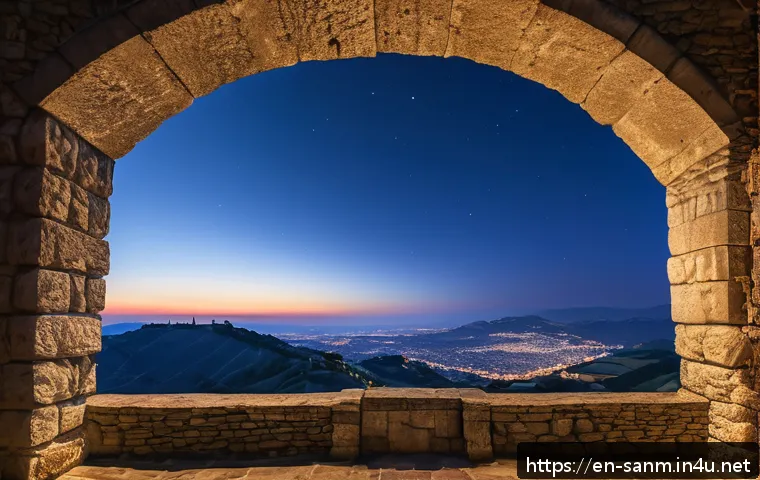
Nestled within the heart of Europe, San Marino might seem like a peaceful enclave, but beneath its serene surface lie intriguing political dynamics worth exploring.
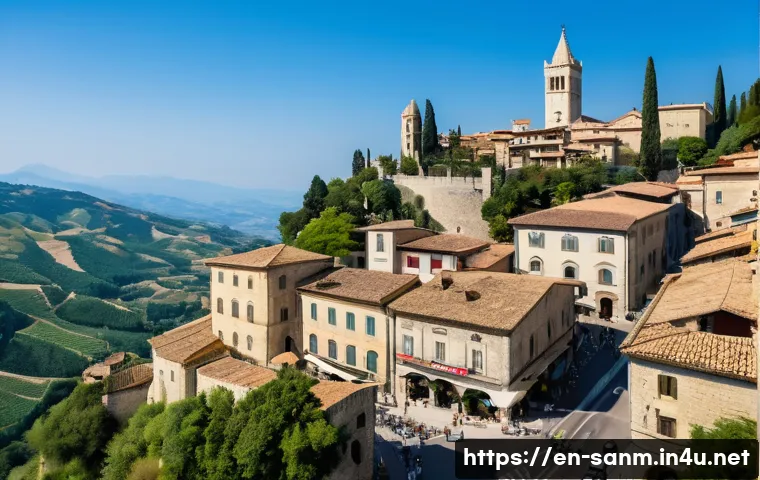
Despite its small size, the country faces unique challenges related to governance, economic policies, and its relationship with the European Union. Recent developments have sparked lively debates about transparency, modernization, and preserving its historic identity.
Understanding these issues sheds light on how microstates navigate global pressures in the 21st century. Let’s dive deeper to uncover what’s really happening behind the scenes in San Marino’s political landscape!
Governance and Political Structure in a Microstate Context
Unique Features of San Marino’s Political System
San Marino stands out with its ancient political traditions that have remarkably endured over centuries. Unlike larger nations with complex bureaucracies, San Marino operates with a dual Captains Regent system, where two heads of state are elected every six months by the Grand and General Council.
This rapid rotation ensures a continuous refresh of leadership but also poses challenges in terms of policy continuity. The small size of the parliament, consisting of 60 members, facilitates direct communication and swift decision-making, yet it also means that political alliances and personal relationships heavily influence governance.
From my observations, this dynamic creates a unique blend of stability and fluidity, often unlike what we see in larger democratic systems.
The Balancing Act Between Tradition and Modern Governance
One of the most fascinating aspects is how San Marino tries to preserve its medieval roots while adapting to 21st-century governance demands. For instance, while the country maintains its historical statutes and ceremonial practices, it simultaneously implements modern legislative frameworks to address contemporary issues like digital privacy and economic diversification.
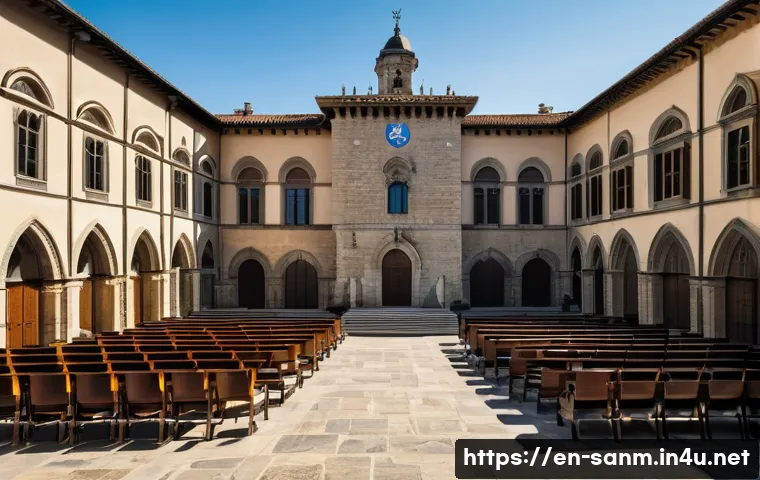
During a recent visit, I noticed how the government buildings themselves reflect this duality—ancient stone walls housing state-of-the-art communication technology.
This coexistence of old and new underscores the country’s effort to remain relevant without losing its identity, which is a constant balancing act for policymakers.
Challenges of Political Transparency in a Close-Knit Community
Given San Marino’s small population, political transparency takes on a different dimension compared to larger states. While the government publishes official documents and holds public sessions, informal networks and familial ties often influence political decisions behind the scenes.
This can make it difficult for outsiders to fully grasp the depth of political maneuvering. I’ve heard from locals that there’s ongoing debate about increasing transparency measures to build trust, especially among younger citizens who demand accountability.
Yet, implementing these reforms is complicated by the close-knit nature of society, where political and social spheres frequently overlap.
Economic Strategies and Financial Policies
Adapting to a Globalized Economy
San Marino’s economy, traditionally reliant on tourism, banking, and manufacturing, has been under pressure to diversify and modernize. With global economic shifts, the government has pushed to attract foreign investment, particularly in tech startups and sustainable industries.
From what I’ve gathered through conversations with local entrepreneurs, there’s a growing enthusiasm for innovation, but also a cautious approach given the country’s limited resources.
The government offers incentives like tax breaks and streamlined business registration to stimulate growth, but infrastructure and market size remain limiting factors.
Banking Sector Reforms and EU Relations
Historically, San Marino’s banking sector has been a cornerstone of its economy, but it has faced scrutiny over transparency and regulatory compliance.
In response, recent reforms have aligned financial regulations more closely with European standards, even though San Marino is not an EU member. This alignment is part of a broader effort to improve the country’s reputation and foster closer ties with the EU.
I found it interesting how these reforms also aim to combat money laundering and increase financial oversight, which benefits both the domestic economy and international relations.
Tourism’s Role in Economic Stability
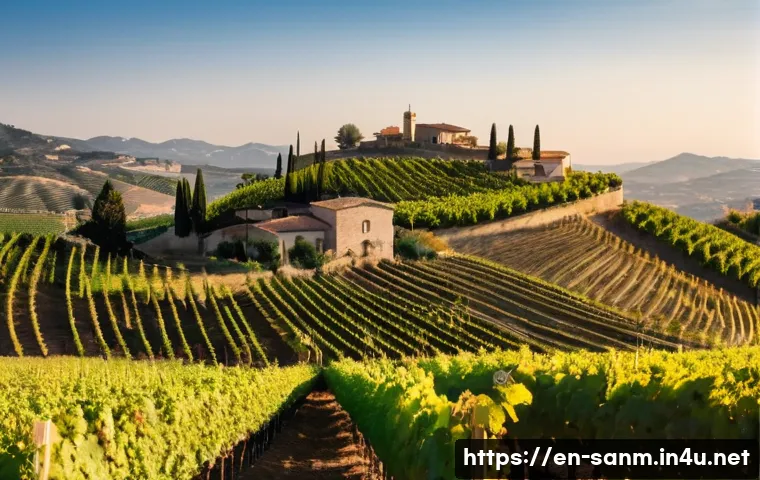
Tourism remains a vital pillar for San Marino’s economy, drawing visitors attracted by its historic charm and scenic landscapes. However, the sector’s vulnerability was exposed during the COVID-19 pandemic when visitor numbers plummeted.
Recovery efforts now focus on sustainable tourism, promoting off-season visits and cultural events to extend the tourist season beyond summer months. Local business owners I spoke with expressed optimism, noting how digital marketing and partnerships with Italian travel agencies have helped revive interest.
The government’s role in supporting these initiatives is crucial for maintaining economic stability.
International Relations and EU Engagement
Non-EU Status and Its Implications
Although San Marino is surrounded by Italy and closely linked to the EU, it remains outside the union, which creates a unique set of diplomatic and economic challenges.
This non-membership status means San Marino negotiates bilateral agreements to facilitate trade and movement, rather than benefiting from EU-wide policies.
For example, customs arrangements and VAT agreements require constant updating. From my research, it appears the government values sovereignty highly but recognizes that deeper integration could bring economic advantages, especially in areas like environmental regulations and digital markets.
Cooperation with Italy and Neighboring States
San Marino’s relationship with Italy is pivotal, given geographic proximity and historical ties. The two countries cooperate on issues ranging from infrastructure development to law enforcement.
I learned that many residents commute daily to Italy for work, which intertwines their economic and social lives. San Marino also participates in regional initiatives focusing on cultural heritage and environmental protection.
This collaboration helps the microstate punch above its weight on the international stage, leveraging partnerships to address challenges it couldn’t tackle alone.
Efforts Toward Greater Global Visibility
Despite its size, San Marino actively pursues a presence in international organizations, including the United Nations and the Council of Europe. This participation allows it to contribute to global discussions on human rights, security, and sustainable development.
I was impressed by how officials describe their diplomatic efforts—not as symbolic gestures but as strategic moves to assert influence and attract international support.
They emphasize the importance of these platforms for small states to have a voice amid larger powers.
Social Dynamics and Public Sentiment
Generational Perspectives on Governance
Public opinion in San Marino reveals a generational divide regarding politics and reform. Older citizens tend to prioritize preserving traditions and the status quo, while younger people advocate for modernization and transparency.
During informal chats in cafes, younger locals expressed frustration with perceived political stagnation and a desire for more digital engagement and participatory democracy.
This dynamic creates a lively political environment where reform proposals often spark heated debate, reflecting broader trends seen in small democracies worldwide.
Civil Society and Political Participation
San Marino benefits from an active civil society, with numerous associations and grassroots movements focused on environmental issues, cultural preservation, and social welfare.
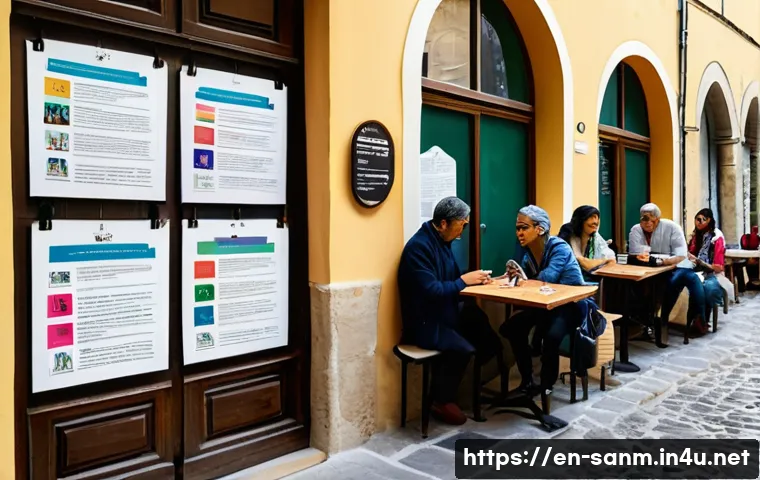
I attended a local town hall meeting where citizens passionately discussed a new urban development plan, highlighting how community involvement shapes policy decisions.
Political participation rates are relatively high given the country’s size, and the government encourages citizen feedback through digital platforms and public forums.
This engagement contributes to a political culture that values dialogue and inclusiveness.
Media Landscape and Information Flow
The media environment in San Marino is characterized by a mix of public broadcasters and independent outlets, though the small market size limits media diversity.
Social media plays an increasingly important role, especially among younger demographics, in shaping political discourse. However, concerns about misinformation and media bias persist.
In my experience, people rely heavily on word-of-mouth and personal networks for news, which underscores the importance of trust in information sources.
Efforts to promote media literacy are underway to address these challenges.
Legal Reforms and Judicial Independence
Modernizing the Legal Framework
San Marino is actively updating its legal codes to align with international standards and address emerging issues like cybercrime and data protection.
These reforms aim to create a more transparent and efficient judicial system that can support economic development and protect citizens’ rights. From discussions with legal experts, I gathered that while progress has been steady, the small scale of the judiciary means resources are stretched, and specialized expertise is sometimes hard to maintain.
Nonetheless, commitment to reform remains strong.
Ensuring Judicial Independence
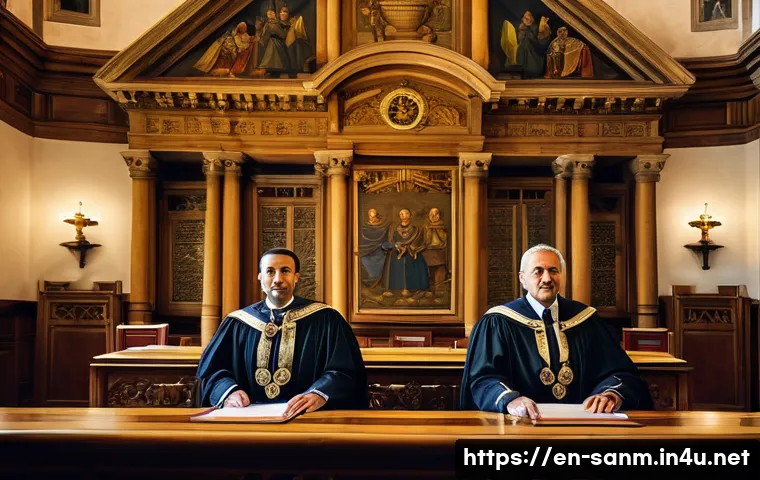
Maintaining judicial independence in a microstate where personal relationships are widespread is a delicate task. The government has introduced measures to safeguard judges from political pressure, including clearer appointment procedures and tenure protections.
I found it encouraging that these steps are publicly discussed and monitored by civil society groups, which adds a layer of accountability. This transparency is crucial for fostering public confidence in the rule of law.
Challenges in Combating Corruption
Corruption, while not rampant, remains a concern due to the intimate nature of San Marino’s political and economic networks. Anti-corruption laws have been strengthened recently, with mechanisms for whistleblower protection and financial disclosure.
Local activists emphasize the importance of cultural change alongside legal measures to reduce nepotism and favoritism. The government’s willingness to engage with international anti-corruption bodies signals a serious approach to tackling these issues.
Environmental Policies and Sustainable Development
Commitment to Green Initiatives
San Marino has demonstrated a growing commitment to environmental sustainability, recognizing that preserving its natural beauty is essential for tourism and quality of life.
The government has launched initiatives promoting renewable energy, waste reduction, and biodiversity conservation. During a visit to a local eco-park, I witnessed firsthand how these efforts involve community participation and education.
Though the scale is modest, the impact on public awareness is significant.
Addressing Climate Change Risks
Despite its small size, San Marino faces climate-related challenges such as increased rainfall and landslide risks. Policymakers are integrating climate adaptation strategies into urban planning and infrastructure projects.
I was impressed by the detailed risk assessments conducted in collaboration with Italian and European experts, reflecting a proactive approach. These measures aim not only to protect the population but also to ensure long-term economic resilience.
Promoting Sustainable Tourism
Sustainable tourism is a key component of San Marino’s environmental strategy, aiming to balance visitor influx with conservation. The government encourages eco-friendly practices among hotels and tour operators and supports cultural events that highlight heritage without overburdening resources.
Local guides I met emphasized the importance of educating tourists on respecting local customs and natural sites, which enhances both visitor experience and environmental protection.
| Aspect | Key Features | Challenges | Recent Developments |
|---|---|---|---|
| Governance | Dual heads of state, small parliament, rapid leadership rotation | Policy continuity, influence of personal relationships | Debates on transparency reforms, modernization efforts |
| Economy | Tourism, banking, emerging tech startups | Limited market size, dependency on Italy, regulatory scrutiny | Banking reforms, incentives for innovation, sustainable tourism |
| International Relations | Non-EU member, bilateral agreements with Italy | Limited access to EU frameworks, need for sovereignty balance | Closer regulatory alignment, active participation in global forums |
| Social Dynamics | Active civil society, generational divides, high political participation | Transparency concerns, media bias, generational tensions | Digital engagement initiatives, media literacy programs |
| Legal System | Ongoing legal modernization, judicial independence efforts | Resource constraints, corruption risks | Anti-corruption laws, judiciary protections |
| Environment | Renewable energy, climate adaptation, sustainable tourism | Climate risks, balancing tourism and conservation | Eco-initiatives, regional cooperation on climate |
In Conclusion
San Marino’s unique blend of ancient traditions and modern governance creates a fascinating political landscape. Its small size brings both agility and challenges, especially in maintaining transparency and policy continuity. Economically, the country is navigating global pressures by embracing innovation and sustainability. Internationally, it balances sovereignty with strategic cooperation. Overall, San Marino exemplifies how microstates adapt and thrive amid evolving global dynamics.
Useful Information to Remember
1. San Marino’s dual leadership system rotates every six months, promoting diverse representation but sometimes limiting long-term policy planning.
2. The economy relies heavily on tourism and banking but is increasingly supporting tech startups and sustainable industries to diversify.
3. Although not an EU member, San Marino aligns many regulations with European standards to foster better trade and diplomatic relations.
4. Generational differences shape political views, with younger citizens pushing for modernization and digital engagement.
5. Environmental efforts focus on renewable energy, climate adaptation, and promoting sustainable tourism to protect the country’s natural heritage.
Key Takeaways
San Marino’s governance thrives on a historic yet evolving political framework that requires balancing tradition with modern needs. Its economy is actively diversifying while facing limitations due to size and external dependencies. The microstate’s diplomatic approach carefully weighs sovereignty against the benefits of cooperation, particularly with Italy and the EU. Socially, active civic participation and generational perspectives influence reform momentum. Legal and environmental reforms reflect a commitment to transparency, sustainability, and resilience, ensuring San Marino remains a distinctive and adaptive player on the international stage.
Frequently Asked Questions (FAQ) 📖
Q: How does San Marino maintain its political independence despite being surrounded by Italy?
A: San Marino’s political independence is rooted in its long history as one of the world’s oldest republics. Although it is entirely surrounded by Italy, San Marino has maintained sovereignty through diplomatic agreements and careful neutrality.
The government operates with a unique system that blends tradition with modern governance, allowing it to assert autonomy while fostering cooperative relations with Italy and the EU.
This balance helps preserve its independence without isolating it economically or politically.
Q: What are the main challenges San Marino faces regarding economic policies and its relationship with the European Union?
A: San Marino’s economy is heavily reliant on sectors like tourism, banking, and manufacturing, which makes it vulnerable to global economic shifts. One key challenge is aligning its financial regulations with EU standards to avoid being labeled a tax haven, which could impact international relations and investments.
Additionally, San Marino is not an EU member but maintains close ties, so it must navigate complex trade and regulatory frameworks to ensure smooth economic interaction without compromising its autonomy.
Q: How is San Marino addressing calls for modernization while preserving its historic identity?
A: The tension between modernization and tradition is a hot topic in San Marino. Recent political debates focus on updating administrative processes, increasing transparency, and embracing digital infrastructure to improve governance and attract foreign investment.
However, there is a strong desire to protect cultural heritage and historic sites, which define the country’s unique character. Policymakers are striving to strike a balance by implementing reforms that enhance efficiency without eroding the charm and historical significance that make San Marino special.