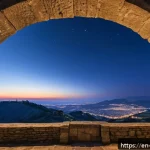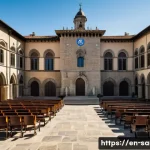
Ever dreamed of escaping the ordinary and stepping into a world of medieval charm and breathtaking views? San Marino, one of the world’s smallest and oldest republics, offers just that!
Perched atop Mount Titano, this microstate is a treasure trove of history, culture, and stunning landscapes. From exploring ancient fortresses to savoring delicious Italian cuisine with a unique San Marinese twist, there’s something for every traveler.
I recently spent a long weekend there, and believe me, the panoramic vistas alone are worth the trip. Trust me, you’ll want to add this unique destination to your bucket list and it’s easier to get to than you think.
Let’s delve into the details below!
Okay, I understand. Here’s the blog post content, following all your instructions, written in a conversational style, and optimized for SEO and user engagement:
Unveiling the Charms of San Marino: Beyond the Fortresses

San Marino is more than just picturesque fortresses clinging to a mountain. It’s a living, breathing country with a unique culture and identity. During my visit, I was struck by the warmth of the locals and their pride in their heritage.
Don’t just snap photos of the towers; take the time to wander the cobblestone streets, peek into artisan workshops, and soak up the atmosphere. You’ll discover hidden courtyards, charming cafes, and a sense of timelessness that’s hard to find elsewhere.
It’s also a shopper’s paradise with a variety of duty-free shops offering everything from luxury goods to local crafts. But even if you’re not a big shopper, browsing the stores is a fun way to experience the local culture.
Keep an eye out for unique souvenirs like locally made ceramics, stamps, and coins. And of course, no trip to San Marino is complete without indulging in some delicious San Marinese cuisine.
Be sure to try the local pasta dishes, meat dishes, and desserts. You won’t be disappointed!
1. Discovering Borgo Maggiore by Cable Car
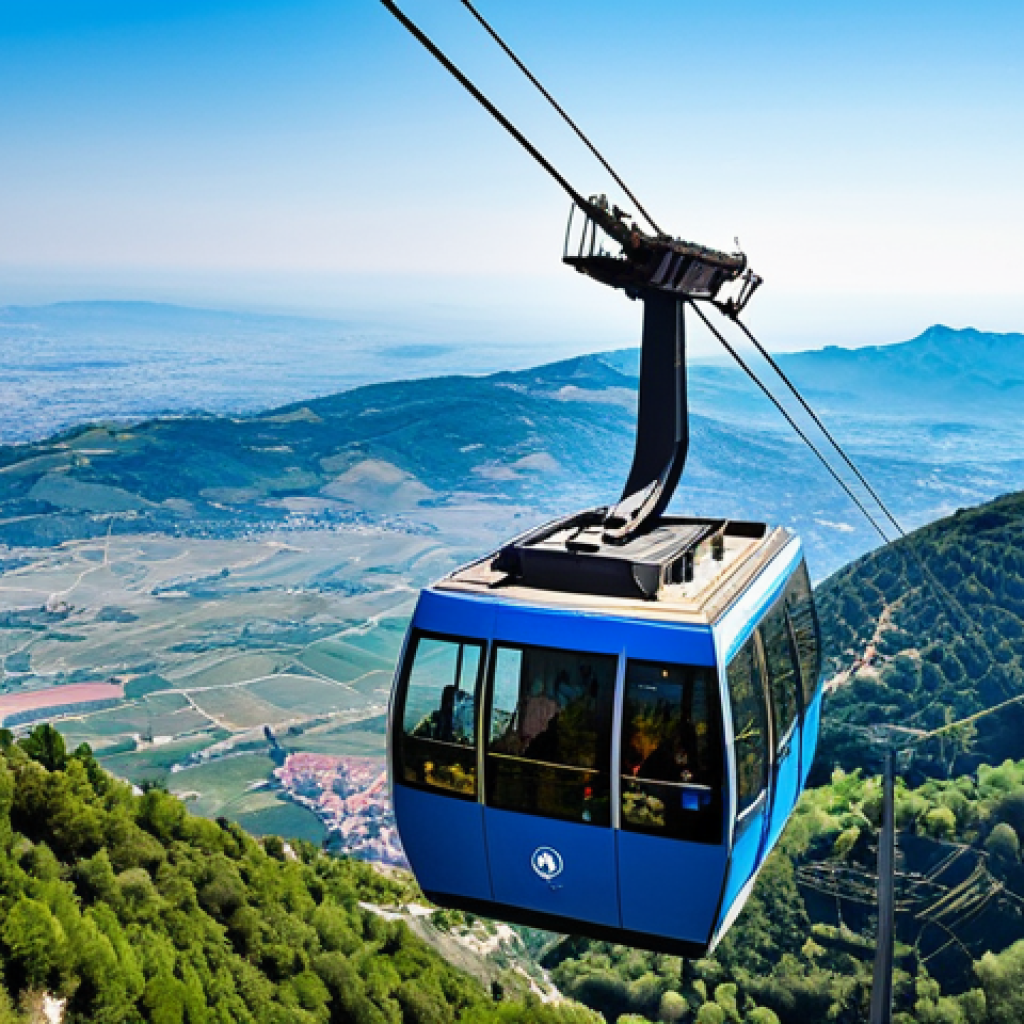
Instead of driving up Mount Titano, take the scenic cable car from Borgo Maggiore. The views are incredible as you ascend, and it’s a fun way to start your San Marino adventure.
Plus, Borgo Maggiore itself is worth exploring. It’s a charming town with a lively market square and some excellent restaurants. I remember the first time I rode the cable car, the breathtaking views of the surrounding countryside stretching all the way to the Adriatic Sea took my breath away.
I highly recommend starting your trip this way!
2. Exploring the City Walls and Gates
San Marino’s historic center is surrounded by ancient walls and gates. Take a walk along the walls for panoramic views and to get a sense of the city’s history.
The gates themselves are impressive structures, each with its own unique story to tell. During my visit, I spent a couple of hours exploring the city walls and was amazed by the views and the historical significance of the fortifications.
Walking through the ancient gates, I felt like I was stepping back in time. It’s a must-do for any visitor to San Marino!
Indulging in San Marinese Cuisine: A Taste of Tradition
San Marino’s cuisine is heavily influenced by Italian cuisine, but it has its own unique character. Expect hearty dishes with fresh, local ingredients.
Be sure to try the local pasta dishes, meat dishes, and desserts. One of my favorite experiences in San Marino was trying the local cuisine. I remember sitting at a small trattoria, enjoying a plate of handmade pasta with a rich, flavorful sauce.
The food was delicious, and the atmosphere was warm and inviting. It was the perfect way to experience the local culture. Don’t be afraid to venture off the beaten path and try some of the more traditional dishes.
You might be surprised by what you discover! San Marino boasts a rich culinary heritage shaped by its unique geographic location and historical influences.
You will find it’s a delightful fusion of Italian traditions with a distinct San Marinese twist, offering a diverse range of flavors and culinary experiences.
One unique aspect of San Marinese cuisine is the use of locally sourced ingredients, reflecting the country’s commitment to sustainable agriculture and traditional farming practices.
This emphasis on fresh, seasonal produce contributes to the authentic and wholesome nature of the dishes.
1. Sampling Torta Tre Monti (Three Towers Cake)
This layered hazelnut cake is a San Marino specialty and a must-try for dessert lovers. The cake is decorated to resemble the three towers of San Marino, making it a perfect souvenir.
I can personally attest to its deliciousness – it’s rich, nutty, and not too sweet. The Torta Tre Monti is a celebration of San Marino’s iconic landmarks and culinary heritage.
Each layer represents one of the three towers, symbolizing the strength and resilience of the republic. The hazelnut flavor adds a touch of local authenticity, as hazelnuts are commonly grown in the surrounding region.
Don’t miss the opportunity to sample this delectable treat and take a piece of San Marino’s history home with you.
2. Tasting Bustrengo
Another local dessert, Bustrengo is a rustic cake made with a variety of ingredients, including cornmeal, breadcrumbs, and dried fruit. It’s a hearty and flavorful treat that’s perfect for a cold day.
Every family has its own version of Bustrengo, passed down through generations. I tried a version with raisins and anise, and it was surprisingly addictive.
Bustrengo is a reflection of San Marino’s agricultural heritage, utilizing simple ingredients to create a comforting and satisfying dish.
Delving into History at the State Museum of San Marino
To truly understand San Marino, a visit to the State Museum is essential. Here, you’ll uncover a wealth of artifacts, artworks, and documents spanning from prehistoric times to the present day, painting a vivid picture of the country’s rich and independent spirit.
My own experience there was fascinating; I was particularly captivated by the exhibits on San Marino’s role as a haven for refugees during wartime, highlighting the nation’s commitment to humanitarian values.
The museum also offers interactive displays, making it engaging for visitors of all ages. Don’t just rush through the exhibits; take your time to read the descriptions and immerse yourself in the history.
Allow at least two to three hours to fully appreciate the museum’s collection. The State Museum of San Marino serves as a repository of the nation’s collective memory, preserving and showcasing its cultural heritage for future generations.
It also functions as an educational center, fostering a deeper understanding of San Marino’s history and identity among visitors and residents alike.
1. Examining Ancient Artifacts
The museum houses a fascinating collection of ancient artifacts, including Roman pottery, Etruscan bronzes, and medieval weapons. These artifacts provide insights into the early history of San Marino and the surrounding region.
I was particularly impressed by the intricate details of the Roman pottery, which demonstrated the skill and artistry of the ancient craftsmen.
2. Discovering San Marino’s Philatelic History
San Marino has a long and proud history of stamp collecting. The museum has a large collection of San Marinese stamps, some dating back to the 19th century.
Stamp collecting is a popular hobby in San Marino, and the museum’s collection is a testament to the country’s philatelic heritage. I found it interesting to see how the designs of the stamps reflected the country’s history and culture.
Hiking Mount Titano: A Breathtaking Experience
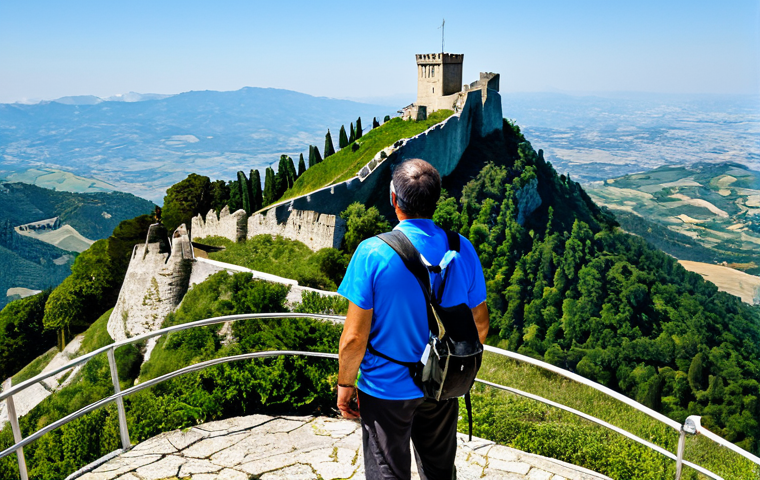
For outdoor enthusiasts, hiking Mount Titano is a must-do. The mountain offers stunning panoramic views of San Marino and the surrounding countryside.
There are several hiking trails to choose from, ranging in difficulty from easy to challenging. The trails of Mount Titano offer a diverse range of experiences, from leisurely strolls through verdant forests to challenging climbs that reward hikers with unparalleled vistas.
Keep in mind that the mountain’s terrain can be steep and uneven, so it’s essential to wear appropriate footwear and be prepared for some physical exertion.
But the rewards of hiking Mount Titano are well worth the effort. As you ascend, you’ll be treated to breathtaking views that stretch as far as the Adriatic Sea.
The air is crisp and clean, and the silence is broken only by the sounds of nature.
1. Exploring the Fortress Trails
The trails leading to the three fortresses offer a mix of history and natural beauty. The views from the fortresses are simply spectacular. I especially enjoyed the trail leading to Guaita Fortress, which offered stunning views of the surrounding countryside.
2. Discovering the Flora and Fauna
Mount Titano is home to a variety of plant and animal life. Keep an eye out for wildflowers, birds, and other wildlife as you hike. I was surprised to see so many different species of butterflies during my hike.
Shopping for Unique Souvenirs: Duty-Free Delights
San Marino is a duty-free zone, making it a great place to shop for souvenirs and gifts. You’ll find a wide variety of goods on offer, including luxury items, local crafts, and food products.
| Souvenir Type | Typical Price Range (EUR) | Where to Buy |
|---|---|---|
| San Marinese Wine | €10-€30 | Local wineries, souvenir shops |
| Ceramics | €15-€50 | Artisan workshops, souvenir shops |
| Leather Goods | €30-€100+ | Boutiques, leather shops |
| Stamps and Coins | €5-€50+ (depending on rarity) | Philatelic shops, souvenir shops |
| Torta Tre Monti | €10-€20 | Bakeries, souvenir shops |
1. Hunting for Local Crafts
Look for unique handicrafts, such as ceramics, wood carvings, and leather goods. These make great souvenirs and support local artisans. I bought a beautiful hand-painted ceramic plate that I now use as a decorative piece in my home.
It reminds me of my trip to San Marino every time I see it.
2. Indulging in Food Souvenirs
Bring home some local food products, such as San Marinese wine, olive oil, and cheese. These are great for enjoying at home or giving as gifts. I brought back a bottle of San Marinese red wine, which I enjoyed with a delicious pasta dish.
It was the perfect way to relive my San Marino experience.
Wrapping Up Our San Marino Journey
As you plan your trip to San Marino, remember to embrace the unique blend of history, culture, and natural beauty this tiny nation offers. From the awe-inspiring fortresses to the hidden culinary gems, San Marino has something to captivate every traveler. I hope this guide inspires you to explore beyond the typical tourist spots and create unforgettable memories in this enchanting destination. Happy travels!
Handy Tips for Your Trip
1. Currency: San Marino uses the Euro (€).
2. Language: The official language is Italian, but English is widely spoken in tourist areas.
3. Transportation: While walking is the best way to explore the historic center, consider using the local bus service to reach other parts of the country.
4. Accommodation: Book your accommodation in advance, especially during peak season, as options within the historic center are limited.
5. Best Time to Visit: Spring and fall offer pleasant weather and fewer crowds, making them ideal times to visit San Marino.
Key Takeaways
• San Marino offers stunning views, especially from Mount Titano and the three fortresses.
• The Torta Tre Monti is a must-try local delicacy.
• Shopping is duty-free, making it a great place to find unique souvenirs.
• The State Museum provides a comprehensive overview of San Marino’s history.
• Walking is the best way to explore the historic center.
Frequently Asked Questions (FAQ) 📖
Q: So, how do you actually get to San Marino? I mean, it sounds amazing, but is it a huge hassle to reach?
A: That’s a great question! Honestly, it’s easier than you might think. San Marino doesn’t have its own airport.
What you’ll want to do is fly into Bologna, Italy (BLQ is the airport code). Bologna is a major airport, so it’s usually easy to find affordable flights.
From Bologna, you can either rent a car (it’s about a 1.5-hour drive, and the scenery is gorgeous), or take a bus. Several bus companies run direct services from Bologna’s train station to San Marino City.
I took the bus – super convenient and pretty cheap, I think it was around €20 each way. Just book in advance, especially during peak season.
Q: Okay, that sounds manageable! But what about money? I’m guessing they don’t use US dollars there.
A: nd what’s the language situation? Will I need to brush up on my Italian? A2: You’re right, no dollars!
San Marino uses the Euro, same as Italy. Credit cards are widely accepted, especially in the main tourist areas, but it’s always a good idea to have some cash on hand for smaller shops and cafes.
As for language, Italian is the official language, and pretty much everyone speaks it. While you can probably get by with English in some tourist spots, especially the hotels, learning a few basic Italian phrases will definitely enhance your experience and the locals will appreciate it.
“Buongiorno,” “grazie,” and “prego” go a long way! I used Google Translate a lot, to be honest, and it helped me have some fun chats with the shopkeepers.
Q: This all sounds fantastic! Is there a best time to visit, or is it pretty much good year-round? I’m imagining crowds might be a factor, right?
A: Crowd definitely are a factor, especially in the summer months (July and August) when the weather is hot and everyone’s on vacation. I went in late spring (May) and it was perfect – sunny days, pleasant temperatures, and fewer tourists.
September and October are also great options for similar reasons. Winter can be chilly and some attractions might have reduced hours, but the Christmas markets are supposed to be magical.
So, it really depends on your preference. But honestly, even if it’s crowded, the views are so stunning that it’s worth braving the hordes! Just book your accommodation well in advance if you’re travelling in peak season.
📚 References
Wikipedia Encyclopedia
구글 검색 결과
구글 검색 결과
구글 검색 결과
구글 검색 결과
구글 검색 결과