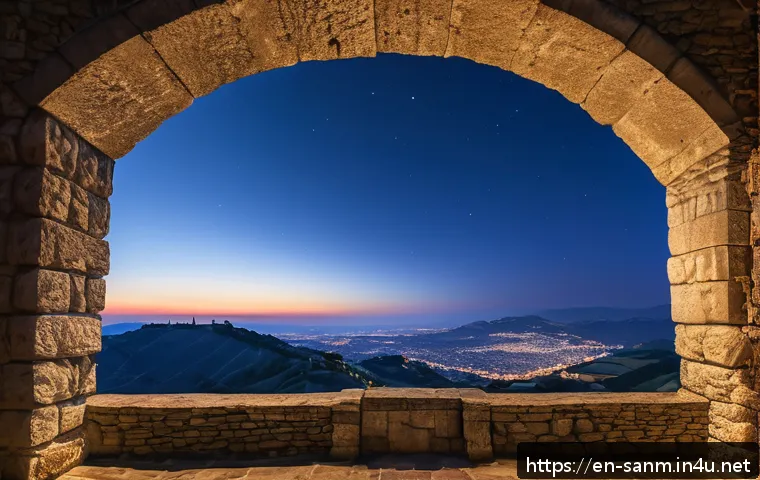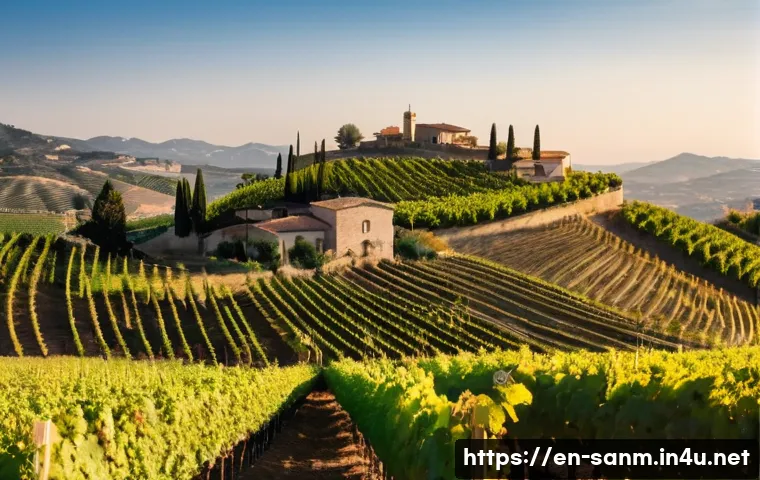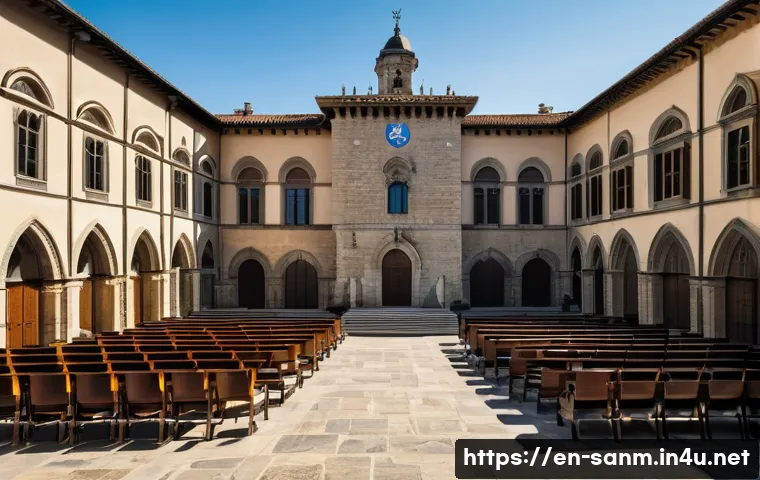
Oh, San Marino! This tiny, ancient republic nestled high in the Apennine Mountains has always held a special place in my heart. When I first visited, I was completely captivated by its breathtaking views and rich history, but what truly intrigued me was the vibrant hum of conversation around me.
You see, while Italian is undeniably the language that binds this microstate to its larger neighbor, Italy, there’s so much more to the story than just “Ciao” and “Grazie.” I quickly discovered a fascinating linguistic tapestry woven with threads of deep tradition and modern life.
It’s not just about what language they speak, but *how* they speak it, how it defines their unique identity, and the subtle shifts happening even now.
If you’re anything like me, you’ll find the blend of familiarity and distinctiveness truly enchanting. Let’s peel back the layers and uncover the linguistic heart of San Marino in detail.
You’re going to love what we find out!
The Melodic Echoes of Italian in San Marino
When I first stepped into San Marino, the air, quite literally, buzzed with the familiar yet distinctly nuanced sounds of Italian. It’s not just “Italian” in a generic sense; it’s a living, breathing dialect that tells a story of its own.
Imagine walking through the narrow cobblestone streets, and every conversation you overhear, every greeting exchanged, carries this beautiful, lyrical quality.
I remember ordering a coffee in a small cafe overlooking the valleys, and the barista, with a twinkle in his eye, corrected my pronunciation of “cappuccino” ever so gently.
It wasn’t just a language lesson; it was an invitation into their culture. This intimate connection to Italian, while understandable given its geographical location, feels more profound here.
It’s the language of daily life, of governmental decrees, and of the heartwarming interactions between locals and visitors alike. It truly felt like stepping into a linguistic hug, embracing you with a sense of both familiarity and unique charm, making you feel right at home while subtly reminding you of its distinct heritage.
More Than Just “Ciao”: The Local Flavor
You might think, “Oh, it’s just Italian,” but there’s a lovely local flavor to it. The Sanmarinese, as I’ve observed, often speak a variant of Romagnol, which is a Gallo-Italic language.
It’s not universally spoken, especially by younger generations, but its influence on the Italian spoken here is unmistakable. For example, some older residents I chatted with during a market visit would occasionally pepper their sentences with words and phrases that, while decipherable, had a distinct rhythm and intonation that set them apart from standard Italian.
It reminded me of how different English sounds in various regions of the UK or the US. I recall buying some local artisanal cheese, and the vendor, a kindly woman with a weathered smile, used a delightful turn of phrase that my Italian dictionary wouldn’t have helped with, but her gestures and the context made it perfectly clear.
It’s these subtle linguistic touches that truly make San Marino’s Italian special.
Navigating Officialdom with Ease
During my visit, I had a small administrative query about parking permits for my rental car, and I had to interact with a local municipal office. My Italian, while functional, isn’t perfect, but I found the officials incredibly patient and clear in their communication.
Everything, from signs to official documents, was in Italian, and it was perfectly understandable. There was no confusion, no need for translation apps, which was a huge relief.
It solidifies the idea that Italian is not just a casual language here but the very bedrock of their society and governance. I appreciated the seamless experience, allowing me to focus on the stunning views rather than struggling with bureaucratic hurdles.
It’s a testament to how deeply ingrained and uniformly applied the language is across all sectors of public life, making interactions incredibly smooth for anyone with a grasp of Italian.
Whispers of Ancient Dialects and Their Enduring Charm
Beneath the widely spoken Italian, San Marino holds onto faint, beautiful echoes of its past through its traditional dialects, primarily a variant of Romagnol.
It’s not something you’ll hear on every street corner, particularly among the younger crowd who are, understandably, more immersed in standard Italian due to media and education.
However, if you spend enough time with the older generations, especially in the more secluded, traditional villages, you might just catch a snippet. I remember a particularly enchanting evening spent at a family-run trattoria.
The nonna, a truly delightful woman, was recounting stories of her youth to her grandchildren, and every now and then, a phrase, a word, would emerge that wasn’t standard Italian.
It had a robust, earthy feel to it, a connection to the land and their history that was almost palpable. It wasn’t just different words; it was a different way of expressing emotions, a legacy passed down through generations.
These moments are linguistic treasures, rare jewels that offer a glimpse into the linguistic soul of the republic.
Tracing the Roots: Romagnol Influence
The Sanmarinese dialect is largely influenced by the Romagnol group, which is quite distinct from Central Italian dialects. It’s a fascinating linguistic branch, often considered a separate language by linguists.
While it’s not officially recognized or promoted as much as Italian, its historical significance cannot be overstated. It was the language of everyday life for centuries, woven into the fabric of families, trade, and local folklore.
I found myself trying to pick out these nuances, comparing them to the Italian I knew, and it was like a historical puzzle. For instance, the pronunciation of certain vowels or the use of specific grammatical structures would hint at this ancient lineage.
It’s a living archive of their heritage, even if its daily use is waning. The preservation efforts, though informal, by families who continue to use it at home are truly inspiring, keeping a piece of their unique identity alive against the currents of linguistic homogenization.
The Silent Struggle: Dialect Preservation
Sadly, like many regional dialects across Europe, the Sanmarinese dialect faces the challenge of preservation. With the pervasive influence of standard Italian television, radio, and education, the younger generations naturally gravitate towards the more universally understood language.
I had a chat with a local teacher during my visit, who expressed a bittersweet sentiment about this. She spoke of the beauty of the dialect but acknowledged the practical realities her students face.
While there aren’t massive official campaigns for dialect revival, the warmth and pride older Sanmarinese feel for their traditional tongue are undeniable.
It’s often passed down informally, through stories, songs, and family conversations. It makes you realize that language isn’t just about communication; it’s about cultural identity, and the potential loss of such a unique dialect is a genuine concern, like losing a piece of their very soul.
Education and the Unifying Power of Language
San Marino’s commitment to education, particularly in solidifying Italian as the primary language, is truly impressive. From the earliest days of schooling, Italian isn’t just taught; it’s the very medium of instruction, ensuring that every child grows up fluent and proficient.
This creates a strong sense of national unity, allowing seamless communication across all sectors of society. I spent some time observing a local school playground – the joyous shouts, the elaborate games, the heartfelt apologies – all articulated perfectly in Italian.
It was a clear demonstration of how effectively the educational system instills this linguistic foundation. It felt like watching a generation being equipped with a powerful tool, not just for academic success but for full participation in their cultural and civic life.
The consistent use of Italian across all subjects means children are immersed, not just learning vocabulary but thinking and conceptualizing in the language, which is key to true fluency.
Building Fluency from the Ground Up
The educational framework in San Marino prioritizes Italian from kindergarten right through to higher education. This structured approach means that children are exposed to and use Italian constantly, developing strong literacy and communication skills.
I recall talking to a young university student who was effortlessly bilingual, speaking both excellent Italian and English. When I asked her about it, she explained how her entire academic journey was in Italian, and it felt completely natural.
It’s not just about grammar and vocabulary; it’s about understanding complex ideas, expressing nuanced thoughts, and engaging in sophisticated discussions—all in Italian.
This comprehensive approach ensures that the language remains vibrant and functional for all future generations, serving as a robust bridge for academic pursuits and professional endeavors, allowing Sanmarinese citizens to interact confidently both at home and abroad.
A Doorway to the World: Italian’s Broader Reach
While Italian is crucial domestically, its international standing also benefits San Marino. Being fluent in Italian gives Sanmarinese citizens access to a much wider world, particularly across Italy and other Italian-speaking communities.
It’s a language of rich culture, history, and commerce, offering numerous opportunities. During my exploration, I met a local entrepreneur who runs a successful online business exporting Sanmarinese crafts.
He told me how communicating directly with his Italian suppliers and a significant portion of his customer base in their shared language was absolutely vital to his success.
He even mentioned how much easier it was to market his products to Italian-speaking countries, reducing language barriers and fostering trust. This demonstrates that the strategic focus on Italian in education isn’t just about local identity; it’s also about empowering citizens to thrive in a broader, interconnected European landscape, offering a clear advantage in an increasingly globalized marketplace.
Media, Tourism, and the Ubiquitous Presence of Italian
It’s almost impossible to spend time in San Marino without realizing just how pervasive Italian is, thanks in large part to media and tourism. Walk into any hotel, restaurant, or shop, and you’ll be greeted in Italian.
The local newspapers, television channels, and radio stations are predominantly in Italian, directly aligning San Marino with Italy’s cultural mainstream.
I found myself browsing a newsstand, picking up a local Sanmarinese paper, and it was entirely in Italian, covering both local and international news.
This linguistic immersion creates a seamless experience for the vast majority of tourists who visit from Italy, and for those from further afield who have even a basic grasp of the language, it makes navigating San Marino incredibly easy and welcoming.
It’s a clear economic and cultural driver, making the republic a truly accessible and enjoyable destination.
Tourist Tides and Linguistic Harmony
San Marino thrives on tourism, and a significant portion of its visitors arrive from Italy. This means that Italian is not just convenient; it’s essential for the tourism industry.
All tourism information, from brochures to guided tours, is primarily offered in Italian. I observed tour guides effortlessly switching between impeccable Italian and sometimes English for diverse groups, but Italian was always the default.
It’s a practical necessity that fosters a strong sense of comfort and familiarity for Italian visitors, making them feel right at home. I even heard a fascinating anecdote from a shop owner about how Italian tourists often express surprise and delight that the local dialect, even if only subtly present, is still part of the Sanmarinese linguistic tapestry, creating an even deeper connection to their visit.
This linguistic harmony ensures smooth interactions, positive experiences, and encourages return visits.
The Digital Stream: Italian Media Dominance
Just like in many smaller nations situated next to a larger linguistic power, Italian media outlets overwhelmingly dominate the airwaves and internet in San Marino.
While San Marino has its own public broadcaster, RTV San Marino, which produces content in Italian, the sheer volume and variety of Italian television, radio, and online content mean that Sanmarinese residents are constantly immersed.
I remember flipping through channels in my hotel room; after RTV San Marino, it was all Italian channels. This constant exposure naturally reinforces Italian as the primary language and ensures a continuous, organic learning process for everyone.
This media landscape isn’t just about entertainment; it shapes cultural norms, linguistic trends, and even political discourse, firmly embedding San Marino within the broader Italian-speaking world, offering a rich tapestry of content that caters to all tastes and interests.
A Cultural Tapestry: How Language Defines Identity
Language in San Marino is more than just a means of communication; it’s a foundational thread in the rich cultural tapestry that defines their unique identity.
While they share Italian with their larger neighbor, the way it’s spoken, the historical nuances, and the very act of using it in their sovereign microstate contribute to a profound sense of self.
It speaks to a history of independence and resilience. I felt this deeply when I saw the ancient fortresses perched atop Mount Titano, observing how the modern Italian spoken below echoed against such enduring symbols of liberty.
It truly highlighted that San Marino isn’t just a place; it’s a living narrative, and language is a key storyteller. This linguistic bond fosters a sense of collective memory and shared heritage, reinforcing their distinct status in the heart of Europe.
Sovereignty in Spoken Word
Despite speaking Italian, San Marino’s sovereignty is powerfully underscored by its linguistic autonomy. They aren’t simply absorbing Italian culture; they are actively using and shaping the language within their own independent state.
This subtle distinction is incredibly important. It’s their Italian, used in their parliament, their courts, and their daily lives, demonstrating their self-governance.
I had a chance to visit the San Marino State Library, and seeing official historical documents written in Italian, dating back centuries, truly drove this point home.
It wasn’t just a colonial imposition; it was the chosen language of a free people. This demonstrates a fascinating interplay between linguistic commonality and political independence, proving that a shared language doesn’t diminish a unique national identity but can, in fact, empower and define it in subtle yet significant ways.
Language as a Bridge, Not a Barrier
Instead of being a barrier, the shared Italian language acts as a powerful bridge for San Marino. It allows them to maintain strong cultural, economic, and political ties with Italy and the broader European Union, fostering cooperation and understanding.
This common linguistic ground facilitates everything from trade agreements to cultural exchanges, enriching both entities. I spoke with a local artist who regularly exhibits her work in Italian galleries, and she emphasized how the shared language made collaborations effortless, allowing her art to transcend borders.
It’s a practical advantage, enabling San Marino to participate fully in regional dialogues and global initiatives without the immediate need for extensive translation or interpretation.
It allows San Marino to project its unique voice clearly and effectively onto a larger stage, fostering connections and opportunities that might otherwise be more challenging to secure.
Embracing the Future: Multilingualism on the Rise
While Italian firmly holds its ground as the official language, San Marino isn’t a linguistic monolith. There’s a palpable sense of openness to other languages, particularly English, driven by globalization and the ever-increasing flow of international tourism.
It’s not uncommon to hear snatches of English, German, or French in the bustling tourist areas, especially around the major sights like the Three Towers.
This embrace of multilingualism is a pragmatic step towards connecting with a wider world and ensuring visitors feel welcome and understood. I noticed many younger Sanmarinese, especially those working in hospitality or tourism, have an impressive command of English.
It really struck me how forward-thinking this small republic is, understanding that while tradition is vital, adapting to modern linguistic needs is equally important for continued success and relevance on the international stage.
English: The Language of Global Connection
English, in particular, is gaining significant traction, primarily due to its status as the international language of business and tourism. For a country that relies heavily on its tourist industry, having English speakers is a major asset.
I found most hotel staff and many shopkeepers were perfectly capable of conversing in English, making my interactions incredibly smooth. It felt like a conscious effort to cater to a diverse range of visitors, which, from a traveler’s perspective, is hugely appreciated.
This isn’t about replacing Italian; it’s about adding another layer of accessibility and enhancing the visitor experience. The push for English education is clearly visible, with younger generations often demonstrating remarkable fluency, opening up global opportunities for them beyond San Marino’s borders, whether in international business, education, or simply personal travel.
Beyond Italian: A Rich Linguistic Landscape
Beyond Italian and the lingering dialects, you’ll find a fascinating, albeit subtle, linguistic diversity in San Marino. The presence of tourists and a small expatriate community means that various other languages contribute to the sonic backdrop of the republic.
While not widely spoken by locals, the exposure to these different tongues adds to the country’s cosmopolitan feel. It’s a testament to San Marino’s welcoming nature and its role as a point of convergence for people from all corners of the globe.
I remember sitting at a café, enjoying an espresso, and hearing snippets of conversations in at least three different languages around me. It underscored the point that even in a microstate, the world finds its way in, bringing with it a vibrant, evolving linguistic mix that enriches the cultural experience for everyone.
| Aspect of Language | Details in San Marino | My Personal Observation/Experience |
|---|---|---|
| Official Language | Italian | Used universally in administration, education, and daily life. Felt very natural and unforced. |
| Traditional Dialects | Primarily Romagnol variant | Heard from older generations, especially during casual conversations in local eateries or markets. A lovely, subtle difference. |
| Educational Focus | Strong emphasis on Italian from early schooling. | Young people, even university students, demonstrated excellent fluency, showing the effectiveness of the system. |
| Tourism Language | Italian is primary, English increasingly common. | Most tourist-facing staff spoke English, but Italian was always the default and most comprehensive option. |
| Media Consumption | Dominated by Italian TV, radio, and online content. | Local news was in Italian, and switching channels revealed a plethora of Italian programming. |
Communicating with Confidence: Practical Tips for Visitors
For anyone planning a trip to San Marino, knowing a little about the language situation can truly enhance your experience. While Italian is definitely the key, you shouldn’t feel daunted if your Italian isn’t fluent.
The Sanmarinese are genuinely welcoming and accustomed to visitors from all over the world. My personal experience was that a little effort goes a long way.
Even a few basic phrases in Italian—”Ciao,” “Grazie,” “Per favore”—can open doors to warmer interactions and show respect for the local culture. It’s amazing how a simple attempt at their language can bring a smile to someone’s face and often lead to them happily switching to English if they can.
It’s not just about getting by; it’s about enriching your journey and connecting with the wonderful people of this ancient republic on a more personal level.
Essential Phrases to Get By
You don’t need to be a polyglot to enjoy San Marino. Learning a few key Italian phrases will not only help you navigate but also show respect for the local culture.
I always make an effort to learn greetings, basic questions, and polite expressions whenever I travel, and it paid off handsomely here. Things like “Buongiorno” (Good morning), “Buonasera” (Good evening), “Mi scusi” (Excuse me), and “Quanto costa?” (How much does it cost?) are incredibly useful.
Trust me, I butchered a few pronunciations, but the locals always appreciated the effort. It creates a bridge, even if a small one, that makes your interactions smoother and more enjoyable.
Plus, it’s a fun way to engage with the culture and feel a little more like a local, rather than just a tourist passing through.
When English Comes to the Rescue
Fear not if your Italian vocabulary runs out after “gelato”! You’ll find that in most tourist-centric areas—hotels, larger restaurants, and gift shops—English is widely understood and spoken, especially by younger staff.
I recall once getting completely tongue-tied trying to ask for a specific type of local craft, and the shop assistant immediately and kindly switched to flawless English, explaining everything with a warm smile.
It was a huge relief and just goes to show how accommodating the Sanmarinese are. So, while making an effort with Italian is always appreciated, don’t hesitate to ask, “Do you speak English?” if you find yourself struggling.
It means you can relax, enjoy your visit, and still gather all the information you need, ensuring a stress-free and pleasant trip through this beautiful microstate.
Wrapping Things Up
As we wrap up our linguistic journey through San Marino, it’s clear that the Italian language isn’t just a tool for communication here; it’s the very soul of this fascinating microstate. From the bustling market squares to the serene government halls, Italian flows with a unique Sanmarinese rhythm, welcoming visitors and uniting citizens. My time here truly underscored how deeply language intertwines with identity, history, and the daily fabric of life, creating a tapestry that is both familiar and distinctly charming. It’s been an absolute delight to share these observations with you, hoping it inspires your own linguistic explorations.
Useful Information to Know
1. Italian is Your Best Friend: While many in tourist areas speak some English, Italian is the official language and knowing even a few basic phrases will significantly enhance your experience. Don’t be shy to try! Locals genuinely appreciate the effort, often leading to warmer interactions and a more authentic visit. It’s a key to unlocking deeper cultural connections.
2. Dialects Are a Historical Gem: You might occasionally hear older generations speaking a Romagnol variant. While not widely used, these dialects are a beautiful, living link to San Marino’s past. If you happen to catch a snippet, consider it a rare and special glimpse into their rich heritage, a testament to enduring local identity.
3. Education Prioritizes Fluency: San Marino’s robust education system ensures Italian proficiency from a young age. This means you’ll find a high standard of Italian spoken everywhere, making communication straightforward. It’s a testament to their commitment to a unified linguistic foundation, fostering seamless societal interactions.
4. Media is Predominantly Italian: Expect local news, TV, and radio to be in Italian. This constant immersion reinforces the language’s prevalence and helps maintain San Marino’s cultural ties with Italy. For travelers, it offers a great opportunity to practice listening skills, even passively, making your linguistic immersion effortless.
5. Multilingualism is Growing: Driven by tourism and global connections, English is increasingly common, especially among younger Sanmarinese and those in hospitality. So, if your Italian falters, don’t panic; there’s usually someone around who can help you out in English, ensuring a stress-free and pleasant stay.
Key Takeaways
San Marino is a testament to how a shared language, in this case Italian, can deeply define a nation’s identity, history, and daily life while maintaining distinct sovereignty. My journey revealed a vibrant linguistic landscape where standard Italian forms the bedrock of society, education, and tourism, subtly influenced by historical dialects. The increasing embrace of English further showcases the republic’s forward-thinking approach to global connectivity. Whether you’re a seasoned linguist or a casual traveler, the language of San Marino offers a captivating insight into its unique charm and resilient spirit.
Frequently Asked Questions (FAQ) 📖
Q: When I finally make it to San Marino, what language will I hear spoken most often by the locals?
A: Oh, this is such a fantastic question, and one I get all the time! From my very first steps into that enchanting republic, what struck me immediately was the melody of Italian filling the air.
It’s absolutely the official language, and you’ll find everyone, from the friendly shopkeepers in Città di San Marino to the folks enjoying an espresso in a quiet piazza, speaking beautiful standard Italian.
So, if you’ve brushed up on your Italian phrases, you’re absolutely golden! But here’s where it gets really interesting – beneath that beautiful surface, there’s a vibrant undercurrent of a local dialect.
It’s called Sammarinese, and it’s actually a variant of the Romagnol dialect spoken in the surrounding Italian region. While Italian is what you’ll encounter in official capacities and generally hear most often in public, especially with tourists around, the Sammarinese dialect is definitely alive and well, especially in more informal settings, among older generations, and within families.
It truly adds another layer to the already rich cultural tapestry, and if you listen closely, you might catch snippets of it, which is always a delightful little linguistic easter egg!
Q: Is the local Sanmarinese dialect hard to understand, even if I speak some Italian?
A: That’s a super perceptive question, and from my own experience, I can tell you there’s definitely a noticeable difference! Think of it like this: if you’re fluent in standard Italian, you’ll likely understand the gist of what’s being said in Sammarinese, especially if it’s spoken slowly.
But it’s not like simply having a regional accent. The Sammarinese dialect, being a Romagnol variant, has its own unique vocabulary, grammar, and even pronunciation quirks that can make it quite challenging for someone only familiar with standard Italian.
I remember trying to follow a conversation once between some older locals, and while I caught a few words, it felt almost like listening to a different language at times!
It’s less a dialect in the way a Florentine or Roman accent might be, and more akin to a distinct linguistic branch. However, please don’t let this concern you for your visit.
Every single person you’ll encounter in tourist-facing roles, and honestly, almost everyone across the board, is perfectly fluent in standard Italian.
You’ll have no trouble communicating, buying souvenirs, ordering food, or asking for directions using standard Italian. The dialect is more of a cultural treasure than a practical barrier for visitors.
Q: Beyond Italian and the local dialect, are there any other languages commonly spoken in San Marino, especially for international visitors?
A: Excellent point! San Marino, despite its size, is a hugely popular international destination, and the locals are very accustomed to visitors from all corners of the globe.
While Italian is king, and the Sammarinese dialect adds local flavor, you’ll find that English is quite widely understood, especially in tourist areas, hotels, restaurants, and shops.
Many people involved in the tourism industry have a good grasp of English, and I’ve personally had no trouble navigating my way around using just English when my Italian wasn’t quite up to snuff.
Beyond English, you’ll also find some understanding of German and French, given the number of tourists who travel from those countries. It’s always a good idea to know a few basic Italian phrases – a “Ciao,” a “Grazie,” or “Prego” goes a long way and is always appreciated – but you certainly won’t feel lost if English is your primary language.
The Sammarinese are wonderfully welcoming, and they’re usually happy to bridge any language gaps to ensure you have a fantastic experience in their beautiful country.