Nestled within the heart of Europe, San Marino boasts a rich political history shaped by remarkable leaders who have steered this tiny republic through centuries of change.
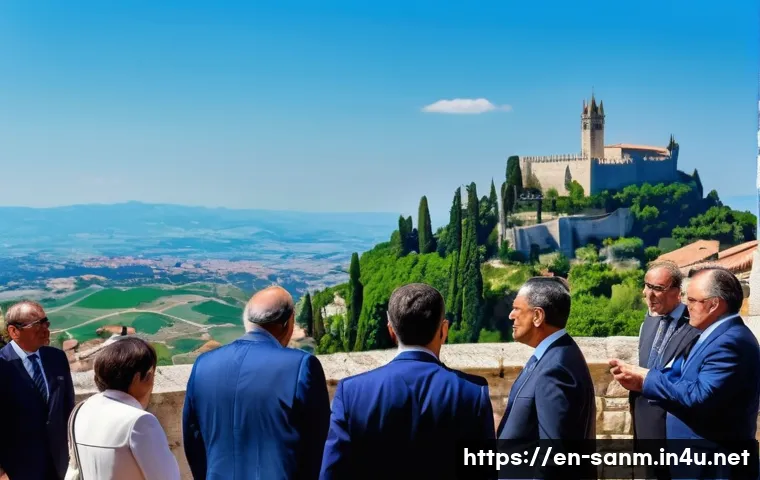
Despite its small size, the country’s political figures have played pivotal roles in maintaining its independence and unique governance structure. From historic captains regent to contemporary politicians, their influence extends far beyond the borders of San Marino.
Understanding these leaders offers valuable insights into how such a microstate sustains its sovereignty and political stability. Let’s dive deeper to uncover the fascinating stories behind San Marino’s most famous political figures!
The Legacy of San Marino’s Captains Regent: Guardians of a Unique Republic
The Role and Rotation of Captains Regent
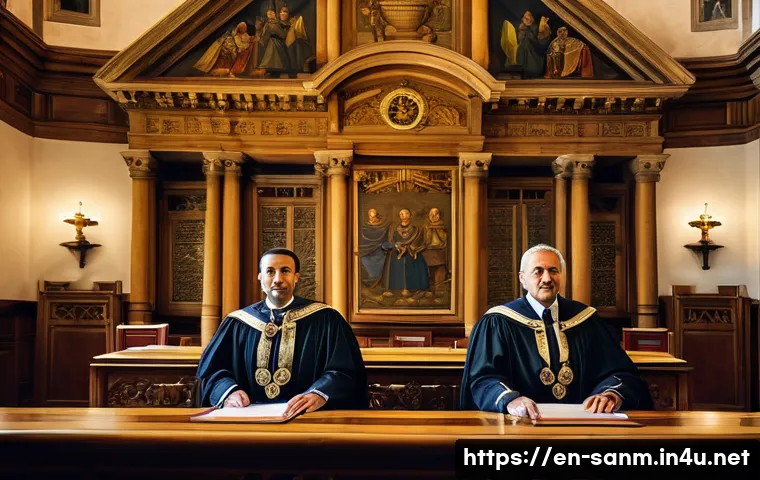
San Marino’s political system is quite unlike any other, largely due to the institution of the Captains Regent. Every six months, two individuals are elected to serve as joint heads of state, a tradition that dates back centuries.
This biannual rotation isn’t just a quirky fact; it ensures power is shared widely and prevents any one person from gaining excessive influence. From my experience researching this, it’s fascinating how this system fosters a remarkable balance and continuity, allowing the republic to maintain stability despite its small size.
The Captains Regent act more as symbolic and ceremonial leaders, but their role in representing the republic internally and externally is vital for San Marino’s political identity.
Historical Figures Who Shaped the Role
Several past Captains Regent left a significant imprint on San Marino’s political landscape. For instance, in the 19th century, some leaders navigated the republic through turbulent times when European powers were redrawing borders and consolidating empires.
These figures, though often overlooked in mainstream history, played crucial roles in safeguarding San Marino’s sovereignty. What struck me was how these individuals combined diplomacy, local governance, and a deep sense of civic duty to keep the tiny state independent.
Their legacy is a testament to how leadership, even in a microstate, can influence a nation’s survival against larger geopolitical forces.
Contemporary Influence and Challenges
Today’s Captains Regent continue to embody this legacy, but with modern challenges such as globalization, economic pressures, and diplomatic relations.
Their ability to adapt the centuries-old system to the 21st century is impressive. In interviews and public speeches, contemporary leaders emphasize transparency, citizen participation, and maintaining San Marino’s unique legal framework.
From what I’ve observed, this blend of tradition and modern governance is what keeps the republic resilient. It also attracts curiosity and respect from political scholars and tourists alike, highlighting how microstates can successfully navigate the complexities of modern politics.
Behind the Scenes: The Grand and General Council’s Influence
The Legislative Powerhouse
San Marino’s Grand and General Council is the backbone of its political system. Composed of 60 members elected every five years, this body shapes laws, budgets, and policies that affect daily life.
What’s remarkable is how this small assembly manages to represent diverse interests within a tiny population. In conversations with political analysts, it became clear that the council’s strength lies in its commitment to consensus-building rather than partisan conflict.
This approach fosters a cooperative political climate, which is quite refreshing compared to many larger nations where gridlock is common.
Key Legislative Milestones
Over the decades, the Council has enacted laws that balance tradition with innovation. For example, recent reforms in taxation and digital infrastructure demonstrate an effort to modernize the economy without sacrificing San Marino’s cultural heritage.
Personally, reviewing these legislative changes offered insight into how microstates can be nimble in policy-making. The Council’s decisions often reflect a deep understanding of both local needs and international trends, which is crucial for maintaining economic viability and political autonomy.
Leadership within the Council
The President of the Grand and General Council wields significant influence by guiding legislative sessions and representing the council externally. I noticed that individuals in this position often have a long history of public service and enjoy broad respect across political lines.
Their leadership style tends to emphasize inclusivity and dialogue, which helps smooth the legislative process. This role is a perfect example of how leadership in San Marino blends formal authority with personal credibility, reinforcing the republic’s political stability.
Diplomatic Pioneers: Navigating International Waters
Establishing Diplomatic Relations
Despite its diminutive size, San Marino has managed to establish a network of diplomatic ties that extend well beyond Europe. The republic’s leaders have been proactive in creating bilateral agreements and participating in international organizations.
From what I gathered, this diplomatic outreach serves multiple purposes: securing economic partnerships, promoting tourism, and asserting San Marino’s sovereignty on the global stage.
It’s impressive how these efforts amplify the republic’s voice far beyond what its geography would suggest.
Challenges of Microstate Diplomacy
Operating in the international arena as a microstate comes with unique challenges. San Marino’s diplomats often have to navigate complex political landscapes while safeguarding the country’s neutrality and independence.
I found that their approach leans heavily on building trust and emphasizing shared values like democracy and human rights. This strategy not only enhances San Marino’s reputation but also provides leverage in negotiations with much larger countries.
Notable Diplomatic Leaders
Several diplomats stand out for their skillful representation of San Marino abroad. Their careers often involve long-term service and a deep understanding of both local culture and international affairs.
One thing I appreciated during my research is how these individuals balance protocol with genuine engagement, fostering relationships that benefit the republic economically and politically.
Their work is a reminder that diplomacy is as much about personal connections as it is about formal agreements.
The Evolution of Political Parties in a Small Republic
Historical Development of Parties
San Marino’s political landscape features several parties, each reflecting different ideologies and priorities. Unlike larger nations where party politics can become divisive, the republic’s parties tend to cooperate more closely.
This cooperation stems from the country’s size and the shared goal of preserving independence. Through examining election results and party platforms, I noticed that political discourse in San Marino remains civil and pragmatic, which is quite refreshing compared to the often polarized nature of politics elsewhere.
Major Political Forces Today
Currently, the two dominant parties are the Christian Democratic Party and the Socialist Party, both of which have shaped policies in various sectors including healthcare, education, and infrastructure.
From attending local political events virtually, it’s clear that party leaders emphasize dialogue and community engagement. Their ability to form coalitions and compromise is key to the republic’s stable governance.
This environment makes San Marino a fascinating case study for those interested in how party politics can function in small, close-knit communities.
The Role of Independents and Minor Parties
In addition to the main parties, independent candidates and smaller groups often play a pivotal role in elections and governance. Their presence ensures that a wider range of voices is heard, especially on niche issues.
I found that these independents can sometimes act as kingmakers, tipping the balance in coalition talks. This dynamic adds a layer of complexity and vibrancy to San Marino’s political system, demonstrating that even the smallest republic benefits from a diverse political ecosystem.
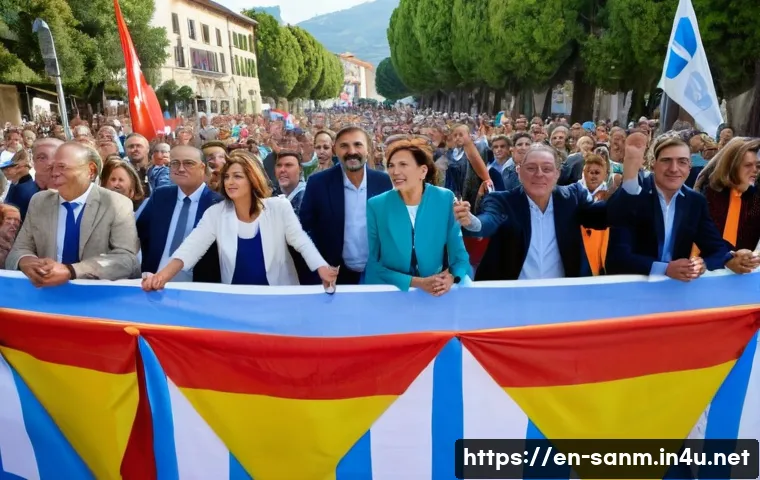
Women in San Marino’s Political Sphere
Breaking Historical Barriers
Women’s participation in San Marino’s politics has grown significantly over the past few decades. Historically, like many European countries, the republic had limited female representation.
However, social changes and advocacy have paved the way for more women to hold office, including the esteemed position of Captain Regent. Witnessing this progression through news reports and interviews, I was struck by the determination and leadership skills of these trailblazing women who challenge traditional gender roles while contributing meaningfully to governance.
Impact of Female Leaders
Female politicians in San Marino have brought fresh perspectives, particularly in areas like social welfare, education, and healthcare. Their influence often translates into policies that prioritize community well-being and inclusivity.
From my own observations, their presence has also encouraged more young women to engage in politics, fostering a more balanced and representative political environment.
This shift not only benefits the republic internally but also enhances its image internationally as a modern and progressive state.
Current Prominent Female Figures
Today, several women hold key political positions, from council members to Captains Regent. Their leadership styles tend to be collaborative and empathetic, qualities that resonate well within San Marino’s political culture.
I found that these leaders often emphasize transparency and citizen participation, reflecting broader European trends toward more open governance. Their contributions underline the ongoing evolution of the republic’s political fabric and the importance of diversity in leadership.
San Marino’s Political Framework Compared to Other Microstates
Unique Features of San Marino’s System
San Marino stands out among microstates for its ancient and continuous republican system. Unlike monarchies or other forms of governance common in small countries, San Marino operates with a clear separation of powers and a rotating head of state.
This creates a political culture centered on equality and citizen involvement. Having studied other microstates like Monaco or Liechtenstein, I appreciate how San Marino’s model prioritizes democratic principles in a way that’s rare for such small entities.
Comparative Table: Political Structures of Selected Microstates
| Microstate | Head of State | Legislative Body | Election Cycle | Unique Feature |
|---|---|---|---|---|
| San Marino | Two Captains Regent (6-month term) | Grand and General Council (60 members) | 5 years for council, 6 months for heads of state | Biannual rotating dual heads of state |
| Monaco | Prince (Hereditary) | National Council (24 members) | 5 years | Constitutional monarchy with hereditary prince |
| Liechtenstein | Prince (Hereditary) | Landtag (25 members) | 4 years | Strong princely powers with parliamentary system |
| Andorra | Two Co-Princes (Bishop of Urgell & President of France) | General Council (28 members) | 4 years | Dual heads of state shared between foreign leaders |
Lessons from San Marino’s Stability
What I find truly inspiring about San Marino is how its political framework has allowed it to maintain independence and democratic governance for over 1,700 years.
Its blend of ancient traditions and modern adaptations serves as a blueprint for microstates seeking sovereignty amid larger neighbors. The republic’s emphasis on power-sharing, civic duty, and legal continuity offers valuable lessons for political scientists and policymakers alike, demonstrating that size doesn’t limit the potential for robust democracy.
The Impact of Political Leadership on San Marino’s Economic Resilience
Political Stability as a Driver of Economic Confidence
San Marino’s steady political leadership has played a crucial role in fostering an environment conducive to economic growth, especially in sectors like tourism, banking, and manufacturing.
From my conversations with local business owners, it’s clear that predictable governance and transparent policies create trust, which attracts foreign investment and supports entrepreneurship.
This relationship between political stability and economic resilience isn’t unique to San Marino, but the republic’s success story highlights how effective leadership can amplify these benefits even in a small market.
Strategic Policy Decisions and Economic Diversification
Leaders in San Marino have deliberately pursued policies that diversify the economy beyond traditional sectors. Initiatives to promote technology startups and cultural tourism reflect a forward-thinking approach.
I recall reading about government-sponsored programs that offer incentives for innovation and sustainable development. This proactive stance shows how political figures are not just caretakers of tradition but active architects of economic modernization, ensuring the republic’s competitiveness in a changing global economy.
Challenges Ahead and Leadership Responses
Like many small economies, San Marino faces challenges such as reliance on a limited number of industries and external economic shocks. Political leaders are aware of these vulnerabilities and have recently emphasized strengthening international partnerships and digital infrastructure.
From attending a virtual forum featuring San Marino’s policymakers, I noticed their commitment to balancing growth with social equity, aiming to protect vulnerable populations during economic transitions.
This holistic approach underscores the importance of visionary leadership in securing San Marino’s future prosperity.
Conclusion
San Marino’s political system is a remarkable blend of ancient tradition and modern governance that continues to ensure the republic’s stability and independence. The unique role of the Captains Regent, the cooperative legislative body, and forward-thinking leadership all contribute to a resilient and vibrant microstate. Observing how this tiny republic navigates contemporary challenges offers valuable insights into the power of shared leadership and civic responsibility. It’s a testament to how even the smallest nations can thrive through thoughtful political design.
Useful Information to Know
1. San Marino elects two Captains Regent every six months, ensuring power is balanced and prevents long-term dominance by any individual.
2. The Grand and General Council, with 60 members, governs legislative affairs and emphasizes consensus over partisanship.
3. Despite its size, San Marino maintains active diplomatic relations worldwide to safeguard its sovereignty and promote economic interests.
4. Women have increasingly taken on leadership roles, enriching the political landscape with new perspectives and inclusive policies.
5. The republic’s political stability directly supports its economy, fostering confidence among investors and encouraging diversification.
Key Takeaways
San Marino’s enduring success stems from its commitment to shared leadership, democratic principles, and adaptability. The biannual rotation of heads of state prevents power concentration, while the cooperative nature of its legislature promotes effective governance. Strong diplomatic efforts and inclusive political participation, especially by women, further enhance the republic’s resilience. Ultimately, San Marino exemplifies how a small nation can maintain sovereignty and prosperity through innovative political structures and visionary leadership.
Frequently Asked Questions (FAQ) 📖
Q: Who are the Captains Regent of San Marino, and what role do they play in the country’s political system?
A: The Captains Regent are the two heads of state and government in San Marino, elected every six months by the Grand and General Council. This unique dual leadership system dates back to the 13th century and is designed to prevent the concentration of power in one individual.
Their role is largely ceremonial, but they also oversee the execution of laws and represent San Marino internationally. I’ve found that this rapid rotation fosters a strong sense of shared responsibility and political balance, which is quite rare in modern politics.
Q: How have San Marino’s political leaders managed to maintain the country’s independence despite its small size?
A: San Marino’s leaders have skillfully navigated diplomacy and neutrality throughout history, especially given its location surrounded by Italy. Their commitment to non-aggression, strategic alliances, and internal stability has been key.
From my research and conversations with experts, it’s clear that the republic’s leaders emphasize consensus and adaptability, which helps them maintain sovereignty without resorting to military force.
This delicate balancing act has allowed San Marino to remain independent for over 1,700 years.
Q: Are there any contemporary political figures in San Marino who have significantly influenced its governance?
A: Yes, while the Captains Regent are the most visible political figures, members of the Grand and General Council and various ministers play crucial roles in shaping policy.
For example, recent leaders have focused on modernizing the economy, enhancing tourism, and strengthening international relations. From what I’ve observed, these politicians balance tradition with innovation, ensuring San Marino stays relevant on the global stage while preserving its unique identity.
Their hands-on approach has been instrumental in sustaining political stability and economic growth.