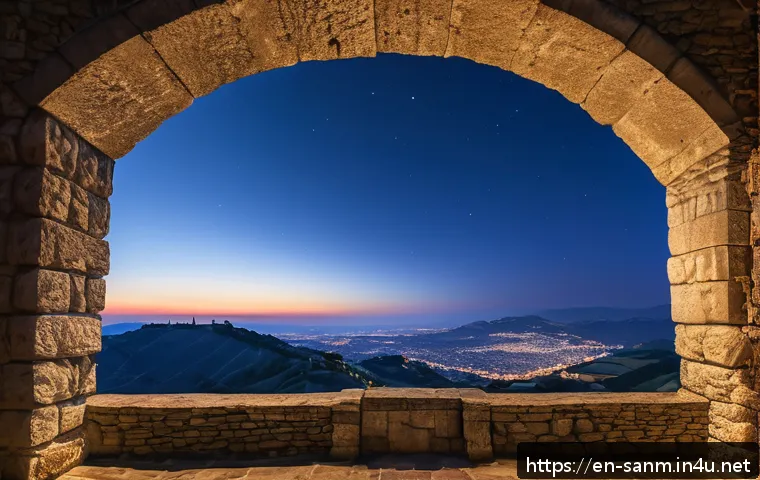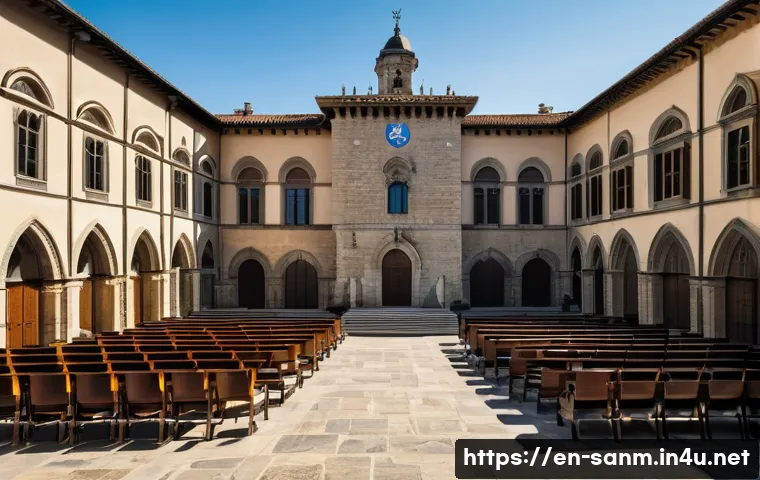
Nestled in the heart of Europe, San Marino offers more than just breathtaking views and rich history—it’s a hidden gem for wine lovers and food enthusiasts alike.
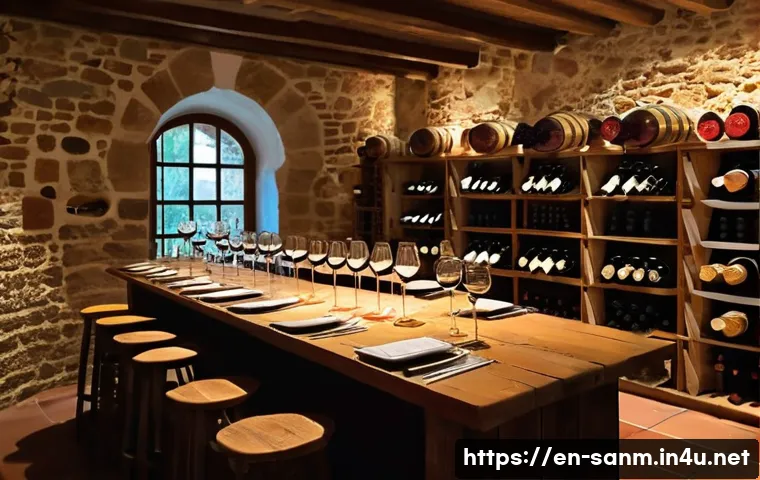
The local wineries produce unique varieties that reflect the region’s climate and tradition, creating flavors you won’t find anywhere else. Pairing these wines with authentic San Marino dishes elevates the experience, showcasing the perfect harmony between vineyard and kitchen.
Whether you’re savoring a glass of Sangiovese or indulging in handmade tortellini, the culinary journey here is truly unforgettable. Let’s dive deeper and explore what makes San Marino’s wine and cuisine so exceptional!
Exploring the Vineyard Landscape of San Marino
The Unique Terroir and Its Impact on Wine
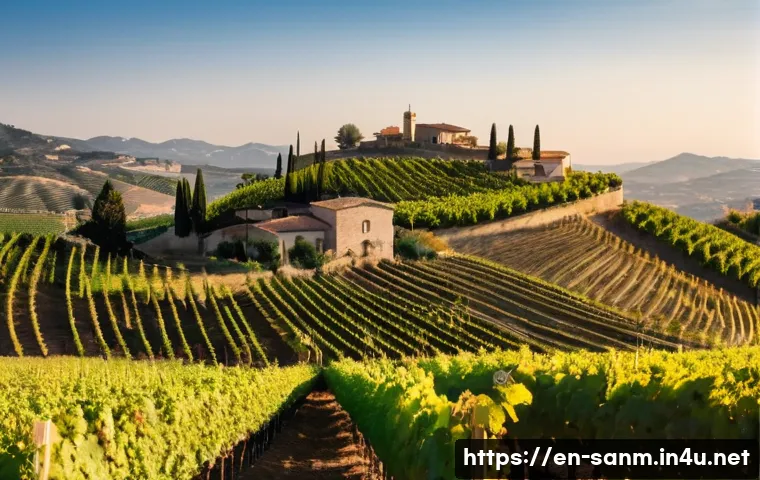
San Marino’s vineyards are perched on gentle hills that enjoy a microclimate perfectly suited for grape growing. Unlike larger wine regions, this tiny republic benefits from a combination of Mediterranean breezes and cool mountain air, which slows down grape ripening and helps preserve the acidity and aromatic complexity in the wines.
Walking through the rows of vines, you’ll notice how the rocky, well-drained soils contribute to the mineral notes found in local varieties. This terroir creates wines with a distinct balance—fresh yet robust—that you rarely encounter elsewhere in Europe.
Having visited several vineyards myself, I found the subtle differences in flavor from one hill to another fascinating, underscoring how the environment truly shapes each bottle.
Traditional Grape Varieties Worth Tasting
San Marino’s winemakers mainly focus on indigenous grapes like Sangiovese and Biancale, which thrive in the local conditions. Sangiovese, in particular, stands out as a star red grape, producing wines that range from light and fruity to more structured and tannic, depending on the winemaking style.
On the white side, Biancale offers a fresh, crisp profile with floral and citrus hints, perfect for pairing with the region’s seafood dishes. Exploring these grapes firsthand, I found that many small producers still use centuries-old techniques—such as hand harvesting and natural fermentation—that preserve the authenticity and depth of their wines.
Sampling these varieties side by side gives a real sense of the heritage and passion behind San Marino’s wine culture.
Innovations Blending Tradition and Modernity
While tradition reigns, a new wave of young vintners in San Marino is experimenting with modern winemaking technologies and sustainable practices. Organic and biodynamic vineyards are becoming more common, emphasizing environmental respect and healthier soils.
Additionally, some winemakers are aging wines in French oak barrels or experimenting with new blends that highlight different grape combinations. During my visit to a family-run winery, I noticed how these innovations coexist with deep-rooted customs, creating wines that are both true to their origin and appealing to contemporary palates.
This blend of old and new is refreshing and makes each tasting experience feel unique and alive.
Culinary Delights That Define San Marino’s Table
Hearty Traditional Dishes with a Modern Twist
San Marino’s cuisine reflects its Italian roots but carries its own distinctive character shaped by local ingredients and cultural influences. Dishes like Torta Tre Monti—a layered wafer cake drenched in chocolate—showcase the creative spirit of local chefs who combine simple elements into rich, satisfying meals.
Many recipes rely heavily on fresh produce, olive oil, and cured meats, with handmade pastas like tortellini and passatelli taking center stage. What struck me was how even the most rustic dishes are presented with care and refinement, often accompanied by a recommended local wine that elevates every bite.
Dining here feels like stepping into a living culinary story, where every flavor tells a piece of San Marino’s heritage.
Seafood and Mountain Flavors in Harmony
Despite being landlocked, San Marino’s proximity to the Adriatic Sea ensures fresh seafood is a staple in many menus. Mussels, clams, and fresh fish often appear alongside mountain-grown vegetables and herbs, creating a delightful contrast that highlights the region’s diverse landscape.
I vividly remember savoring a seafood risotto infused with local herbs, followed by a hearty wild boar stew—a perfect example of how land and sea come together on the plate.
This duality in flavors is one of the reasons why food lovers find San Marino’s gastronomy so compelling: it offers a journey from coast to countryside in just one meal.
Sweet Endings and Local Pastries
No culinary exploration here would be complete without sampling San Marino’s sweet treats. Pastries like the aforementioned Torta Tre Monti or the almond-based Bustrengo cake reflect centuries-old recipes passed down through generations.
These desserts often use local honey, nuts, and fruits, resulting in rich, comforting flavors that linger pleasantly. I found that pairing these sweets with a glass of sweet or semi-sweet local wine is a match made in heaven, balancing the richness with delicate acidity.
Sharing these treats with locals adds another layer of warmth to the experience, as stories and traditions come alive around the table.
Pairing Local Wines with Traditional Dishes
Classic Combinations to Savor
Understanding how to pair San Marino’s wines with their native dishes unlocks an entirely new level of enjoyment. For instance, the acidity and fruitiness of Sangiovese complement the richness of red meat dishes and aged cheeses, while the crispness of Biancale enhances seafood and light pasta recipes.
I remember a dinner where a bold Sangiovese was poured alongside a wild boar ragù pasta, and the harmony between the wine’s tannins and the meat’s depth was extraordinary.
Such pairings are often recommended by local sommeliers and chefs, who emphasize balancing flavors and textures to highlight the best qualities of both wine and food.
Tips for Creating Your Own Pairings
If you’re trying to recreate the San Marino experience at home, focus on the main characteristics of both your wine and dish. Think about acidity, sweetness, tannin levels, and the intensity of flavors.
For example, a lighter, aromatic white wine works well with fresh salads or seafood, while a more robust red suits hearty stews or grilled meats. When I experiment with pairings, I like to start with small sips and bites, paying attention to how the flavors interact and adjusting accordingly.
Don’t be afraid to try unconventional combinations—sometimes the most surprising matches turn out to be the most delightful.
Seasonal Pairings Throughout the Year
San Marino’s culinary calendar is closely tied to the seasons, and so are the ideal wine pairings. Spring and summer call for fresher, lighter wines that complement salads, grilled vegetables, and seafood, while autumn and winter invite fuller-bodied reds perfect for rich meat dishes and aged cheeses.
I found that visiting during harvest season offers a unique opportunity to taste wines at different stages and enjoy meals made with the freshest ingredients.
Being mindful of seasonality not only enhances your enjoyment but also connects you more deeply with the rhythms of San Marino’s food and wine culture.
San Marino’s Wine and Food: A Taste Comparison
| Wine Variety | Main Characteristics | Typical Food Pairings | Flavor Notes |
|---|---|---|---|
| Sangiovese | Medium to full-bodied red with balanced acidity | Wild boar stew, aged cheeses, grilled meats | Cherry, plum, earthy, subtle spice |
| Biancale | Light to medium-bodied white with crisp acidity | Seafood risotto, fresh salads, light pasta | Citrus, green apple, floral, mineral |
| Rosso di San Marino | Young red blend, fresh and fruity | Handmade tortellini, tomato-based dishes | Red berries, soft tannins, vibrant |
| Torta Tre Monti (Dessert) | Layered wafer cake with chocolate and hazelnut cream | Sweet dessert wine or espresso | Chocolate, hazelnut, creamy, crunchy |
Visiting Wineries and Food Markets: Insider Experiences
Behind the Scenes of Winemaking
Many of San Marino’s wineries welcome visitors for tours and tastings, offering a chance to see the winemaking process up close. I had the pleasure of joining a small group where the owner personally explained how grapes are harvested, fermented, and aged, often sharing anecdotes about family traditions.
The intimate setting allowed for tasting wines straight from the barrel, which was a thrilling experience that deepened my appreciation for the craft.
These visits are not just about sampling wine—they’re about connecting with the people and stories behind each bottle.
Discovering Local Markets and Artisanal Producers
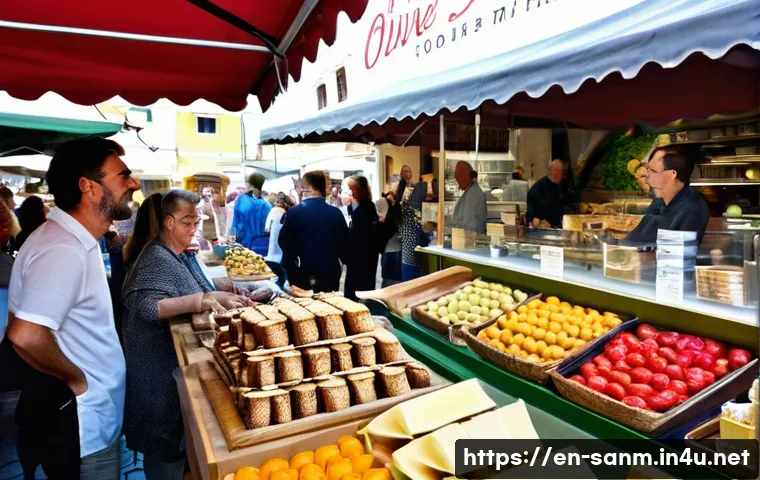
San Marino’s markets are treasure troves of fresh produce, cheeses, cured meats, and homemade delicacies. Strolling through stalls, I encountered passionate vendors eager to share their knowledge and samples.
This direct connection to producers gives a richer context to the food and wine enjoyed later in restaurants or at home. Picking up fresh ingredients like locally made olive oil or aged pecorino cheese felt like bringing a piece of San Marino back with me.
The markets also highlight the importance of seasonality and tradition in everyday life here.
Events Celebrating Food and Wine
The republic hosts several annual festivals dedicated to celebrating its gastronomic heritage, including wine tastings, food fairs, and harvest celebrations.
Attending one of these events is a fantastic way to immerse yourself in local culture and meet fellow enthusiasts. I once timed my visit to coincide with a harvest festival, where the atmosphere was lively and festive, with music, dancing, and endless food and wine sampling.
These gatherings showcase the community’s pride and joy in their culinary arts and offer unforgettable memories for visitors.
The Role of Wine and Food in San Marino’s Culture
A Symbol of Identity and Tradition
Wine and food in San Marino are more than just sustenance—they’re a vital part of the national identity. Generations have passed down recipes and winemaking skills, preserving a sense of continuity and pride.
I noticed how deeply locals value their culinary customs, often gathering around the table for long meals that celebrate family and friendship. This cultural significance adds an emotional layer to every tasting and meal, making the experience feel personal and authentic.
Fostering Community Through Shared Meals
In San Marino, sharing food and wine is a way of life that strengthens social bonds. Whether it’s a casual lunch with friends or a festive holiday dinner, the act of eating together is cherished.
I was often invited to join tables where strangers quickly became friends over glasses of local wine and plates of hearty food. This warmth and hospitality create an inviting atmosphere for visitors and highlight how cuisine serves as a bridge between people and cultures.
Preserving Heritage While Embracing Change
Despite its deep-rooted traditions, San Marino’s culinary scene is dynamic, embracing innovation while honoring the past. Young chefs and winemakers are eager to experiment and put their own stamp on classic recipes, ensuring the culture remains vibrant and relevant.
Having spoken with a few local artisans, I sensed a genuine excitement about the future alongside respect for heritage. This balance between preservation and creativity is what makes San Marino’s food and wine culture so compelling and enduring.
In Conclusion
San Marino’s wine and food culture offers a rich tapestry of tradition, innovation, and authentic flavors that captivate every visitor. Experiencing the unique terroir and indigenous grapes, paired with heartfelt local dishes, truly brings the spirit of this tiny republic to life. Whether you’re a wine enthusiast or a food lover, San Marino promises memorable tastes and warm hospitality that linger long after your visit.
Useful Tips to Remember
1. Visit during harvest season to enjoy the freshest wines and seasonal dishes at their peak quality.
2. Explore small, family-run wineries for personalized tours and authentic tasting experiences.
3. Don’t hesitate to try pairing local wines like Sangiovese and Biancale with traditional dishes for a full sensory journey.
4. Take time to wander through local markets to discover artisanal products and gain insight into regional food culture.
5. Attend food and wine festivals to immerse yourself in San Marino’s lively community spirit and culinary heritage.
Key Takeaways
San Marino’s wine and food scene is a harmonious blend of age-old traditions and modern creativity, deeply tied to its cultural identity. The distinctive terroir shapes unique wines that perfectly complement the region’s diverse cuisine. Embracing both community and innovation, San Marino offers an intimate and genuine experience that food and wine lovers will cherish. Planning your visit around seasonal events and engaging with local producers will enrich your understanding and enjoyment of this remarkable destination.
Frequently Asked Questions (FAQ) 📖
Q: What types of wines are San Marino best known for?
A: San Marino is particularly celebrated for its Sangiovese wines, which thrive in the region’s unique climate. These wines offer a rich, fruity flavor with subtle earthy undertones, making them a standout choice for both casual sippers and connoisseurs.
Beyond Sangiovese, local vineyards also produce excellent white varieties like Biancale and Moscato, each reflecting the region’s distinct terroir. Having tasted them myself during a vineyard tour, I found that these wines truly capture the essence of San Marino’s landscape and winemaking heritage.
Q: How can I best experience the local cuisine when visiting San Marino?
A: To fully enjoy San Marino’s culinary scene, it’s essential to pair local wines with traditional dishes like handmade tortellini or piada (a type of flatbread).
I recommend visiting family-run trattorias or small osterias where recipes have been passed down for generations—this is where you’ll find the most authentic flavors.
The harmony between the food and wine creates a dining experience that feels both intimate and deeply connected to the region’s culture. Don’t hesitate to ask locals for their favorite spots; their recommendations often lead to hidden gems.
Q: Are there any wine festivals or food events in San Marino worth attending?
A: Absolutely! San Marino hosts several annual wine and food festivals that are fantastic for immersing yourself in the local culture. The “San Marino Wine Festival” is a highlight, where you can sample a wide array of regional wines, meet winemakers, and enjoy traditional music and dishes.
I had the chance to attend last year, and the lively atmosphere combined with delicious food made it unforgettable. Additionally, seasonal events celebrating local produce and culinary traditions pop up throughout the year, so checking the local calendar before your visit can help you time your trip perfectly.