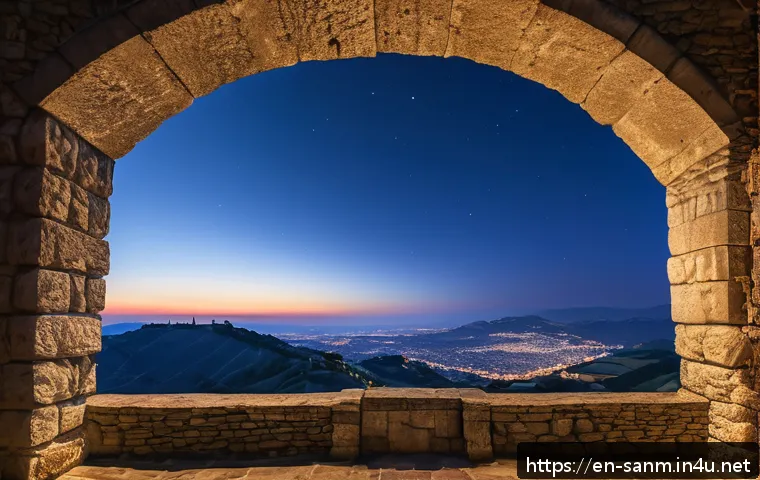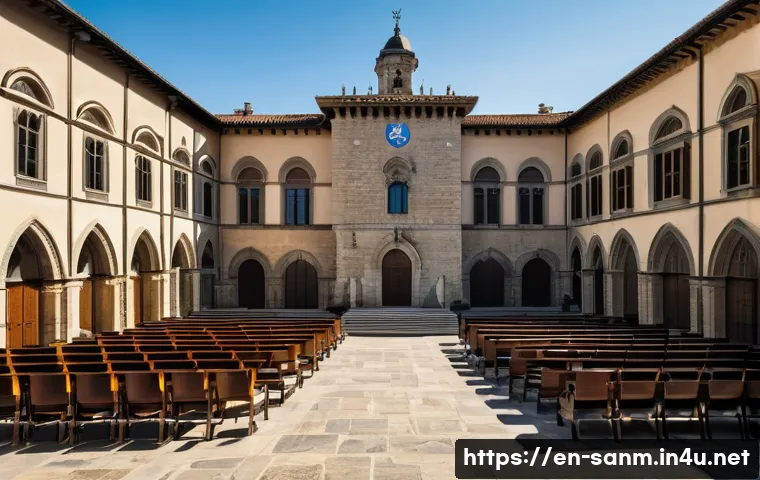
San Marino, the world’s oldest republic, might be tiny, but its culinary scene is a vibrant tapestry woven with centuries of tradition and a delightful local flair.
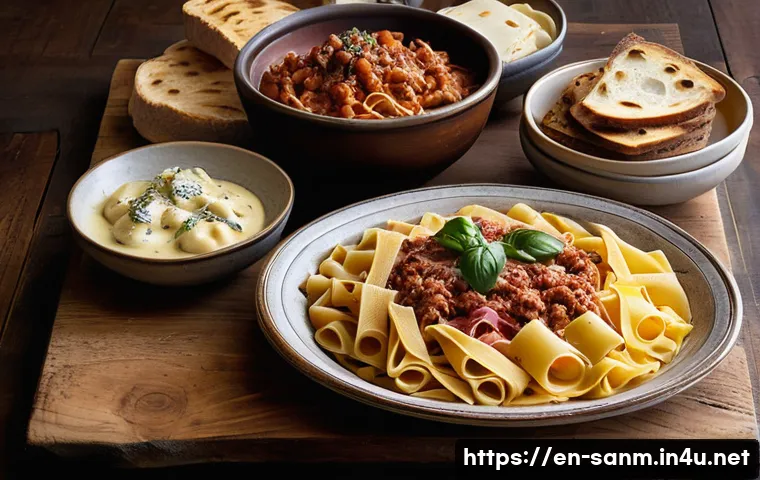
While its food shares a loving embrace with its Italian neighbors, particularly Emilia-Romagna and Marche, you’d be mistaken to think it’s merely a copycat.
I’ve spent time exploring this charming microstate, and let me tell you, their dishes carry a unique heartiness, a subtle twist, and a deep respect for fresh, locally sourced ingredients that truly sets them apart.
From the savory goodness of homemade pasta like strozzapreti, often served with rich meat sauce, to the sweet indulgence of Torta Tre Monti, a layered wafer cake celebrating its iconic towers, every bite tells a story.
It’s a place where food isn’t just sustenance; it’s a celebration of history, family, and the abundant produce from its mountain slopes. Curious to uncover the authentic tastes and traditions that make San Marino’s cuisine an absolute must-try for any food lover?
Let’s dive deep into the fascinating culinary journey awaiting you.
The Heart of the Kitchen: Sammarinese Home Cooking
When you wander through the winding, ancient streets of San Marino, it’s easy to get lost in the sheer beauty of the place, but let me tell you, your nose won’t let you stay lost for long!
The aromas wafting from local kitchens are an absolute invitation to dive deep into Sammarinese home cooking. It’s a cuisine that, while undoubtedly influenced by its Italian neighbors like Emilia-Romagna and Marche, truly holds its own.
I’ve found that the secret ingredient here isn’t just the fresh produce from their mountain slopes, but generations of family recipes, carefully passed down, each with a little twist that makes it uniquely Sanmarinese.
You feel that warmth, that history, in every bite. It’s like stepping into a nonna’s kitchen, even if you’re at a bustling trattoria. The focus is always on wholesome, simple ingredients treated with immense respect, creating dishes that are hearty and profoundly satisfying.
It’s food that tells a story, a narrative of resilience, community, and an enduring love for good, honest flavors.
A Familiar Embrace with a Local Flair
You might initially think, “Oh, it’s just Italian food,” and in a way, you wouldn’t be entirely wrong. San Marino’s culinary roots are deeply intertwined with the gastronomic traditions of the surrounding regions.
I mean, how could they not be? But what truly sets it apart, what I noticed during my explorations, is the subtle yet distinct local flair. Take their famous *piadina*, for instance.
It’s a staple, much like in Romagna, but here in San Marino, it often has a slightly thinner or sometimes a bit thicker dough, often served with local cured meats, cheeses, or even truffle fillings that make it a uniquely Sammarinese experience.
It’s a humble flatbread, once known as “the bread of the poor”, that has been elevated into a versatile and beloved dish, perfect for a quick snack or a light meal.
The way they cherish these everyday staples and infuse them with local character really highlights the pride they have in their culinary identity. It’s not just food; it’s a testament to their enduring culture.
Season’s Bounty and Local Livestock
The landlocked nature of San Marino means that the cuisine leans heavily on what the surrounding hills and farms can provide. And let me tell you, they make the most of it!
I’ve been so impressed by the quality of their locally sourced ingredients. Think rich dairy from happy cows, yielding incredible cheeses like the fresh *Casatella* or the aged *Fossa* cheese, which has an intense, earthy flavor that’s just divine.
And then there’s the olive oil, pressed from olives grown right there on the mountain slopes – it’s a true liquid gold. The honey, too, whether it’s millefiori or chestnut, is incredibly aromatic and reflects the diverse flora of the region.
This reliance on local livestock and agriculture gives their dishes a robustness and freshness that really sings on the palate. You can taste the pride and care in every ingredient, a testament to centuries of working in harmony with the land.
It feels genuine, authentic, and utterly delicious.
Pasta Perfection: Handmade Traditions on Every Plate
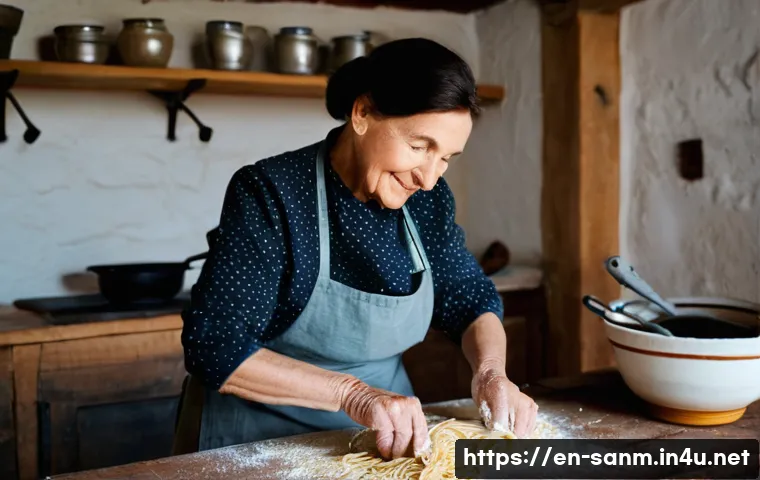
If there’s one thing that truly captures my heart in San Marino’s food scene, it’s their pasta. Forget anything you think you know about factory-made noodles; here, pasta is an art form, a labor of love crafted by hand.
I’ve watched women, often grandmothers, with flour-dusted hands, roll out dough with such grace and precision, creating shapes that are both ancient and utterly perfect.
Each pasta dish feels like a warm hug, a reminder that some traditions are simply too precious to ever fade away. The textures are just different, more substantial, more giving, and they cling to the rich sauces in a way that mass-produced pasta simply can’t.
It’s more than just a meal; it’s an experience, a connection to the very soul of the Republic.
The Humble Strozzapreti and Its Rich Accompaniments
Among the myriad of handmade pasta shapes, *strozzapreti* stands out as a true Sanmarinese classic. Legend has it that the name, meaning “priest stranglers,” comes from a time when hungry priests would eat them so fast they’d choke!
Whether that’s true or not, these simple, hand-rolled pasta twists, made with just flour, water, and salt, are utterly captivating. I remember trying them for the first time, served with a rich, slow-cooked meat ragu and a generous dusting of local pecorino cheese.
The texture was wonderfully rustic, and the grooves of the pasta held onto that savory sauce like a dream. It’s a dish that embodies comfort, a perfect example of how simple ingredients can create something extraordinary when treated with care and tradition.
You’ll find variations, of course, sometimes with a mushroom ragu, but that meaty, hearty sauce is, in my opinion, the quintessential pairing.
Nidi di Rondine: A Feast for the Eyes and Palate
Another pasta dish that truly charmed me was *Nidi di Rondine*, or “swallows’ nests”. The name itself conjures up such a beautiful image, and the dish lives up to it.
These aren’t your typical spaghetti strands; imagine wide sheets of fresh pasta, often layered with smoked ham, tender beef, a creamy béchamel sauce, and rich cheeses, then rolled up and sliced to resemble little nests before being baked to golden perfection.
The crispy edges, the melting cheese, the savory fillings – it’s a symphony of textures and flavors. I distinctly recall the first time I had this dish; it was at a cozy, family-run trattoria, and it felt like a culinary secret had been unveiled to me.
It’s hearty, comforting, and absolutely perfect for a chilly evening up on Mount Titano. Each bite is a warm embrace, a testament to the creativity of Sammarinese home cooks.
From the Land: Robust Meats and Hearty Fare
San Marino’s culinary landscape, nestled in the Apennine foothills, is rich with robust flavors derived from its strong connection to the land and its livestock.
This isn’t a place for delicate, tiny portions; here, the main courses are designed to sustain and satisfy, reflecting a history where food was both sustenance and celebration.
I’ve always admired how they transform relatively simple ingredients into dishes bursting with depth and character, often stewed slowly or roasted to perfection.
The emphasis on locally raised meats and traditional preparation methods truly shines through, offering a comforting and profoundly authentic dining experience that feels straight out of a grandmother’s cookbook.
You can almost taste the centuries of tradition in every forkful.
Coniglio in Porchetta: A Rustic Masterpiece
One dish that absolutely captivated me was *Coniglio in Porchetta* – rabbit prepared with wild fennel. Now, I know rabbit might not be everyone’s first choice, but trust me on this one.
It’s a rustic masterpiece that perfectly encapsulates the flavors of the Sammarinese countryside. The rabbit is slow-roasted until it’s incredibly tender, infused with the aromatic notes of wild fennel, garlic, and herbs.
The meat becomes fall-off-the-bone succulent, with a savory richness that’s both comforting and elegant. I vividly remember enjoying this dish at a small restaurant carved into the rock face, the flavors of the rabbit and fennel mingling beautifully with a robust local red wine.
It’s a dish that speaks of tradition, of foraging, and of an innate understanding of how to coax the best flavors from local ingredients. It’s proof that simple, well-executed food can be truly unforgettable.
Polenta on the Chopping Board: More Than Just Cornmeal
And then there’s *polenta*, a staple across Northern Italy but given a unique twist here in San Marino. It’s often served “sul tagliere,” directly on a large wooden chopping board – a communal and wonderfully rustic way to enjoy a meal.
This thick, creamy cornmeal porridge is far from bland; it’s a canvas for incredible toppings. My personal favorite is when it’s drenched in a rich, savory sausage gravy, sometimes even with a slightly richer version featuring birdseed, lard, and sage.
The texture of the polenta, smooth and comforting, contrasts beautifully with the robust, flavorful sauce, and often, a generous sprinkle of grated *pecorino* cheese adds that perfect salty tang.
It’s a hearty, warming dish, especially perfect after a day exploring the breezy mountaintop, and it epitomizes the generous spirit of Sammarinese hospitality.
It’s food that fills your belly and your soul.
Sweet Sentiments: Desserts with a Story
Every culinary journey needs a sweet ending, and San Marino certainly doesn’t disappoint when it comes to desserts. Their confections are more than just sugary treats; they are edible symbols, often tied to the Republic’s history, landmarks, and long-standing traditions.
I’ve found that these sweets carry a certain charm, a homemade quality that makes them feel incredibly special. They are the kind of desserts that make you want to linger over a coffee, reflecting on the day’s adventures.
Each bite is like unwrapping a little piece of San Marino’s story, filled with delightful flavors and a touch of ancient romance.
The Iconic Torta Tre Monti: A Layered Masterpiece
Without a doubt, the queen of Sanmarinese desserts is the *Torta Tre Monti*, or “Three Mountains Cake”. This isn’t just a cake; it’s a patriotic symbol, named after the three iconic towers that crown Mount Titano.
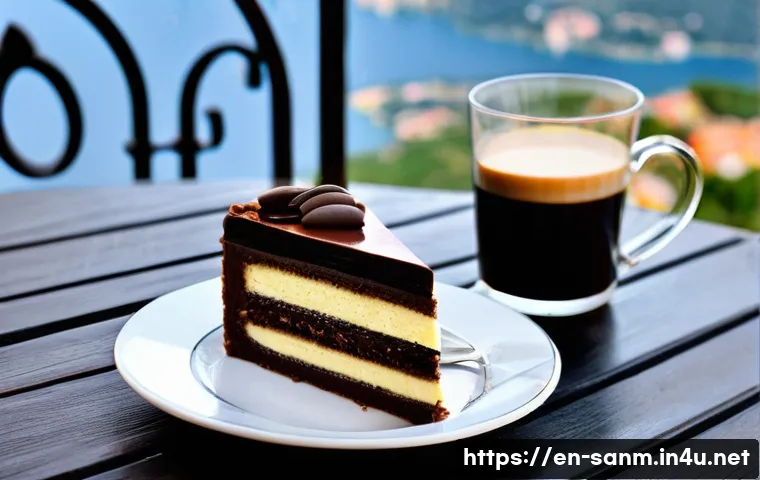
Imagine delicate, crispy wafer layers, lovingly stacked and bound together with a luscious cocoa and hazelnut cream, then enveloped in rich dark chocolate.
It’s a marvel of texture and taste, light yet decadent. I recall unwrapping a beautifully packaged one to share with friends, and the sheer joy on their faces as they took the first bite was priceless.
It’s been handcrafted since 1942 by La Serenissima, a local factory, using traditional recipes that clearly stand the test of time. You can find these exquisite cakes in cafes or packaged to take home as the perfect souvenir – and trust me, you’ll want to.
It’s a taste of San Marino that truly resonates.
Bustrengo: A Rustic Christmas Delight
Beyond the grandeur of the Torta Tre Monti, there’s a rustic charm to *Bustrengo*, a traditional Christmas cake. This humble yet incredibly flavorful dessert often utilizes stale breadcrumbs or cornmeal, apples, dried figs, and honey.
What I love about Bustrengo is its simplicity and resourcefulness, a true reflection of historical Sammarinese kitchens where every ingredient was valued.
It’s dense, moist, and packed with the comforting flavors of fruit and spice, often varying slightly from family to family. Trying a slice felt like stepping back in time, tasting the flavors of ancient traditions and cozy, communal celebrations.
It’s the kind of dessert that feels like it’s been made with love, a true taste of old-world charm that warms you from the inside out.
San Marino’s Liquid Treasures: Wines and Liqueurs
Beyond the incredible food, San Marino also boasts a delightful array of liquid treasures, from robust wines to unique digestifs. It’s easy to overlook this aspect, but trust me, pairing your meal with a local wine or finishing it with a traditional liqueur truly completes the Sammarinese dining experience.
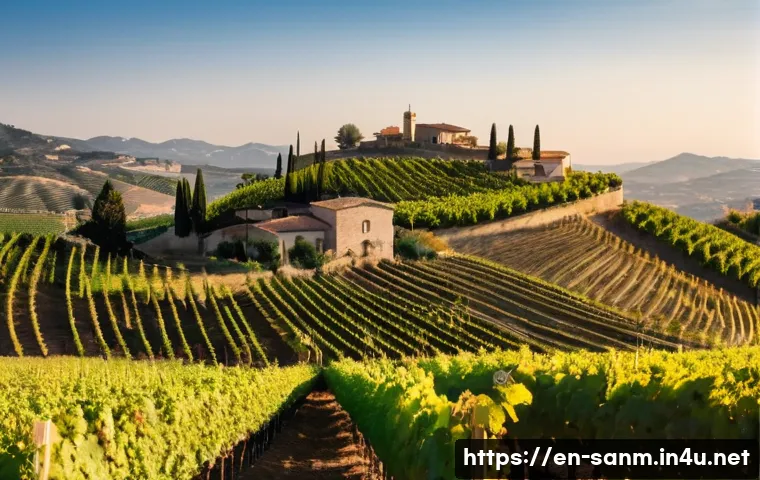
The vineyards, though small, are meticulously cared for, producing wines that proudly reflect the unique terroir of this microstate. I always make it a point to ask for local recommendations when I’m dining out, and I’ve rarely been disappointed.
There’s a quiet confidence in their local beverages that speaks volumes about their dedication to quality and tradition.
Vineyard Views and Robust Reds
The winemaking tradition in San Marino is deeply rooted in the Romagna style, offering some truly delightful choices. Among the reds, you’ll often find *Sangiovese* or *Brugneto*, which are wonderfully robust and pair perfectly with the hearty meat dishes that are so prevalent here.
I’ve enjoyed many an evening sipping a glass of local Sangiovese, watching the sunset over the rolling hills – it’s an experience that really ties the food, the drink, and the breathtaking scenery together.
For white wine lovers, the crisp *Biancale* is a fantastic option, offering a refreshing counterpoint to lighter dishes or as a delightful aperitif. The smaller scale of their production means a lot of care goes into each bottle, and you can really taste that commitment to quality.
Digestifs with a Distinctive Kick
To perfectly round off a meal, San Marino offers some distinctive liqueurs that are truly unique. My personal favorite, and quite the conversation starter, is *Tilus*, a truffle-infused bitter.
Yes, you read that right – truffle! It’s an earthy, intriguing flavor that’s surprisingly delightful as a digestif. Then there’s *Mistrà*, an anise-based liqueur, which provides a lovely, clean finish to a rich meal.
I remember trying Tilus for the first time, a little skeptical, but the unique warmth and complex flavor profile immediately won me over. These aren’t just drinks; they’re an integral part of the Sammarinese dining ritual, a final flourish that encapsulates the rich and varied flavors of this ancient republic.
Bringing San Marino Flavors Home: Souvenirs and Specialties
You know that feeling when you’ve discovered incredible food on your travels and you just *have* to bring a piece of it home with you? San Marino makes that incredibly easy, and delightfully tempting.
Beyond the iconic cakes, the Republic is a treasure trove of artisanal products that are perfect for savoring later or sharing with loved ones. It’s not just about the prepared dishes; it’s about the raw, beautiful ingredients and expertly crafted goods that form the backbone of their local cuisine.
I always make sure to dedicate some time to browsing the local shops, because finding those special ingredients feels like extending my trip just a little bit longer.
Artisanal Cheeses and Precious Oils
As I mentioned earlier, San Marino is renowned for its dairy production, yielding a fantastic array of cheeses. You’ll find everything from fresh, mild *Casatella* to aged, pungent *Fossa* cheese, often sold in charming local delis.
Bringing home a wedge of *Pecorino* from San Marino allows you to recreate some of those incredible pasta dishes or simply enjoy it with a local wine.
And then there’s the olive oil – oh, the olive oil! Produced by the San Marino olive growers’ cooperative, it’s extra virgin and absolutely exquisite.
It’s a staple you’ll want in your pantry, instantly elevating any salad or pasta dish. I’ve personally found that a good quality olive oil is one of the most impactful food souvenirs you can buy, and San Marino’s offering is top-notch.
Sweet Spreads and Local Honey
If you have a sweet tooth like me, you absolutely must check out the local honey. The Beekeepers Cooperative produces several varieties, including *millefiori*, *acacia*, and *chestnut*.
Each offers a unique flavor profile, perfect for drizzling over toast, yogurt, or even pairing with those local cheeses. I always grab a jar or two; it’s like capturing the essence of the Sammarinese landscape in a bottle.
Beyond honey, you might stumble upon artisan jams, crafted from the fruits grown in the region. These local spreads and honeys aren’t just delicious; they’re a testament to the rich agricultural bounty of this tiny nation and make for wonderful, authentic gifts.
| Dish Name | Description | Key Ingredients | Best Paired With |
|---|---|---|---|
| Strozzapreti | Hand-rolled pasta twists with rustic texture | Flour, water, salt, meat ragu, Pecorino cheese | Robust red wine like Sangiovese |
| Piadina | Thin or slightly thicker flatbread, versatile | Flour, lard/olive oil, salt, water, cured meats, cheese, truffle | Local cured meats and fresh cheeses |
| Coniglio in Porchetta | Slow-roasted rabbit infused with herbs | Rabbit, wild fennel, garlic, herbs | Full-bodied white or light red wine |
| Polenta sul Tagliere | Creamy cornmeal porridge served on a board | Cornmeal, sausage gravy, Pecorino cheese | Hearty meat stews or rich sauces |
| Torta Tre Monti | Layered wafer cake, iconic national dessert | Wafers, cocoa/hazelnut cream, dark chocolate | Espresso or a sweet Moscato wine |
| Bustrengo | Traditional rustic fruit and bread Christmas cake | Breadcrumbs/cornmeal, apples, dried figs, honey | Dessert wine or a strong coffee |
Where to Dine: Uncovering San Marino’s Culinary Gems
Exploring San Marino’s culinary scene isn’t just about the food itself; it’s about the experience of dining there. The Republic offers a surprising variety of eateries, from charming, unpretentious trattorias that feel like stepping into a local’s home to more refined establishments with breathtaking panoramic views.
I’ve always found that the best way to truly soak in the local culture is to eat where the locals eat. There’s a genuine warmth and authenticity that pervades these places, and the staff are often eager to share stories about their dishes and the ingredients.
Finding these spots adds another layer of adventure to your visit, turning every meal into a memorable moment.
Cozy Trattorias and Family-Run Eateries
For an authentic taste of Sammarinese hospitality, you absolutely have to seek out the trattorias and osterias, especially those family-run gems tucked away in the historic center or the smaller villages.
Places like *Ritrovo dei Lavoratori XXVIII Luglio* are legendary, known for serving genuine food at excellent prices and drawing in locals, which is always a great sign in my book.
I remember one evening there, the atmosphere was buzzing with families celebrating birthdays, and despite the crowd, the service was impeccable, and the food arrived quickly and perfectly.
Another delightful spot is *Agli Antichi Orti*, which beautifully blends a casual pizzeria vibe with a more traditional trattoria experience in the back, offering wonderful local dishes like beef goat cheese starters and San Marino pasta.
These places often have menus full of traditional dishes, lovingly prepared and presented, truly giving you a personal touch that you won’t forget.
Dining with a View: Panoramic Restaurant Experiences
For those moments when you want to pair incredible food with equally incredible scenery, San Marino has some truly spectacular options. Imagine enjoying a gourmet meal while gazing out over the rolling hills of the Romagna countryside or the Adriatic Sea sparkling in the distance.
Restaurants like *La Terrazza* at Hotel Titano or *Ristorante Nido del Falco* offer fine dining experiences with views that are simply breathtaking. I’ve had some unforgettable sunsets from these vantage points, making the meal feel even more special.
Whether it’s a romantic dinner or a celebratory lunch, these establishments combine sophisticated cuisine with an unforgettable ambiance. They’re proof that San Marino can deliver not just rustic charm, but also an elevated dining experience that competes with much larger destinations.
글을 마치며
And there you have it, my friends! Dipping into the culinary world of San Marino has been nothing short of a delightful adventure, a true testament to how much flavor and tradition can be packed into such a tiny, ancient republic. From the humble, hand-rolled pasta that speaks volumes of generations past to the iconic, patriotic “Three Mountains Cake,” every dish here tells a story. It’s a cuisine that embraces you with warmth, much like the Sammarinese people themselves. I genuinely hope this culinary journey has sparked your curiosity and perhaps even inspired you to explore these incredible tastes for yourself. Believe me, your taste buds will thank you!
알아두면 쓸모 있는 정보
1. Best Times to Visit for Food Experiences: While San Marino is charming year-round, I’ve found that late spring (May-June) or early autumn (September-October) offer the perfect balance of pleasant weather and fewer crowds, making it ideal for savoring meals outdoors and exploring local markets. You’ll often find seasonal produce at its peak, like fresh truffles in autumn or vibrant spring vegetables. Plus, many local festivals, though not always advertised to a wide international audience, pop up during these shoulder seasons, giving you a chance to sample very specific, traditional dishes that might not be on everyday menus. Always check local event listings for “sagre” (food festivals) happening during your visit; they’re an absolute blast and a delicious way to truly immerse yourself in the local food culture.
2. Navigating Menus and Ordering Local: Don’t be shy about asking for recommendations! Most trattorias and restaurants, especially in the more tourist-frequented areas, will have staff who speak some English, and they’re usually incredibly proud to suggest local specialties. Look for “piatti tipici Sammarinesi” (typical Sammarinese dishes) on the menu. If you’re feeling adventurous, try learning a few basic Italian phrases like “Vorrei…” (I would like…) or “È delizioso!” (It’s delicious!) – a little effort goes a long way in endearing you to the locals. And definitely don’t skip the “contorni” (side dishes); they often highlight the fresh, seasonal vegetables that are so vital to the cuisine here.
3. Currency and Payment in San Marino: San Marino uses the Euro (€), just like Italy. Credit and debit cards are widely accepted in most restaurants, shops, and hotels, especially in the city center. However, I always recommend carrying a small amount of cash for smaller purchases, market stalls, or for those charming, tiny family-run eateries that might prefer cash, or simply to make tipping easier. While not strictly necessary, it’s always good practice to have some physical money on hand for unforeseen circumstances or just to experience transactions in a more traditional way, which is often appreciated by local vendors.
4. Bringing Flavors Home: Food Souvenirs: Beyond the famous Torta Tre Monti, which is a must-buy, I highly recommend seeking out local olive oil, artisan cheeses (like Fossa cheese if you can find it!), and especially the local honey from the Beekeepers Cooperative. These items are not only delicious but also fantastic gifts and authentic reminders of your trip. Many shops within the historic center specialize in local gourmet products, so keep an eye out for “Prodotti Tipici” (Typical Products) signs. Just be mindful of any customs regulations on food items when you’re returning to your home country to avoid any issues.
5. Dining Etiquette and Tipping: While tipping customs can vary, in San Marino (and Italy), a service charge (“coperto”) is often included, especially in more formal restaurants, and will be noted on your bill. If no service charge is added, or if you’ve received exceptional service, leaving a small tip (a few Euros or rounding up the bill) is always appreciated, but it’s not strictly mandatory or expected in the same way it might be in North America. The focus is more on enjoying the meal and the company. A simple “Grazie!” (Thank you!) and a smile after your meal go a long way in expressing your appreciation for the hospitality.
중요 사항 정리
San Marino’s culinary heart beats with tradition, fueled by its unique geographical position and a deep reverence for local ingredients. What truly struck me during my explorations is how every dish, from the simplest piadina to the most elaborate baked pasta, is steeped in centuries of family recipes and a palpable sense of community. The emphasis on handmade pasta, robust meats, and the innovative use of local produce like truffles and wild fennel creates a dining experience that is both comforting and uniquely Sammarinese. Don’t let its small size fool you; this republic offers a gastronomic journey that is rich, authentic, and utterly memorable. It’s a place where food isn’t just sustenance; it’s a vibrant expression of culture, history, and an enduring passion for good, honest flavors, making it an absolute must-visit for any food lover.
Frequently Asked Questions (FAQ) 📖
Q: What truly sets San Marino’s cuisine apart from its Italian neighbors?
A: Ah, this is a question I get all the time, and it’s a brilliant one! While San Marino shares a border and some wonderful culinary traditions with regions like Emilia-Romagna and Marche, my personal experience tells me there’s a distinct soul to Sammarinese cooking.
It’s like finding a hidden gem in plain sight. What really struck me, what you’ll feel in every bite, is this incredible heartiness, a true sense of ‘comfort food’ that reflects its mountainous, independent spirit.
You won’t always find the same delicate flourishes of, say, Tuscan cuisine, but instead, a profound respect for simple, high-quality, locally sourced ingredients – think robust mountain herbs, hearty game, and fresh produce from their fertile slopes.
They’ve taken those shared influences and given them a rustic, almost home-cooked twist that feels uniquely Sammarinese. It’s less about flashy presentation and more about deep, satisfying flavors that tell a story of tradition and resilience.
Trust me, you’ll taste the difference; it’s subtle, but undeniably there, like a warm hug on a crisp San Marino evening.
Q: What are some of the absolute must-try traditional dishes I should look for when visiting San Marino?
A: If you’re anything like me, you’re always on the hunt for those authentic, soul-satisfying dishes that truly define a place, right? Well, in San Marino, you’re in for a treat!
First off, you simply must try the Strozzapreti. I remember my first time trying it with a rich, slow-cooked ragù – it’s a pasta so wonderfully irregular and rustic, perfect for soaking up every drop of that incredible sauce.
It felt like eating a piece of history! Beyond pasta, don’t miss out on their hearty meat dishes. I’ve had some fantastic experiences with Coniglio in Porchetta, which is rabbit stuffed with herbs and spices, then roasted to perfection.
It’s incredibly flavorful and tender. And if you’re there in cooler weather, seek out Fagioli con le Cotiche, a traditional bean and pork rind soup – it sounds simple, but it’s incredibly warming and deeply satisfying, truly a dish that embodies the local spirit and makes you feel right at home.
Each bite transports you, I promise!
Q: Are there any unique San Marino desserts or sweet treats that I absolutely shouldn’t miss?
A: Oh, my sweet-toothed friends, you are in for a delightful surprise in San Marino! If you leave without trying the Torta Tre Monti, you’ve seriously missed out on a core piece of their culinary heart.
This isn’t just any cake; it’s an edible monument to their iconic Three Towers! Imagine layers of delicate, crispy wafers, generously spread with a rich hazelnut cream, often with a hint of chocolate or coffee, all glazed beautifully.
It’s light yet incredibly satisfying, and I absolutely loved how each bite gave you that satisfying crunch followed by creamy sweetness. It’s elegant, historic, and utterly delicious.
I remember having a slice with a strong Italian espresso overlooking the valley – pure bliss! Another treat to look out for, especially around festivals, is Bustrengo, a rustic cake often made with a mix of flours, dried fruit, honey, and sometimes even a touch of wine.
It’s got that wonderful homemade feel, not overly sweet, and utterly comforting. These aren’t just desserts; they’re sweet stories of San Marino’s heritage!