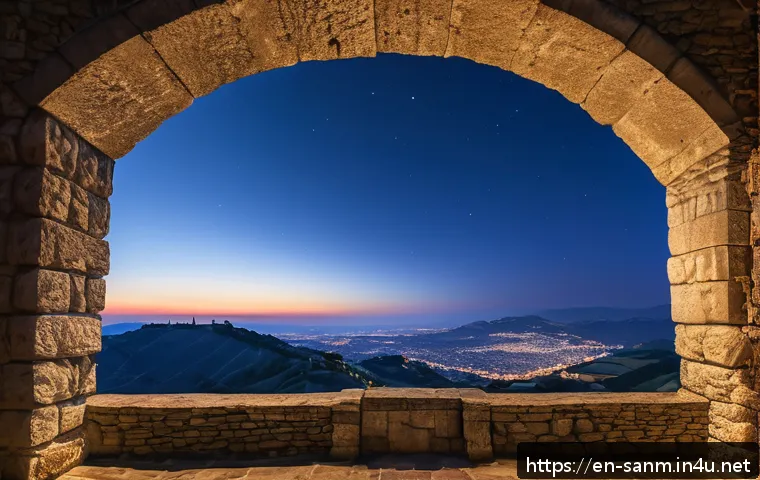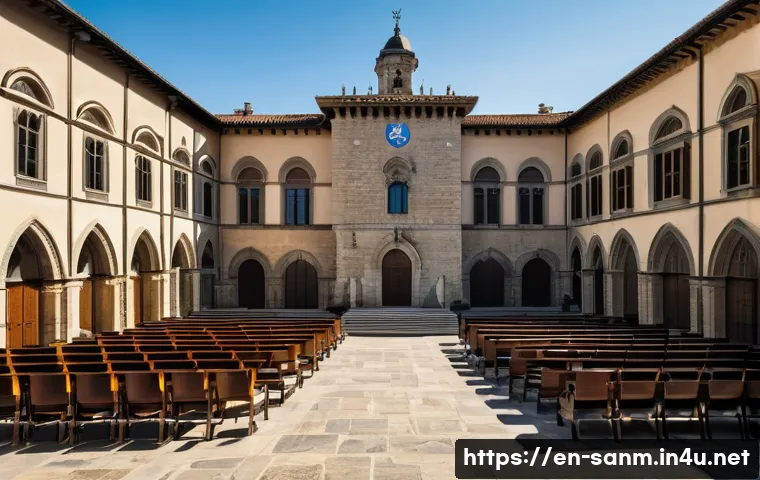
Ever dreamt of wandering through ancient fortresses perched high above the clouds in one of the world’s oldest republics? San Marino truly is a hidden gem, offering breathtaking views and a rich history that captivates every visitor.
But let’s be real, once you’re there, figuring out the best way to get around can sometimes feel like solving an ancient riddle. From my own experience, and what I’ve heard from so many of you planning your trips, understanding the local transportation is key to truly unlocking this microstate’s charm without any hassle.
You might be surprised by how efficiently you can navigate its winding streets and stunning landscapes, even without your own car. Forget the stress of parking or complicated routes; San Marino’s public transport system, though small, is surprisingly effective and offers some incredibly scenic journeys.
I’ve put together everything you need to know to make your visit smooth and enjoyable. Let’s dive into how you can explore every nook and cranny of this beautiful republic with ease and confidence.
Conquering the Slopes: The San Marino Funivia Experience
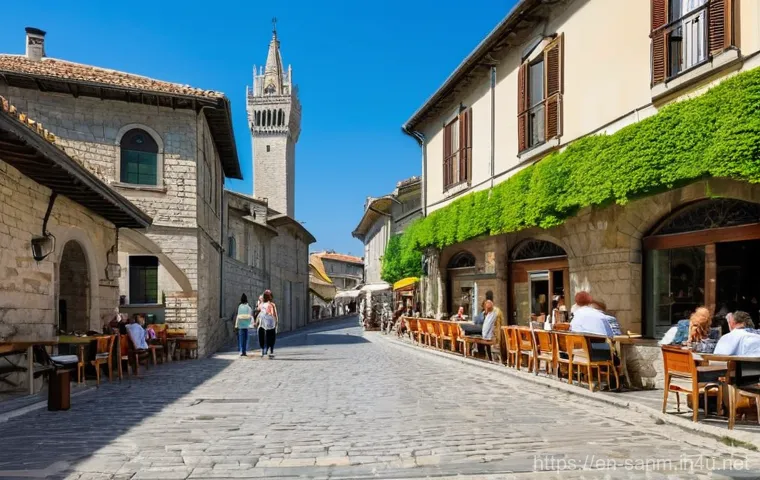
When I first planned my trip to San Marino, the idea of a cable car wasn’t something I immediately thought about, but let me tell you, it’s an absolute game-changer for getting up to the historic center.
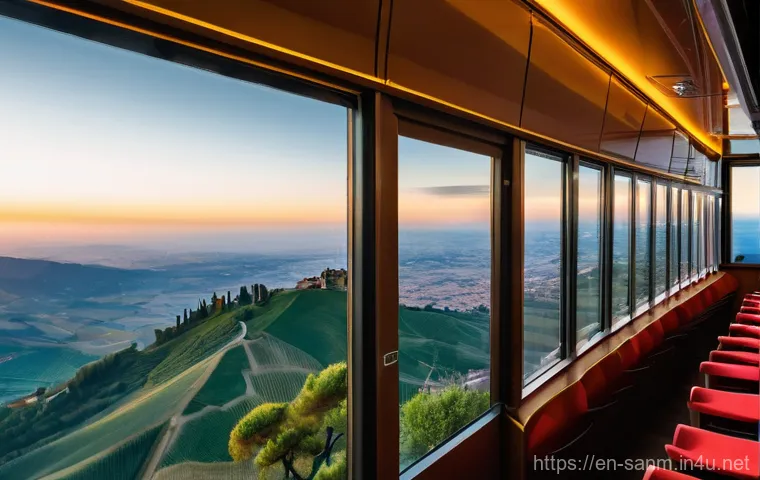
The Funivia, or cable car, connects Borgo Maggiore, located at the base of Mount Titano, directly to the Città di San Marino (the capital). It’s not just a practical mode of transport; it’s an experience in itself, offering some of the most spectacular panoramic views you’ll ever witness.
I remember my first ride, feeling the gentle ascent, and watching the landscape unfurl beneath me – it was truly breathtaking. This journey saves you a steep climb and sets the tone for the magical discoveries awaiting you at the top.
It runs frequently, usually every 15 minutes, making it super convenient whether you’re heading up for a day of exploring or coming down after a delightful evening meal.
Trust me, you’ll want your camera ready for this one! The cost is very reasonable, making it a fantastic value for both the convenience and the views.
The Scenic Ride and What to Expect
Taking the Funivia is less like a commute and more like a mini-excursion. As you ascend, the views stretch out across the rolling hills of Emilia-Romagna and the Adriatic coast, especially on a clear day.
It’s the perfect way to get your bearings and admire the unique geography of San Marino from above. The cabins are clean and offer large windows, so you won’t miss a single part of the vista.
From my own experience, riding it early in the morning or just before sunset provides the most dramatic light for photography, painting the landscape in golden hues.
It’s a short ride, only a couple of minutes, but those few minutes are packed with visual wonder. Don’t be surprised if you find yourself wanting to ride it just for the fun of it, even if you don’t have a specific destination in mind.
Accessibility and Practicalities
One of the best things about the Funivia is its accessibility. The stations are well-maintained, and while there are some stairs at the top, the overall experience is quite smooth.
If you’re traveling with luggage, small bags are manageable, but remember it’s a relatively compact cabin. Parking is available at Borgo Maggiore if you’re arriving by car, which is super helpful.
I found it incredibly easy to navigate, even for a first-timer. The signs are clear, and the staff are usually very friendly and helpful. It truly takes the stress out of reaching the historic center, leaving you more energy to explore the three towers and quaint streets above.
Navigating the Republic’s Heart: Buses & Beyond
Beyond the majestic cable car, San Marino offers a surprisingly efficient bus system, especially considering its size. For those of us who love to immerse ourselves in local life and prefer not to drive, the public buses are an excellent option.
They connect the various towns and villages within the republic, making it easy to hop between different points of interest without needing your own set of wheels.
I remember trying to figure out the routes on my first visit, and while the network isn’t extensive, it covers the key areas quite well. It felt like a true local experience, rubbing shoulders with residents on their daily errands, and seeing parts of the republic I might have otherwise missed.
The buses are generally comfortable and clean, and while they might not run as frequently as in larger cities, their schedule is reliable.
Key Routes and Connecting Points
The main bus line that most visitors will use is the one connecting San Marino to Rimini in Italy. This is usually how international travelers arrive, often taking a train to Rimini and then catching this bus directly to the heart of San Marino.
Within the republic itself, there are also local buses that connect the capital with other castles (municipalities) like Borgo Maggiore (though the Funivia is faster for this specific route), Acquaviva, and Domagnano.
These routes are perfect for exploring beyond the immediate tourist hotspots. I found that checking the timetables online or at the bus stops beforehand was always a good idea, especially during off-peak hours or on Sundays.
Don’t be afraid to ask locals or the bus driver for directions; they’re generally very helpful and appreciate the effort you make to engage.
Tickets and Fares: What You Need to Know
Buying bus tickets in San Marino is straightforward. You can usually purchase them directly from the bus driver, at designated ticket offices, or sometimes from local tobacco shops (tabaccherie).
The fares are quite reasonable, especially compared to taxi services, making it a budget-friendly way to travel. I always recommend having some small Euro denominations on hand, just in case, although many places now accept card payments.
For the San Marino-Rimini line, it’s a cross-border journey, so ensure you have the correct ticket. I recall needing to buy a return ticket in Rimini for my journey back, which saved me hassle later.
It’s a good idea to clarify if you need a specific type of ticket for internal San Marino routes versus the international route.
On Foot: Embracing the Ancient Paths
For me, there’s truly no better way to experience the magic of San Marino than by simply walking. The historic center of Città di San Marino is a pedestrian’s paradise, a labyrinth of cobblestone streets, hidden alleyways, and breathtaking viewpoints that truly come alive when explored on foot.
I remember spending hours just wandering aimlessly, discovering charming little shops, cafes tucked away in ancient buildings, and stunning vistas around every corner.
It’s an intimate way to connect with the republic’s past and present, allowing you to set your own pace and stumble upon those unexpected delights that make a trip unforgettable.
Plus, with the steep inclines and narrow passages, driving a car within the old city would be an absolute nightmare, and frankly, unnecessary.
Exploring the Historic Center by Shank’s Mare
Once you’ve reached the upper town, whether by Funivia or bus, leave the motorized transport behind and let your feet guide you. The walk between the three famous Guaita, Cesta, and Montale towers is an absolute must-do.
Each tower offers its own unique perspective and historical significance. I found myself pausing at countless points along the path, just to soak in the incredible views stretching across the Apennine Mountains and down to the Adriatic Sea.
The paths are well-maintained, though some sections can be quite steep and uneven, so comfortable walking shoes are non-negotiable. I learned this the hard way on my first visit with slightly inadequate footwear!
Hiking Beyond the Tourist Trail
Beyond the immediate confines of the historic center, San Marino offers some lovely hiking opportunities for those who enjoy a bit of nature. There are trails that weave through the less-explored parts of Mount Titano, offering a different side of the republic.
While these aren’t always clearly marked for international tourists, asking locals or at the tourist information office can yield some fantastic suggestions.
I once ventured on a trail that led me to a quieter, more secluded part of the mountain, offering a peaceful escape from the bustling tourist areas and a chance to truly appreciate the natural beauty surrounding this microstate.
It was a refreshing change of pace and felt like a truly authentic experience.
Wheels for Your Wanderlust: Renting a Car in San Marino
While San Marino’s historic center is best explored on foot and its public transport is decent, some travelers, like myself on a longer trip through Italy, might consider renting a car.
Having your own car offers a level of freedom and flexibility that public transport simply can’t match, especially if you plan to explore the lesser-known areas of the republic or venture into the surrounding Italian countryside.
I’ve found that having a car can open up opportunities to visit those charming, off-the-beaten-path villages that aren’t well-served by buses. However, there are a few important things to keep in mind before you jump behind the wheel in this tiny nation.
Driving in San Marino: The Lowdown
Driving in San Marino is generally similar to driving in Italy. The roads are well-maintained, and traffic laws are consistent with European standards.
However, the mountainous terrain means winding roads and steep inclines are common, so be prepared for some challenging drives, especially if you’re not used to such conditions.
I remember one particularly narrow and winding road that tested my patience, but the views at the top were absolutely worth it! Parking within the historic center is restricted, and for good reason, so you’ll need to use the designated parking lots located just outside the walls, often connected by elevators or short walks.
These lots are clearly signposted and usually offer both hourly and daily rates.
Renting and Restrictions
You won’t find major international car rental agencies directly within San Marino itself, as it’s such a small state. Most visitors who rent a car will do so in nearby Italian cities like Rimini, Bologna, or even Rome, and then drive into San Marino.
This is exactly what I did, picking up my rental at Rimini airport. Remember that you’ll be crossing an international border, although it’s usually seamless with no passport control between Italy and San Marino.
Ensure your rental agreement covers international travel if you plan to move between the two. Also, be aware of ZTL (Zona a Traffico Limitato) areas in Italian towns you might pass through; these are restricted driving zones that can result in hefty fines if you enter without permission.
Always double-check your rental’s insurance coverage and understand the local traffic rules before you hit the road.
Seamless Arrival: Getting to San Marino from Rimini
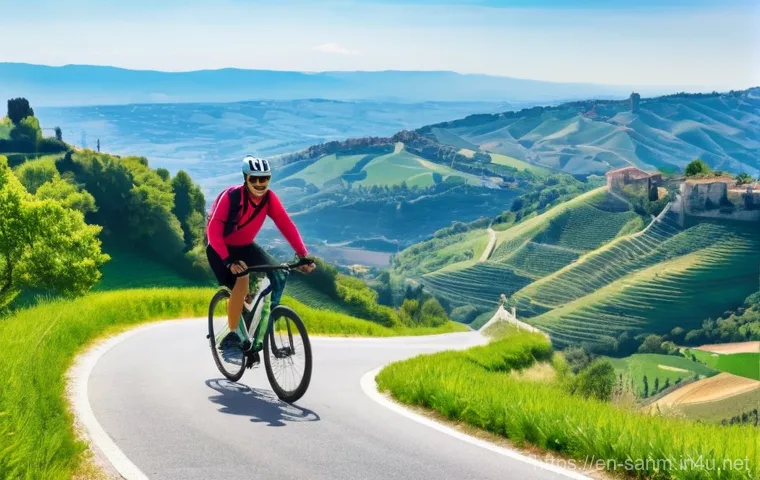
Many visitors to San Marino, myself included, usually begin their journey from the Italian coastal city of Rimini. It’s the most common and arguably the most convenient gateway to the microstate, making it a crucial part of understanding how to navigate this hidden gem.
I remember arriving at Rimini’s train station, a little overwhelmed by the bustling crowds, but finding the bus to San Marino was surprisingly easy once I knew what to look for.
This particular bus service is a lifeline for tourists and locals alike, bridging the gap between a major Italian transport hub and the ancient republic.
The Rimini-San Marino Bus Express
The bus service from Rimini to San Marino is incredibly efficient and frequent, especially during peak tourist season. Buses depart regularly from outside Rimini’s main train station, making it a straightforward connection for those arriving by rail.
The journey itself is quite pleasant, offering glimpses of the Italian countryside before ascending into the San Marino hills. It usually takes about 30-45 minutes, depending on traffic and the specific stops.
I’ve taken this bus multiple times, and it’s always been a smooth and comfortable ride. You can purchase tickets at the bus station in Rimini or sometimes directly from the driver, though it’s always a good idea to have exact change or small bills if buying on board.
Alternative Routes and Considerations
While the bus from Rimini is by far the most popular option, other less common ways exist. If you’re coming from further afield in Italy and prefer not to deal with a bus transfer, a taxi or private transfer service from Rimini or even Bologna could be an option, albeit a much pricier one.
I’ve seen travelers opt for this for convenience, especially if they have a lot of luggage or are traveling with a larger group. However, for the average traveler, the bus is perfectly adequate and incredibly cost-effective.
Remember to check the latest bus schedules online before your trip, as times can vary depending on the season and public holidays.
Insider Tips for Stress-Free Exploration
Having visited San Marino several times, I’ve picked up a few invaluable tips that I wish I’d known on my very first trip. These aren’t things you’ll typically find in a standard guidebook, but they can make a world of difference in how smoothly and enjoyably your visit unfolds.
It’s all about maximizing your time and truly soaking in the unique atmosphere of this incredible place without any unnecessary stress. From navigating the terrain to making the most of your travel budget, these little nuggets of wisdom are born from personal experience and conversations with fellow travelers.
Smart Planning for Your Visit
One of my biggest recommendations is to wear incredibly comfortable walking shoes. I cannot stress this enough! San Marino’s historic center is all about steep, cobblestone streets, and while charming, they are not kind to ill-prepared feet.
Also, consider visiting during the shoulder seasons (spring or fall) to avoid the intense summer crowds and heat. The weather is usually more pleasant, and you’ll have a much more relaxed experience exploring.
I’ve found that arriving early in the morning, right as the shops are opening, allows for a peaceful stroll through the main streets before the day-trippers from Rimini start to arrive.
This also gives you the best light for photography.
Making the Most of Public Transport and More
Even if you have a car, don’t underestimate the utility of the Funivia for getting up to the historic center. Parking in Borgo Maggiore is far easier and more plentiful than trying to find a spot further up.
For those relying solely on public transport, grabbing a copy of the bus schedule (or having it saved on your phone) is essential, especially for return journeys to Rimini.
Taxis are available, but they can be quite expensive for short distances, so I’d recommend them only if you’re in a real pinch or have a specific destination that buses don’t reach easily.
Always confirm the fare before you start your journey to avoid any surprises. Remember, being prepared is half the battle to a truly unforgettable San Marino adventure!
Here’s a quick comparison of the main ways to get around San Marino:
| Transportation Method | Pros | Cons | Best For |
|---|---|---|---|
| Funivia (Cable Car) | Stunning views, quick ascent, convenient connection, affordable | Only connects Borgo Maggiore to Città | Reaching the historic center from the base |
| Local Buses | Connects various towns, budget-friendly, local experience | Less frequent, limited routes within the capital | Exploring beyond Città, connecting from Rimini |
| Walking | Immersive, free, best for exploring historic center, flexible | Requires good fitness, steep inclines, cobblestones | Discovering the historic center and towers |
| Rental Car | Maximum flexibility, access to remote areas | Parking challenges in Città, winding roads, cost | Day trips around San Marino and surrounding Italy |
Beyond the Usual: Unique Ways to See San Marino
While buses, cable cars, and walking are the staples for exploring San Marino, there are a couple of other delightful ways to experience this microstate that often go overlooked.
If you’re anything like me, you love finding those unique angles and experiences that add an extra layer of richness to your travels. San Marino, with its dramatic landscapes and ancient charm, certainly lends itself to a few unconventional methods of exploration that can make your visit truly stand out from the typical tourist itinerary.
It’s about seeking out those moments that transform a good trip into an amazing one, and sometimes, that means thinking a little outside the box when it comes to getting around.
The San Marino Express Tourist Train
Don’t confuse this with a regular train service; the San Marino Express is a charming little tourist “train” on wheels that offers a narrated tour around the historic center.
It’s a fantastic option if you want to give your feet a break, or if you’re traveling with children or those with limited mobility. I took a ride on it once, mostly out of curiosity, and found it to be a surprisingly pleasant way to get an overview of the main sights without the exertion of walking.
The commentary, usually available in multiple languages, provides interesting historical tidbits and points out key landmarks that you might otherwise miss.
It departs regularly from near the cable car station at the top and offers a different perspective on the ancient streets and fortifications.
Exploring by Scooter or Bicycle (for the adventurous!)
For the more adventurous souls, exploring San Marino and its surrounding areas by scooter or even an electric bicycle can be an exhilarating experience.
While you definitely wouldn’t want to ride a scooter within the pedestrianized historic center, they offer fantastic freedom for navigating the winding roads leading up to and around the capital.
I’ve seen quite a few locals and some daring tourists zipping around on scooters, and the idea of feeling the wind in my hair as I crest a hill to an incredible view is definitely appealing.
Electric bicycles, available for rent in some areas, are also a great option for tackling the steep inclines without completely exhausting yourself. Just remember that safety is paramount, especially on the winding and sometimes busy roads.
Always wear a helmet and be mindful of traffic, particularly around blind corners. It’s an adventurous way to see San Marino, offering a sense of freedom that traditional transport might not provide.
Wrapping Things Up
As we’ve journeyed through the various ways to explore San Marino, from the exhilarating ascent of the Funivia to the tranquil meanderings through ancient cobblestone streets, it’s clear that this tiny republic offers a truly unique travel experience. I truly hope that sharing my personal insights and practical tips helps you navigate this incredible destination with ease and excitement, ensuring you make the most of every precious moment. What really strikes me about San Marino is how seamlessly ancient history blends with modern convenience, allowing visitors to choose their own adventure, whether it’s a leisurely stroll, an adventurous drive, or a relaxing bus ride through its breathtaking landscapes. My trips here have always left me feeling invigorated and inspired, each visit uncovering new layers of charm and wonder, and I truly believe yours will too. So, pack your bags, lace up those walking shoes, and prepare to be enchanted by the magic of San Marino. You won’t regret immersing yourself in its rich history and stunning panoramas, creating memories that will last a lifetime.
Handy Tips for Your San Marino Adventure
-
Currency and Payments: While San Marino isn’t part of the EU, they use the Euro (€). Most places, especially in the historic center, accept credit cards, but it’s always a good idea to carry some small denominations for smaller purchases, bus tickets bought on board, or local markets. I’ve found that having a few euros in cash saved me a quick dash to an ATM more than once, especially for those charming little souvenirs.
-
Language: The official language is Italian. While many people in tourist-heavy areas speak English, especially hotel staff and shopkeepers, learning a few basic Italian phrases like “Ciao” (hello/goodbye), “Grazie” (thank you), and “Per favore” (please) can go a long way. Locals truly appreciate the effort, and it often leads to warmer interactions. My attempt at ordering coffee in Italian always gets a smile!
-
Best Time to Visit: For the most comfortable experience, consider visiting during the shoulder seasons – April to June or September to October. The weather is generally pleasant, the crowds are thinner than in peak summer, and you’ll find it easier to enjoy the sights without feeling rushed. Summer can be quite hot and very crowded, particularly in July and August, which can impact the enjoyment of walking the steep streets.
-
Stay Hydrated and Sun Protected: With all the walking and exploring you’ll be doing, especially during warmer months, remember to drink plenty of water. Carry a reusable water bottle, as there are public fountains available. Also, the San Marino sun can be intense, so pack sunscreen, a hat, and sunglasses, even on seemingly cloudy days. I learned the hard way that a sunny day on the towers can lead to a quick sunburn!
-
Tourist Information: Don’t hesitate to visit the official Tourist Information Office, located in the historic center. They’re an invaluable resource for maps, local event schedules, and up-to-date information on bus times or unique attractions. The staff are typically very knowledgeable and happy to help with any questions you might have about making your visit truly special. They sometimes have coupons or special passes too!
Key Takeaways for Your San Marino Journey
To truly conquer the slopes and charm of San Marino, a bit of thoughtful preparation goes a long way. First and foremost, prioritize comfortable footwear; your feet will thank you after navigating countless cobblestone streets and climbing to the three magnificent towers. Embrace the Funivia for its stunning views and sheer convenience – it’s not just a ride, it’s part of the experience itself. While walking is king within the historic center, don’t shy away from utilizing the local bus network to explore beyond the capital, connecting you to other charming villages and even to Rimini. If you’re considering a rental car, remember its advantages for wider exploration but also be mindful of parking restrictions and the winding roads. Ultimately, San Marino thrives on exploration at your own pace, so allow yourself to wander, get a little lost, and discover its hidden gems. These simple considerations, born from personal experience, will undoubtedly enhance your visit, transforming it from a mere trip into an unforgettable adventure filled with personal discoveries and cherished moments. Enjoy every breathtaking vista and ancient pathway!
Frequently Asked Questions (FAQ) 📖
Q: How can I even get to San Marino if I’m traveling without a car, especially from a major Italian city?
A: This is such a common question, and I totally get the concern! Many people envision a car being essential, but trust me, it’s totally doable and often more relaxing without one.
Your best bet for reaching San Marino without your own wheels is almost always via Rimini, Italy. Rimini has a small airport, Federico Fellini International Airport (RMI), and it’s also a well-connected train station.
From Rimini, there’s a super convenient and regular bus service that takes you directly up the winding roads to San Marino. I remember my first time, a bit worried about the logistics, but the bus ride was surprisingly scenic and dropped me right at the foot of the historic center.
It’s affordable, runs frequently throughout the day, and honestly, it’s part of the authentic experience of ascending to this mountaintop republic! Just hop on the bus, sit back, and enjoy the stunning views as you climb higher and higher.
Q: Once I’ve arrived in San Marino, what’s the best way to navigate around its charming, but often steep, streets and visit all the sights?
A: Oh, this is where the fun really begins! San Marino’s beauty comes with its elevation, meaning lots of hills and narrow, historic streets. My absolute favorite way to conquer those hills and soak in the incredible panoramas is the Funivia, or cable car.
It effortlessly connects Borgo Maggiore (the lower town where the bus drops you off) to the historic center of San Marino City, high up on Monte Titano.
The views during the ride are just breathtaking, and it saves your legs for exploring the castles and museums. Once you’re in the historic center, honestly, walking is your best friend.
The area isn’t huge, and you’ll want to wander through every alley, discover hidden viewpoints, and pop into the unique shops. For anything a bit further out, there are local mini-buses, but for the main attractions, your two feet and the cable car are really all you need for an immersive and stress-free exploration.
Q: Is the public transport system in San Marino easy for tourists to understand and use, or should I expect a language barrier and complicated routes?
A: I totally hear you on this one – navigating new public transport systems can be daunting, especially when you’re in a foreign country! But let me put your mind at ease: San Marino’s public transport is incredibly tourist-friendly, and you really won’t struggle at all.
For starters, the main link for visitors is the bus from Rimini and then the Funivia, which is essentially just one straightforward line up and down the mountain.
There’s no complex network of subway lines or dozens of bus routes to decipher. Ticket purchasing is simple – you can usually buy bus tickets directly from the driver or at the bus station in Rimini, and Funivia tickets are available right at the stations.
Signage is clear, and while Italian is the official language, you’ll find plenty of English speakers, especially in tourist-heavy areas, who are happy to help if you have a question.
Honestly, what might seem like a riddle beforehand is actually a perfectly delightful and easy-to-use system once you’re there. It’s part of what makes visiting San Marino such a joy!