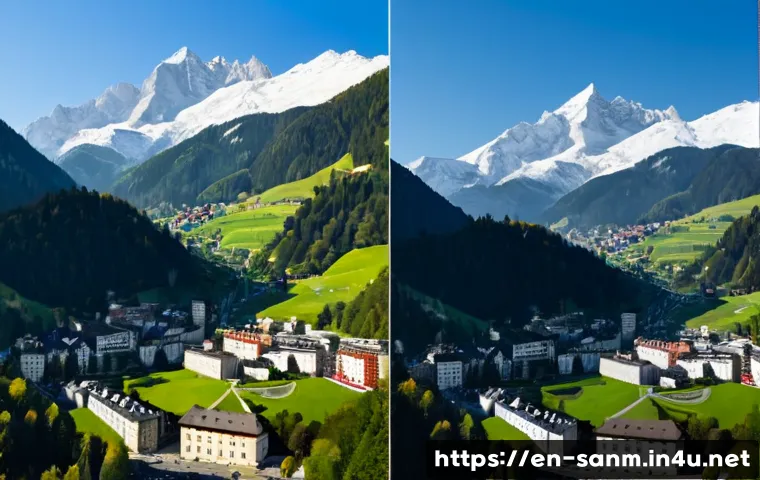
San Marino is best understood as a euro-using microstate surrounded by Italy, while Liechtenstein operates with the Swiss franc, a customs and monetary union with Switzerland, and participation in the European Economic Area.

For cross-border business planning, those currency and market-access arrangements can matter more than the countries’ similar small size. San Marino may be the more natural starting point for Italy-linked activity, tourism, retail, or euro-area transactions.
Liechtenstein may deserve closer research for Swiss-linked supply chains, export-oriented activity, and operations that need to consider the EEA single-market framework.
Neither country is an EU member state, so company formation, banking, tax compliance, licensing, and reporting should be reviewed case by case. A low-tax reputation alone is not a reliable reason to incorporate, relocate, or open an account.
At a Glance
- San Marino uses the euro and is surrounded by Italy, with activity in tourism, manufacturing, retail trade, services, and financial activities.
- Liechtenstein uses the Swiss franc, is linked to Switzerland through a customs and monetary union, and participates in the EEA framework.
- For business planning, compare customer location, currency, customs exposure, banking needs, and compliance obligations before focusing on incorporation.
| Decision Factor | San Marino | Liechtenstein |
|---|---|---|
| Currency | Euro | Swiss franc |
| Geographic setting | Surrounded by Italy | Located between Switzerland and Austria |
| EU position | Not an EU member state | Not an EU member state |
| Market-access framework | Italy-linked environment; verify arrangements relevant to the business activity | Participates in the EEA and has a customs and monetary union with Switzerland |
| Important economic activities | Tourism, manufacturing, retail trade, services, financial activities | Export-oriented manufacturing, financial services, specialized professional services |
| Core planning question | Does an Italy-facing and euro-based operating environment fit the business? | Does a Swiss-franc, Swiss-linked, EEA-oriented position fit the business? |
The Short Answer: Two Small States, Two Different Economic Models
The practical distinction is straightforward: San Marino is euro-based and physically connected to Italy, while Liechtenstein is Swiss-franc based, connected to Switzerland through customs and monetary arrangements, and participates in the EEA. Both are sovereign microstates, but their commercial context is not interchangeable.
San Marino’s Italy-linked, euro-based economic environment
San Marino is surrounded by Italy and uses the euro. That combination can be especially relevant when a company’s customers, suppliers, travel patterns, invoicing, or day-to-day commercial relationships are centered on Italy or euro-area transactions. Its economy includes tourism, manufacturing, retail trade, services, and financial activities.
For a small business, the useful question is not simply whether San Marino is small or well known. It is whether an Italy-linked operating environment fits the company’s real commercial map. Review supplier contracts, delivery routes, client billing currency, local permits, and professional support before treating location as a shortcut.
Liechtenstein’s Swiss-franc economy and EEA market position
Liechtenstein sits between Switzerland and Austria, uses the Swiss franc, and has a customs and monetary union with Switzerland. It also participates in the European Economic Area, which connects it to the EU single-market framework despite not being an EU member state.
Its economy is highly export-oriented, with manufacturing, financial services, and specialized professional services playing important roles. This makes Liechtenstein a distinct research case for firms considering Swiss-linked supply chains, export activity, or EEA-related operational questions. It does not automatically make it suitable for every foreign company, bank account applicant, or regulated business.
Why microstate size does not tell the full business story
Small territory does not mean simple administration. A microstate may have a focused business environment, but it can also require careful work on banking eligibility, corporate accounting, regulated-sector authorization, and cross-border reporting. The relevant comparison is not size; it is how the jurisdiction connects to the markets your business actually serves.
Side-by-Side Economic Comparison
Currency, trade links, and market access
The euro and the Swiss franc create different operating considerations. A company receiving and paying primarily in euros may prioritize euro-based invoicing and assess San Marino’s Italy-centered setting. A company with Swiss-franc receipts, Swiss suppliers, or Swiss-linked commercial activity may need to assess Liechtenstein more closely.
Liechtenstein’s EEA participation should also be understood precisely. EEA participation is not the same as EU membership. Likewise, a customs and monetary union with Switzerland is a specific arrangement, not a general substitute for examining the rules that apply to a particular product, service, or business model.
Major industries and sources of economic activity
San Marino has a mixed economic base that includes tourism, manufacturing, retail trade, services, and financial activities. That mix may be relevant to businesses studying visitor-facing demand, local retail relationships, service provision, or manufacturing connections near Italy.
Liechtenstein’s export-oriented profile places manufacturing alongside financial services and specialized professional services. For analysts and entrepreneurs, this points toward a different set of questions: where are customers located, what inputs cross borders, which currency is used, and does the business need specialized legal, accounting, or financial-services support?
Financial services, manufacturing, tourism, and professional expertise
Both jurisdictions include financial activity in their economies, but that does not mean every applicant will qualify for corporate banking or that all financial activities are available without authorization. Banking access, financial-services licensing, source-of-funds checks, and compliance procedures can be material issues for internationally active owners.
Tourism may be more central to a San Marino-focused review, while export manufacturing and specialized professional services may feature more prominently in a Liechtenstein-focused review. Still, sector labels are only a starting point. Check current official classifications and requirements before committing capital or signing a local contract.
Business Value, Costs, and Compliance Considerations
When location can affect invoicing, suppliers, and customer access
Currency affects more than a bank balance. It can influence contract wording, customer pricing, supplier payments, and exposure when revenue and costs are in different currencies. A euro-based business relationship may create different planning needs from a Swiss-franc-based one.
Customer location also matters. A business serving Italy may examine San Marino differently from a company working with Swiss counterparties or assessing EEA-related operations through Liechtenstein. Before forming a company, map the customer market, supplier geography, invoicing currency, and physical movement of goods.
Company administration, banking, accounting, and regulatory due diligence
Incorporation is only one part of an operating decision. A complete review should include company administration, accounting support, corporate banking availability, beneficial ownership documentation, ongoing reporting, and any industry-specific licensing. These needs can be particularly important for businesses handling client funds, investments, payment activity, or other regulated services.
When comparing providers, look for clear explanations of what is included in incorporation, bookkeeping, tax-compliance support, legal review, and cross-border advisory services. Official guidance and detailed service conditions are the right places to check before paying fees or transferring funds.
Why tax headlines should not replace professional compliance review
Tax reputation is not a business plan. Current tax rates, residency rules, company-formation costs, incentives, permits, and banking requirements must be checked using recent official information and qualified local advice. The suitability of either jurisdiction for tax planning, asset structures, investment, or personal relocation cannot be assumed from a general comparison.

A better approach is to start with the actual business activity, identify each country involved, and then request a compliance review that covers corporate, accounting, banking, and regulatory questions together.
Practical Risks and Common Comparison Mistakes
Confusing EU membership with EEA participation or customs arrangements
Neither San Marino nor Liechtenstein is an EU member state. Liechtenstein participates in the EEA, while it also has a customs and monetary union with Switzerland. These facts are important, but they should not be compressed into the inaccurate claim that Liechtenstein is simply an EU or Swiss jurisdiction.
For San Marino, its use of the euro and location within Italy are relevant starting facts. Businesses should still verify the arrangements that apply to their specific trade, services, workforce, and reporting situation.
Overlooking currency exposure between the euro and Swiss franc
A comparison that ignores currency can miss a major operating issue. If sales are received in one currency while supplier invoices, payroll, financing, or tax-related obligations are connected to another, the business may face currency exposure. The right choice depends on actual cash flows, not on a country’s image.
Assuming that a small jurisdiction automatically means lower operating costs
Small jurisdictions can still involve professional fees, compliance work, banking checks, and specialized advice. Costs, property conditions, wage levels, company-formation fees, and licensing requirements should not be assumed without current verification. A lower apparent administrative burden in one area may not offset a mismatch in customer access or compliance needs.
Which Economy Fits Different Research or Business Situations?
For Italy-focused trade, tourism, and euro-area transactions
San Marino may be a logical research focus when the business is closely connected to Italy, uses euro-denominated transactions, or is studying tourism, retail, services, or manufacturing activity in an Italy-facing environment. That is a reason to investigate, not proof of eligibility or cost advantage.
For Swiss-linked supply chains and EEA-oriented operations
Liechtenstein may warrant closer study for a business connected to Switzerland, operating with Swiss francs, or evaluating an EEA framework alongside export-oriented manufacturing or specialized professional services. Review customs, product, staffing, and reporting implications for the exact commercial route involved.
For investors, remote service firms, and regulated financial activities
Investors and remote service firms should avoid treating either jurisdiction as a generic international base. For regulated financial activities, the licensing and authorization question should come before entity formation. For remote services, assess where clients are located, where management occurs, which currency is used, and what reporting obligations may apply across borders.
Choosing Between San Marino and Liechtenstein: Decision Criteria Summary
Use these checks before narrowing the choice:
- Customer market: Are your main customers in Italy, elsewhere in the euro area, Switzerland, or across EEA-related markets?
- Currency needs: Will most revenue and expenses be in euros or Swiss francs?
- Supply-chain geography: Which borders, customs arrangements, and delivery routes affect the business?
- Business activity: Does the model involve tourism, retail, manufacturing, professional services, or regulated financial activity?
- Operating support: Can you obtain suitable incorporation, accounting, legal, banking, and cross-border compliance guidance?
- Verification: Have current licensing, reporting, residency, and company-administration requirements been checked?
Before committing funds, compare the detailed scope and conditions offered by local incorporation, accounting, legal, and cross-border advisory providers.
Final Thoughts
San Marino and Liechtenstein are both European microstates, yet they sit in different economic and currency environments. San Marino’s euro use and Italy-linked setting contrast with Liechtenstein’s Swiss-franc system, Swiss customs and monetary connection, and EEA participation. The best option depends on commercial reality: customers, contracts, supply routes, currency, and compliance. A careful review is more useful than choosing based on reputation alone.
Useful Information to Keep in Mind
1. Neither country is an EU member state. 2. Liechtenstein’s EEA participation and Swiss arrangements are separate concepts. 3. San Marino uses the euro, while Liechtenstein uses the Swiss franc. 4. Official statistics and sector classifications should be checked carefully because both jurisdictions are small.
Important Notes
This comparison is a starting point for research, not legal, tax, investment, banking, or immigration advice. Current tax rates, residency rules, corporate banking eligibility, company-formation costs, incentives, and licensing requirements require direct verification. The appropriate structure for a particular business or investment depends on facts that are not answered by country size or general reputation.
Frequently Asked Questions
Q1. Is Liechtenstein economically stronger than San Marino?
A1. A simple stronger-or-weaker conclusion is not reliable from this comparison. Liechtenstein has a highly export-oriented economy with manufacturing, financial services, and specialized professional services, while San Marino has activity in tourism, manufacturing, retail trade, services, and financial activities. Their economic structures differ, and current official data should be checked for any specific measurement.
Q2. Which country is more practical for a business serving EU customers?
A2. It depends on the customer location, products or services, currency, and compliance needs. Liechtenstein participates in the EEA single-market framework, but it is not an EU member state. San Marino uses the euro and is surrounded by Italy, which may be relevant for Italy-focused or euro-area transactions. Verify the rules that apply to the specific business activity.
Q3. Are San Marino and Liechtenstein suitable for foreign company formation or banking?
A3. Suitability cannot be assumed. Foreign company formation and corporate banking can involve eligibility reviews, documentation, accounting obligations, compliance checks, and possible licensing requirements. Compare official requirements and obtain qualified local legal, tax, accounting, and cross-border advice before proceeding.