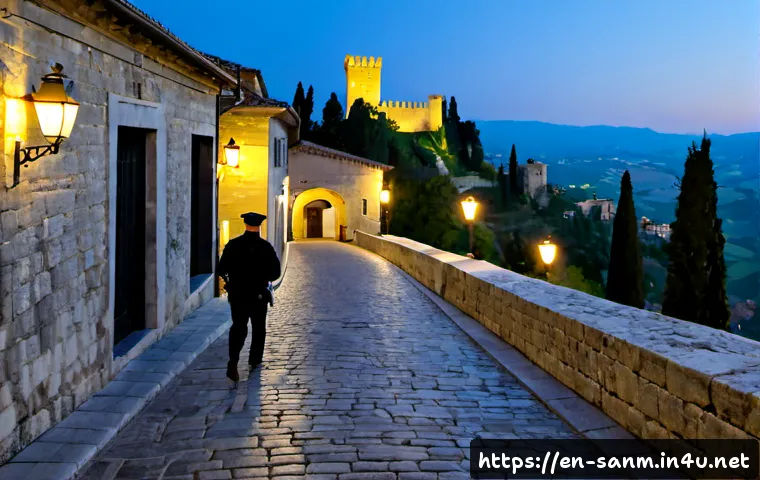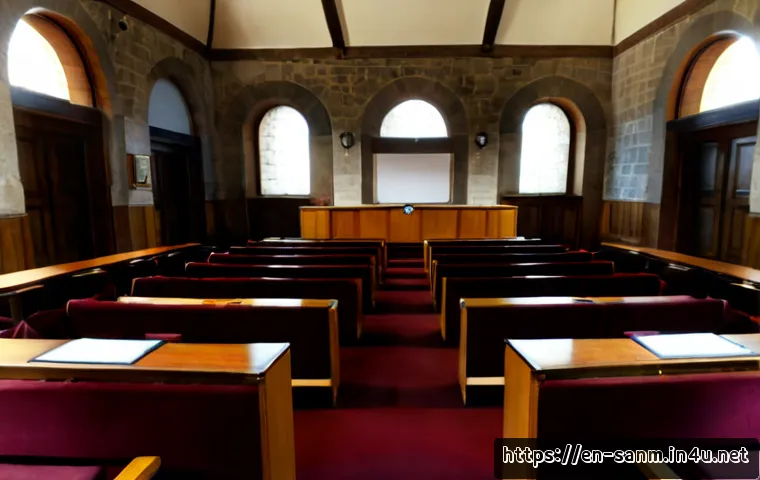
San Marino’s Great and General Council is a unicameral parliament with 60 members elected for five-year terms through proportional representation. It makes laws, oversees government activity, appoints key institutions, and elects the two Captains Regent for six-month joint terms.
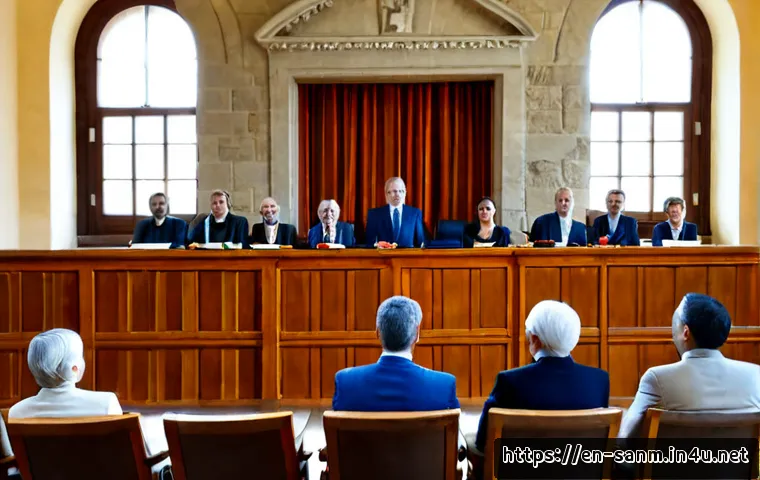
For students and travelers, the main point is to separate the Council from the executive Congress of State and from the Captains Regent, who serve as joint heads of state.
This distinction makes parliamentary research much easier. Historical sources are useful for understanding the structure, while current official materials are necessary for officeholders, coalitions, schedules, and visitor access.
If you are planning an educational visit, check language options and entry conditions before building an itinerary.
At a Glance
- The Great and General Council is San Marino’s unicameral parliament and has 60 members.
- Council members are elected through proportional representation for five-year terms.
- The Council elects the two Captains Regent, who serve together as heads of state for six months.
| Institution | Main Role | Selection Method | Term Length |
|---|---|---|---|
| Great and General Council | Legislation, budget-related decisions, appointments, and oversight | Members are elected through proportional representation | Five years for Council members |
| Captains Regent | Joint heads of state | Elected by the Great and General Council | Six months |
| Congress of State | Executive functions | Includes Secretaries of State chosen through the parliamentary system | Check current institutional information |
The Quick Answer: San Marino’s 60-Member Legislative Body
What the Great and General Council Does
The Great and General Council is the central legislative institution in San Marino. It holds legislative authority, considers budget-related decisions, makes institutional appointments, and oversees government activity. In practical terms, it is the body to study first when you want to understand how political decisions are formally connected in the republic.
The Council is not simply a debating chamber. Its role also reaches into the selection of important state institutions, including the Captains Regent. That combination of lawmaking, oversight, and appointments gives the Council a particularly important place in San Marino’s constitutional structure.
Why the Council Matters in a Very Small Republic
San Marino is a small republic, but its institutional system still separates legislative, executive, and head-of-state functions. The Council is where elected representation is concentrated. The Captains Regent provide a joint head-of-state role, while the Congress of State performs executive functions.
A common research mistake is to treat these institutions as interchangeable. They are connected through the parliamentary system, but they do not perform the same job. For a school project, civic comparison, or educational travel plan, start by identifying who makes laws, who carries out executive work, and who holds the head-of-state office.
The Main Institutions at a Glance
Great and General Council vs. Captains Regent vs. Congress of State
The Great and General Council is the legislature. Its 60 elected members participate in parliamentary work and play a central role in legislation, oversight, and appointments. The Council elects the Captains Regent, San Marino’s two joint heads of state.
The Captains Regent serve together rather than as a single president. Their six-month terms reflect San Marino’s long-standing power-sharing tradition. This arrangement is one reason San Marino is often discussed in comparative studies of microstates and parliamentary systems.
The Congress of State performs executive functions. It includes Secretaries of State chosen through the parliamentary system. When reading a current-affairs report, check whether it is discussing the Council’s legislative role, the Captains Regent’s head-of-state role, or executive activity within the Congress of State.
Comparison Table: Role, Selection Method, and Term Length
A typical parliamentary republic may have a legislature, an executive government, and a head of state, but San Marino’s arrangement has a distinctive feature: two Captains Regent serving jointly for six months. The Council’s elected membership and appointment role form the link between these institutions.
For comparison research, avoid assuming that labels used in larger parliamentary states have identical meanings in San Marino. A “government,” “parliament,” and “head of state” can be related without being the same institution.
Elections, Representation, and Political Decision-Making
How Council Members Are Elected
Members of the Great and General Council are elected for five-year terms through proportional representation. This means that representation in the Council is connected to electoral support in a way that differs from systems based only on single-member districts.
For readers comparing electoral systems, the useful question is not only who wins an election, but how representation is distributed within the 60-member Council. A reliable parliamentary research resource should explain the current electoral context clearly and distinguish enduring institutional rules from current political outcomes.
Five-Year Terms and Proportional Representation
The five-year Council term provides the basic electoral cycle for the legislature. Proportional representation is the key feature to note when comparing San Marino with other parliamentary models. It helps explain why parliamentary composition matters to legislative work, government oversight, and appointments.
Do not rely on an undated chart for current political composition. Party representation, coalitions, and officeholders require up-to-date confirmation. Historical background can explain the framework, but it cannot confirm the present membership of the Council.
How Coalition Politics Can Affect Governing Decisions
In a parliamentary setting, cooperation among political groups can affect how governing decisions are organized. However, the specific coalition situation at any given time should be checked through current parliamentary or institutional materials rather than assumed from older summaries.
This is especially important for civic researchers. A good current-affairs source may help explain recent developments, while an academic reference may be better for the underlying institutional design. Use each source for the question it is equipped to answer.
How Laws and Government Appointments Move Through the System
Legislative Debate, Voting, and Institutional Oversight
The Council’s work includes legislation, budget-related decisions, institutional appointments, and oversight of government activity. These responsibilities make it more than a symbolic assembly. It is the main legislative forum within San Marino’s political system.
Exact committee assignments, meeting schedules, and procedural rules can change. If your research depends on a specific vote, a current agenda, or a committee process, consult current official parliamentary materials rather than relying only on a general overview.
Selecting the Captains Regent and Executive Officials
The Council elects the Captains Regent for six-month terms. Because there are two Captains Regent serving together, the office is based on a shared head-of-state model rather than a single-person presidency.

The Congress of State carries out executive functions and includes Secretaries of State chosen through the parliamentary system. This relationship is why it is useful to view San Marino as an interconnected parliamentary structure: the Council is central to representation and appointments, while executive functions are performed through the Congress of State.
Common Mistakes When Describing San Marino as a Standard Presidency
It is inaccurate to describe San Marino as if it had one independently elected president who combines all major political functions. The Captains Regent are joint heads of state elected by the Council, and their term is six months.
Another mistake is to call the Council “the government.” The Council is the legislature. The Congress of State performs executive functions. Using precise terms improves both academic writing and visitor interpretation during a civic tour.
Researching or Visiting San Marino’s Political Institutions
What to Verify in Current Parliamentary Information
Use current official parliamentary information when you need the names of officeholders, the Council’s present composition, active committees, meeting schedules, or procedural details. These points can change and should not be inferred from historical materials.
For a research project, check the publication date, institutional source, language availability, and whether the material addresses historical structure or current activity. A source can be reliable for one purpose and incomplete for another.
Choosing Between Academic References, Current Affairs Coverage, and Guided Civic Tours
Academic references are useful for explaining the Council’s structure, proportional representation, and the shared role of the Captains Regent. Current-affairs coverage is more useful when the question concerns current officeholders, parliamentary developments, or political cooperation.
A guided civic tour may be valuable for travelers who want institutional context while visiting San Marino. Before choosing a tour or educational travel resource, look for clear language access, an explanation of what buildings or institutions are covered, and whether information is updated for current visitor conditions.
Practical Considerations for Educational Travelers
Visitor access to parliamentary buildings, guided-tour availability, and entry requirements may vary by season and security arrangements. Confirm access directly through current official visitor guidance or a tour provider’s detailed conditions before finalizing plans.
For a meaningful visit, prepare a short list of questions: Is the focus architecture, history, or civic education? Is the tour offered in a language you can follow? Does the information distinguish the Council, the Captains Regent, and the Congress of State? These details help you choose an experience that matches your educational goal.
Selection Criteria and Comparison Summary
Choose a research source or guided civic tour based on current institutional updates, language access, and educational depth.
- Use historical or academic material for the Council’s 60-member structure, five-year terms, and proportional representation.
- Use current official material for officeholders, coalitions, schedules, committee work, and procedural details.
- Choose civic travel information that clearly states visitor access, language options, and what the visit includes.
- Check whether a source separates the legislature, executive functions, and joint head-of-state role.
- For guided civic tours or educational travel resources, review the official details and current conditions on the relevant page.
In Closing
San Marino’s political structure becomes clearer once the three main institutions are separated. The Great and General Council is the 60-member legislature, the Captains Regent are jointly elected heads of state, and the Congress of State performs executive functions. For historical understanding, broad institutional sources are helpful. For present-day political details or travel access, current confirmation matters most.
Useful Things to Know
Five years: the term length for elected Council members.
Six months: the term length for the two Captains Regent.
Two heads of state: San Marino has two Captains Regent serving together.
One legislature: the Great and General Council is unicameral.
Important Notes
Current officeholders, party coalitions, the composition of the Congress of State, committee assignments, meeting schedules, and visitor arrangements may change. Confirm these details through current official parliamentary or visitor materials. General institutional background should not be treated as proof of present-day political or travel conditions.
Frequently Asked Questions
Q1. How many members are in San Marino’s Great and General Council?
A1. The Great and General Council has 60 members. They are elected for five-year terms through proportional representation.
Q2. Is the Great and General Council the same as San Marino’s government?
A2. No. The Great and General Council is San Marino’s legislature. The Congress of State performs executive functions, while the Captains Regent serve jointly as heads of state.
Q3. Can visitors tour San Marino’s parliamentary buildings or book a guided civic tour?
A3. Visitor access, guided-tour availability, and entry requirements may vary by season and security arrangements. Check current official visitor information or the detailed conditions of a guided civic tour before making plans.