
San Marino is generally considered a calm destination, but travelers should still plan for pickpocketing, steep streets, weather disruption, transport connections through Italy, and appropriate travel insurance coverage.
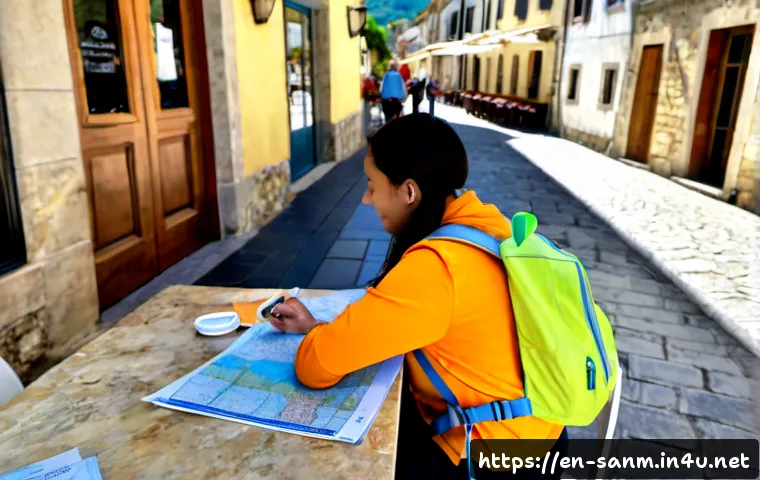
San Marino is commonly approached as a low-key destination, but visitors should still use normal travel precautions. The most practical concerns are protecting valuables, handling steep historic-center streets, preparing for changing weather, and arranging dependable connections through Italy.
Travel insurance can be worth comparing when a trip includes medical needs, cancellations, lost belongings, or disrupted onward transport. Your best transport choice depends less on one “safest” option and more on luggage, driving confidence, arrival time, and mobility needs.
A well-located hotel, secure mobile connectivity, and a realistic transfer plan can make an independent visit much easier. Check current local notices, road conditions, and provider terms shortly before departure.
At a Glance
- Plan insurance carefully: review medical, theft, cancellation, and cross-border itinerary terms before purchasing.
- Keep belongings secure: use normal anti-theft habits in viewpoints, transport connections, and busy visitor areas.
- Arrange reliable onward transport: allow time for connections through Italy, especially when carrying luggage or arriving late.
| Option | Best Fit | Typical Cost Factors | Safety and Planning Considerations |
|---|---|---|---|
| Public transport connection | Travelers prioritizing a lower-cost, simpler itinerary | Tickets, connection timing, baggage handling, and possible overnight stays | Check schedules, walking distance, weather, and how easily you can manage luggage between stops. |
| Rental car | Visitors who are comfortable driving and want flexibility beyond the historic center | Rental terms, fuel, parking, insurance options, and route planning | Review parking access, road conditions, and whether steep or narrow approaches suit your driving confidence. |
| Private transfer | Travelers with heavy luggage, evening arrivals, children, or limited mobility | Vehicle type, pickup point, waiting time, luggage allowance, and cancellation terms | Confirm the pickup instructions, operator details, accessible vehicle needs, and the exact drop-off route to your accommodation. |
What Travelers Should Know Before Visiting San Marino
The Practical Safety Picture: A Low-Key Destination, Normal Travel Precautions
San Marino can suit travelers looking for a compact historic destination, but it should not be treated as risk-free simply because it may feel quieter than a major city. The sensible approach is straightforward: stay aware of your surroundings, protect your passport and payment cards, and avoid building an itinerary that depends on tight transport connections.
Practical planning matters more than dramatic safety claims. For many visitors, the bigger problems are logistical: arriving with luggage, finding a hotel on a steep route, walking in poor weather, or missing a connection through Italy. Check current local information close to your travel date rather than relying on general impressions.
The Risks Most Visitors Are More Likely to Encounter
Petty theft, misplaced belongings, slippery stone surfaces, fatigue on hills and stairs, weather-related visibility issues, and transport disruption are realistic issues to plan around. These are not reasons to avoid the destination. They are reasons to carry less, wear suitable shoes, leave extra time, and keep important documents in a secure place.
A visitor who brings only what is needed for the day, uses a zipped bag, and saves accommodation and transport details offline is usually better prepared than someone who focuses only on crime headlines.
Three Actions to Take Before Arrival
First, compare travel insurance coverage rather than assuming every policy handles the same risks. Second, confirm how you will reach your accommodation from your arrival point, including the final walking section. Third, set up a dependable international SIM or eSIM plan so you can access maps, booking details, and transport updates without relying entirely on public Wi-Fi.
Personal Safety Risks: Theft, Crowds, Streets, and Weather
Keeping Valuables Secure in Busy Viewpoints and Tourist Areas
Busy viewpoints, entrances, cafés, and transport stops are places where a phone, wallet, or small bag can be forgotten or become easier to target. Keep your bag closed and positioned where you can see it. Avoid leaving a phone on an outdoor table, placing a wallet in an open pocket, or handing all cards and documents to one travel companion.
Split essential items. Keep a backup payment method separately from your main wallet, and store passport details and reservation confirmations securely on your device. If you use a daypack, choose one with secure closures and do not place valuables in an outer pocket.
Navigating Stone Paths, Stairs, Hills, and Night Walking
The historic setting can involve uneven surfaces, steps, gradients, and routes that feel more demanding with a suitcase or stroller. Before booking accommodation, look beyond the neighborhood name. Check whether the entrance involves stairs, whether vehicles can approach nearby, and whether the route from parking or a drop-off point is manageable.
After dark, use well-lit and familiar routes where possible. If your arrival is late, confirm the hotel check-in process and ask how close a taxi or private transfer can bring you to the entrance. Do not assume that a short map distance means an easy walk.
Rain, Heat, Fog, and Footwear Mistakes to Avoid
Weather can change how comfortable and safe walking feels. Rain may make smooth stone paths slippery, heat can make uphill routes tiring, and fog or low visibility can complicate navigation and driving. Footwear with stable grip is more useful than shoes chosen only for appearance.
Carry water when conditions are warm, keep a light rain layer available when appropriate, and reduce unnecessary walking with heavy bags. If weather affects your plans, adjust rather than rushing through unfamiliar streets to keep a booking or connection.
Transport and Accommodation: Comparing Safer Travel Choices
Public Transport Connections Through Italy: Timing and Luggage Considerations
Public transport can be a sensible choice for travelers who want to control costs and are comfortable managing connections. The key is not to schedule every segment too tightly. Allow room for delays, platform changes, walking between stops, and the practical effort of moving luggage.
Before booking, check the current timetable, the final connection of the day, and the route from the arrival stop to your hotel. If a missed connection would affect a prepaid stay or onward flight, review whether your trip interruption or cancellation coverage could apply and under what conditions.
Rental Car Versus Private Transfer: Convenience, Parking, and Driving Confidence
A rental car can give flexibility for travelers combining San Marino with other parts of Italy. It may be less appealing if you do not enjoy unfamiliar roads, need to navigate parking logistics, or plan to stay mainly within walkable historic areas. Review rental insurance options, parking arrangements, and the driving route before committing.
A private transfer may be easier to justify when the itinerary includes a late arrival, several bags, young children, or mobility concerns. It is not automatically the better value for every traveler, but it can reduce the number of decisions required after a long journey. When comparing providers, look for clear pickup instructions, luggage terms, cancellation conditions, and a confirmed drop-off location.
How to Assess a Hotel’s Location, Access Route, and Cancellation Terms
Secure accommodation is not only about a door lock or reception desk. It is also about whether you can reach the property comfortably and whether its terms match your travel risk. Read the access description, check whether stairs are involved, and confirm if parking, taxi access, or luggage assistance is available.
For flexible travel planning, inspect the cancellation deadline, payment timing, and what happens if transport disruption affects your arrival. The official booking page or provider’s detailed terms are the best place to confirm these conditions before you pay.
Insurance, Payments, and Digital Security
What to Check in Travel Medical and Trip-Cancellation Coverage
Travel insurance policies differ widely. Review whether a policy addresses medical care, personal belongings, trip cancellation, trip interruption, and travel delays. Also read exclusions, claims steps, documentation requirements, and any limits that could matter for your own itinerary.
Insurance is not a promise that every expense will be paid. It is a product with conditions. If a specific concern matters to you—such as a pre-booked transfer, a medical need, or lost equipment—ask the insurer or review the policy wording before purchase.

Confirming Coverage for Italy and San Marino Within One Itinerary
Many visitors enter through Italy or combine both places in one trip. Do not assume a policy automatically treats every part of a multi-country itinerary the same way. Confirm that the destination area listed on the policy fits your route and that transport between Italy and San Marino does not create an unexpected gap in coverage.
Keep the insurer’s emergency contact process, policy number, and claims instructions accessible offline. This saves time if your phone battery, mobile data, or hotel Wi-Fi is unavailable.
Card Use, Cash Backup, ATM Awareness, and Secure Mobile Connectivity
Use payment cards with ordinary travel security habits: enable transaction alerts, protect your PIN, and check the amount before confirming payment. A modest cash backup can be useful, but carrying all of your travel funds in one place creates unnecessary risk.
Use ATMs thoughtfully and avoid handling large amounts of cash in crowded places. For connectivity, compare an international eSIM or SIM plan based on coverage, data needs, device compatibility, and activation instructions. Secure mobile data can be especially helpful for route changes, hotel contact, and transport booking confirmations.
Safety Tips by Travel Situation
Solo Travelers and Evening Arrivals
Solo travelers can reduce stress by arriving with a complete final-leg plan: saved hotel details, a charged phone, a backup battery, and a confirmed transport option if walking is not suitable. Tell a trusted contact your arrival plan and avoid sharing unnecessary personal information with strangers.
If you arrive in the evening, prioritize a clear route over a rushed or improvised one. Confirm the accommodation’s check-in process in advance and keep valuables close while moving between transport and lodging.
Families With Children and Visitors Using Strollers
Families should consider routes, steps, bathroom access, weather exposure, and breaks—not just sightseeing time. A stroller-friendly journey may require selecting accommodation with easier access or using a transfer that reduces uphill walking with bags.
Keep children close in busy areas, agree on a simple meeting point, and avoid relying on a tight schedule. A slower route can be the safer and more enjoyable one when surfaces are uneven or conditions are wet.
Older Travelers or Anyone Concerned About Steep Routes and Mobility
Travelers with limited mobility, balance concerns, or reduced stamina should place accessibility and final-mile transport above a central-looking map pin. Contact the accommodation directly if you need confirmation about stairs, lifts, nearby vehicle access, or the walking route from a drop-off point.
Plan shorter walking segments, avoid carrying heavy luggage uphill, and keep weather in mind. A private transfer or carefully chosen lodging location may provide more practical value than the lowest advertised room rate.
Drivers Entering From Italy and Managing Parking Logistics
Drivers should check current route conditions, parking instructions, and the route from parking to their accommodation. Do not depend on old travel posts for access details, as road rules, works, and parking arrangements may change.
Before leaving, save the hotel address, parking confirmation, and a backup navigation option. If driving confidence is low, compare the total effort of car rental with a public transport connection or a pre-arranged transfer.
Selection Criteria and Comparison Summary
Choose coverage and transport based on your itinerary, luggage, driving confidence, and cancellation risk. Public transport can be the sensible lower-cost option when your schedule is flexible, your luggage is manageable, and you have checked the connection details. A rental car may fit a wider Italy itinerary if you are comfortable with driving and parking planning. A private transfer can be worth considering for late arrivals, families, heavy bags, or mobility concerns.
Before booking, check these points: insurance territory and exclusions; hotel access and cancellation terms; final transport connection; weather-appropriate footwear; and mobile data access. For travel insurance, eSIM plans, transport, or accommodation, review the detailed coverage, route, access, and cancellation terms on the relevant provider page before choosing.
Final Thoughts
San Marino travel planning is usually less about reacting to extreme danger and more about avoiding preventable travel friction. Secure your belongings, prepare for steep walking routes, and leave time for connections through Italy. The right combination of insurance, accommodation location, and transport can make the trip feel considerably more straightforward. Recheck current local notices and provider terms shortly before departure.
Useful Information to Keep in Mind
Save documents offline: keep copies of reservations, transport details, and insurance contacts on your phone. Pack for the route: stable footwear and a lighter bag can matter more than expected. Check the final mile: the route from a stop or parking area to your hotel may be the most demanding part of the day. Keep plans flexible: weather and transport changes can affect a tightly timed itinerary.
Important Notes
This guide provides general travel-planning information, not real-time security, legal, medical, road, or insurance advice. Crime patterns, official notices, transport schedules, road conditions, accessibility, and provider standards can change. Confirm current information with official local sources, your accommodation, transport provider, rental company, and insurance provider before making decisions.
Frequently Asked Questions
Q1. Is San Marino safe for solo travelers?
A1. Solo travelers can use the same sensible precautions they would use in other visitor destinations: keep valuables secure, plan the final transport connection, use well-lit and familiar walking routes after dark, and confirm accommodation access before arrival. Check current local guidance close to your trip.
Q2. Do I need travel insurance for a trip to San Marino and Italy?
A2. Whether insurance is right for you depends on your health needs, prepaid costs, cancellation risk, belongings, and itinerary. If you buy a policy, confirm that its medical, theft, cancellation, and trip-interruption terms apply across both Italy and San Marino as relevant to your route.
Q3. Is it better to rent a car or book a private transfer when visiting San Marino?
A3. A rental car may suit travelers who want flexibility and are confident with driving, parking, and route planning. A private transfer may be more convenient for late arrivals, heavy luggage, families, or mobility concerns. Compare the full terms, pickup or parking details, and cancellation conditions instead of choosing on headline price alone.