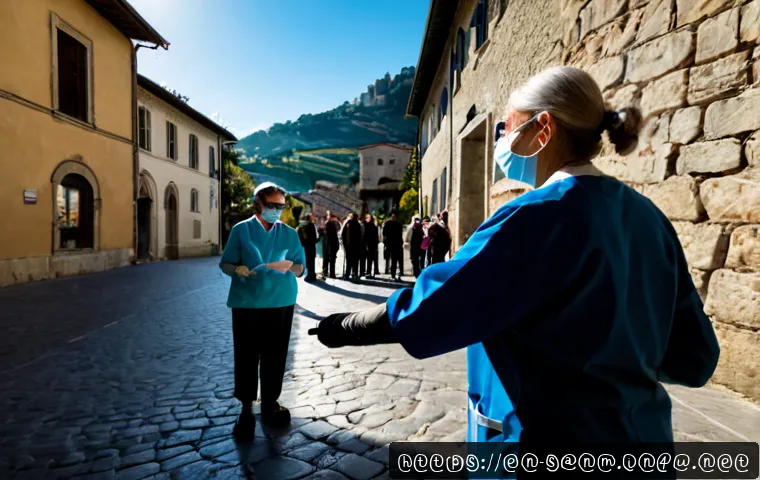
San Marino’s COVID-19 response relied on changing public-health restrictions, hospital-capacity planning, vaccination, and close coordination with surrounding Italy.
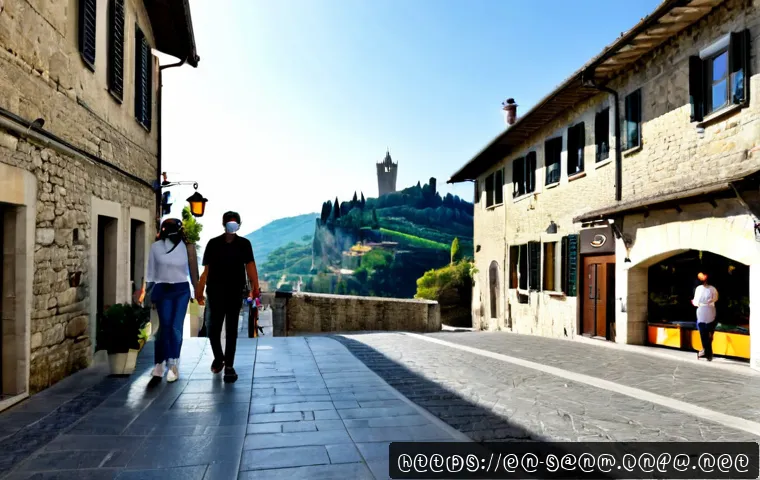
Its position as a small, landlocked state meant that border access, transport, supplies, and healthcare decisions could not be separated from regional conditions.
For travelers, the most useful lesson is not to rely on archived pandemic rules. Instead, verify current entry guidance and review travel insurance terms for medical care, cancellation, quarantine-related disruption, and emergency assistance.
These checks can be especially relevant when visiting a small destination with limited healthcare capacity. The historical response also offers a clear example of why cross-border planning matters in public health.
At a Glance
- San Marino responded with evolving restrictions on movement, gatherings, distancing, and public services during the pandemic.
- The State Hospital of San Marino in Cailungo was central to clinical care, while limited capacity made surge planning important.
- Because San Marino is surrounded by Italy, cross-border coordination shaped practical health, transport, and travel considerations.
| Decision Area | What Defined the Response | What Travelers Should Check Now |
|---|---|---|
| Public-health rules | Movement limits, gathering restrictions, distancing measures, and changing public-service arrangements. | Current official entry and health guidance, rather than older pandemic notices. |
| Healthcare capacity | A small healthcare system, with the State Hospital in Cailungo playing a central role. | Medical treatment coverage, emergency assistance, and the insurer’s support process. |
| Vaccination | Vaccination became part of the later control strategy, including use of the Sputnik V vaccine. | Any current documentation requirements should be verified before departure. |
| Border dependence | San Marino’s surrounding Italian territory made regional coordination essential. | Consider the full route, including transit and cross-border travel arrangements. |
What Defined San Marino’s COVID-19 Response?
San Marino’s response was shaped by three connected realities: early pandemic pressure in Europe, a healthcare system with more limited capacity than larger countries, and complete geographic dependence on access through Italy. The country reported COVID-19 cases during the early European outbreak in 2020 and adjusted public-health measures as conditions evolved. These measures included restrictions on movement, limits on gatherings, distancing practices, and changes to public services.
The important point is that the response was not only about rules inside San Marino. Healthcare access, supplies, mobility, and regional risk were closely connected to the surrounding Italian environment. Historical measures should therefore be read as a changing response to conditions at the time, not as a permanent travel rulebook.
Three-point summary: early restrictions, healthcare pressure, and coordination with Italy
First, restrictions aimed to reduce close contact and unnecessary movement. Second, the country had to manage clinical demand carefully because a microstate does not have the same reserve capacity as a large national health system. Third, coordination beyond its borders mattered because every overland journey to or from San Marino involves Italy.
Why a microstate faced different operational challenges from larger countries
A smaller destination can make decisions quickly, but it may have fewer options when demand rises. Surge planning and external cooperation become particularly important where hospital capacity is limited. For visitors, this does not mean assuming a problem will occur; it means planning responsibly. Keep accessible copies of insurance details, emergency-assistance contacts, and any required travel documents.
Timeline of Key Measures and Public-Health Priorities
San Marino’s pandemic response changed over time rather than following one fixed model. A useful way to understand it is to look at three phases: early containment, clinical capacity management, and vaccination as part of the later strategy. Exact rules, testing arrangements, and certificate requirements varied, so date-specific claims require official historical context.
Early containment and limits on movement and gatherings
During the pandemic, San Marino used measures that included limits on movement and gatherings, distancing requirements, and adjustments to public services. Such tools are common ways of reducing contact when an infectious disease is spreading. Their practical meaning can change quickly, however, so an archived notice should never be treated as a current entry requirement.
Healthcare response and hospital-capacity considerations
The State Hospital of San Marino in Cailungo was central to the clinical response. Limited capacity compared with larger countries increased the value of planning for periods of higher demand and cooperating externally when needed. For a traveler, the practical question is not to predict care needs, but to understand what a travel insurance policy says about treatment, emergency medical assistance, and medical evacuation if it becomes necessary.
Vaccination as the pandemic response evolved
Vaccination became part of San Marino’s later pandemic-control strategy. The country used the Sputnik V vaccine, alongside its broader public-health approach. This is a historical point, not evidence of a present-day certificate rule. Anyone making a travel decision should confirm what documents, if any, are currently relevant to their route and situation.
San Marino and Italy: The Cross-Border Factor
San Marino is surrounded by Italy, so it cannot be understood as a fully separate travel corridor. The border context influenced the practical side of pandemic response: movement, transport, supplies, and access to the wider region all depended on cross-border realities. This made coordination more important than it might be for a country with multiple independent international gateways.
Daily mobility, supply access, and shared regional health realities
Cross-border connections matter even when a visitor intends to stay only in San Marino. The journey itself normally involves Italy, and regional conditions can affect planning. This is why a traveler should review the entire itinerary rather than checking one destination in isolation. It is also sensible to keep accommodation contacts, transport details, and insurance documentation available during the trip.
Why national rules could not be viewed in isolation
During a fast-changing public-health event, rules in one place may be affected by transport links and neighboring jurisdictions. Border-entry planning should therefore include transit points, onward travel, and the possibility of changed procedures. Older COVID-19 guidance can be useful for research, but it is not a substitute for current official information.
What Travelers and Residents Should Learn From the Response
The main lesson is straightforward: treat public-health and travel information as time-sensitive. San Marino’s experience shows why health guidance, travel documentation, and medical contingency planning deserve separate checks. A booking confirmation alone does not answer questions about entry rules, treatment arrangements, or trip interruption.
Confirming current entry, testing, and health guidance rather than relying on archived rules
Before departure, confirm current requirements through relevant official channels. Check whether any entry, testing, vaccination, masking, isolation, or certificate arrangements apply to your specific route. Do not assume that a rule from a prior phase of the pandemic remains active, and do not assume that an old exemption still applies.

Travel insurance, medical assistance, and cancellation coverage checkpoints
Travel insurance can be worth comparing when your trip involves non-refundable bookings, health concerns, or a complicated cross-border itinerary. Review the policy wording for medical treatment, emergency assistance, trip cancellation, and disruption related to quarantine or illness. Coverage varies by policy and traveler, so it is important to read exclusions, limits, definitions, and claim procedures before purchase.
Common planning mistakes when visiting a small, border-dependent destination
One mistake is checking only San Marino while overlooking the Italian travel route. Another is assuming that all policies cover pandemic-related cancellation or treatment in the same way. A third is storing vital documents only on a phone without a backup. A simple contingency plan should include policy details, assistance contacts, transport alternatives, and a clear understanding of what expenses may remain your responsibility.
Choosing Coverage and Comparing Travel-Planning Options
There is no single best travel insurance policy for every visitor. The right comparison depends on trip length, prepaid costs, existing health needs, planned activities, and how easily you could handle a disrupted return journey. Focus on the actual terms instead of buying based on a broad label such as “COVID coverage.”
Comparing medical coverage, trip cancellation, quarantine support, and emergency assistance
Start with emergency medical coverage and the process for contacting assistance services. Then compare cancellation terms for prepaid travel, including the events that are covered and excluded. If a policy refers to quarantine support or trip interruption, read the definitions carefully. Emergency assistance may be especially useful to examine for travelers who want help navigating an unexpected medical or transport issue abroad.
When a higher-coverage policy may be worth considering
A broader policy may deserve consideration when you have substantial prepaid bookings, an itinerary involving several travel segments, or concerns about accessing support during an emergency. That is a planning choice, not a guarantee of payment. Check the insurer’s detailed policy page for eligibility, exclusions, assistance procedures, and the documentation required for a claim.
Selection Criteria and Comparison Summary
Before choosing coverage or finalizing plans, use these decision checks:
- Medical care: Does the policy describe overseas treatment and emergency assistance clearly?
- Cancellation terms: Which reasons qualify, and which exclusions apply?
- Cross-border route: Have you checked the requirements affecting travel through Italy as well as San Marino?
- Existing health needs: Are there conditions, exclusions, or disclosure requirements that need review?
- Documentation: Can you quickly access your policy number, assistance contact, bookings, and current official guidance?
For short-stay visitors, the priority may be clear medical assistance and straightforward documentation. For cross-border travelers, route-wide checks matter more. For people with existing health needs, careful review of policy terms is especially important. See the insurer’s policy details and the relevant official travel guidance before making a final decision.
Closing Thoughts
San Marino’s COVID-19 response illustrates the practical pressures faced by a small state during a regional health emergency. Restrictions, hospital planning, vaccination, and coordination with Italy were all part of the picture. The historical record is most useful when it encourages better current planning, not when it is mistaken for live travel advice. Verify present conditions, understand your coverage, and prepare for the full cross-border journey.
Useful Things to Know
1. San Marino is landlocked and surrounded by Italy, so travel planning naturally includes a cross-border element.
2. The State Hospital of San Marino in Cailungo was central to the country’s clinical response.
3. Pandemic rules and documentation arrangements changed over time, making current verification essential.
4. Insurance labels are not enough; the policy wording determines what may or may not be covered.
Important Notes
This article describes broad historical elements of San Marino’s COVID-19 response. It does not establish current entry rules, testing requirements, vaccine requirements, mask rules, isolation procedures, or insurance benefits. Individual insurance coverage can differ based on the policy, traveler details, exclusions, and the circumstances of a claim. Always confirm current official guidance and read the full policy terms before travel.
Frequently Asked Questions
Q1. How did San Marino manage COVID-19 despite being surrounded by Italy?
A1. San Marino used evolving public-health measures, managed healthcare capacity through its clinical system centered on the State Hospital in Cailungo, and relied on close practical coordination with Italy. Its location made cross-border conditions important for transport, supplies, and wider health planning.
Q2. Did San Marino use different COVID-19 vaccines from nearby European countries?
A2. San Marino used vaccination as part of its later pandemic-control strategy, including the Sputnik V vaccine. This historical fact should not be treated as proof of any current vaccination or documentation requirement.
Q3. Is travel insurance with COVID-19 medical coverage worth considering for a trip to San Marino?
A3. It may be worth considering if you want protection for eligible medical expenses, emergency assistance, cancellation, or travel disruption. Check the policy’s exact terms, exclusions, coverage limits, and claim requirements, because pandemic-related coverage is not identical across policies.